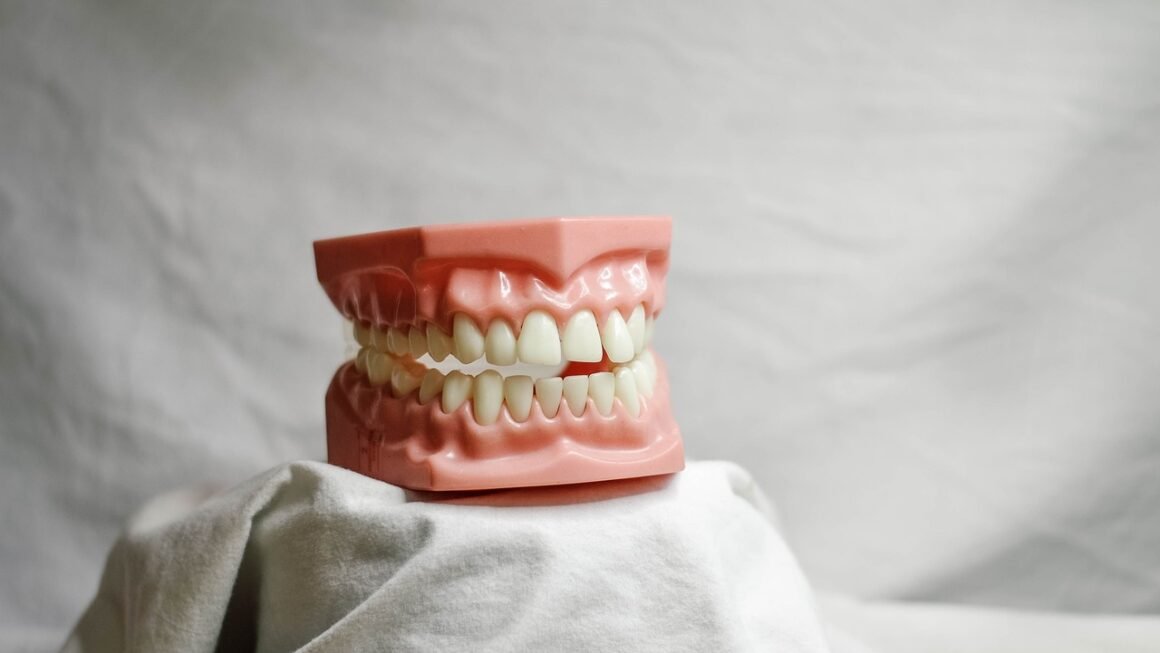
Dental hygiene education isn’t just about achieving a sparkling smile; it’s about empowering individuals with the knowledge and skills to maintain optimal oral health and overall well-being. A proactive approach to dental hygiene can prevent a myriad of problems, from simple cavities to serious gum disease, ultimately leading to a healthier and happier life. This guide delves into the essential aspects of dental hygiene education, providing practical tips and insights to help you take control of your oral health.
The Importance of Dental Hygiene Education
Understanding the Oral-Systemic Link
Dental hygiene education emphasizes the crucial connection between oral health and overall health. Research shows that poor oral hygiene can contribute to various systemic diseases, including:
- Cardiovascular disease: Bacteria from gum disease can enter the bloodstream and contribute to the development of plaque in arteries, increasing the risk of heart attack and stroke.
- Diabetes: Gum disease can make it harder to control blood sugar levels, and diabetes can worsen gum disease. This creates a vicious cycle.
- Respiratory infections: Bacteria from the mouth can be inhaled into the lungs, leading to pneumonia and other respiratory infections, especially in individuals with weakened immune systems.
- Pregnancy complications: Gum disease has been linked to premature birth and low birth weight babies.
- Actionable Takeaway: Understanding the oral-systemic link is the first step in appreciating the importance of proper dental hygiene. Prioritize your oral health for the sake of your overall well-being.
Prevention is Better Than Cure
Investing in dental hygiene education empowers you to prevent oral health problems before they arise. This proactive approach offers numerous benefits:
- Reduced need for costly dental treatments: Preventing cavities and gum disease saves you money on fillings, root canals, and other expensive procedures.
- Improved quality of life: A healthy mouth allows you to eat, speak, and smile with confidence, enhancing your overall quality of life.
- Enhanced self-esteem: A bright, healthy smile can boost your self-esteem and confidence in social situations.
- Example: Learning the proper brushing and flossing techniques can significantly reduce your risk of developing cavities and gum disease, saving you time, money, and discomfort in the long run.
Essential Dental Hygiene Practices
Mastering the Art of Brushing
Brushing your teeth correctly is a cornerstone of dental hygiene. Here are some key points:
- Use the right toothbrush: Choose a soft-bristled toothbrush to avoid damaging your gums and tooth enamel. Electric toothbrushes can be particularly effective at removing plaque and bacteria.
- Proper brushing technique: Use gentle, circular motions to clean all surfaces of your teeth, including the front, back, and chewing surfaces. Angle the brush towards the gumline to effectively remove plaque.
- Brushing duration: Brush for at least two minutes, twice a day. Many electric toothbrushes have built-in timers to ensure you brush for the recommended duration.
- Toothpaste selection: Choose a fluoride toothpaste to strengthen your tooth enamel and protect against cavities. Consider toothpastes designed for specific needs, such as sensitivity or whitening.
- Practical Tip: Divide your mouth into quadrants and spend 30 seconds brushing each section to ensure you cover all areas effectively.
The Power of Flossing
Flossing removes plaque and food particles from between your teeth, where your toothbrush can’t reach.
- Choose the right floss: There are various types of floss available, including waxed, unwaxed, and floss picks. Experiment to find the type that works best for you.
- Proper flossing technique: Use a gentle sawing motion to guide the floss between your teeth. Curve the floss around each tooth and slide it up and down to remove plaque and debris.
- Flossing frequency: Floss at least once a day, preferably before bedtime.
- Alternative interdental cleaners: If you have difficulty using traditional floss, consider using interdental brushes or water flossers.
- Example: Imagine tiny food particles trapped between your teeth. Flossing removes these particles, preventing bacteria from feeding on them and producing acids that cause cavities.
The Role of Mouthwash
Mouthwash can complement brushing and flossing by killing bacteria, freshening breath, and helping to prevent plaque buildup.
- Choose the right mouthwash: Look for mouthwashes that contain fluoride to strengthen tooth enamel. Antiseptic mouthwashes can help kill bacteria and reduce plaque.
- Use mouthwash correctly: Rinse your mouth with mouthwash for 30 seconds after brushing and flossing. Avoid eating or drinking for 30 minutes after using mouthwash.
- Caution: Some mouthwashes contain alcohol, which can dry out your mouth. Consider using an alcohol-free mouthwash, especially if you have dry mouth.
Dietary Considerations for Oral Health
Sugary Foods and Drinks: The Enemy of Teeth
Sugary foods and drinks are a major contributor to tooth decay. Bacteria in your mouth feed on sugar, producing acids that erode tooth enamel.
- Limit sugary snacks and drinks: Reduce your consumption of sugary snacks, such as candy, cookies, and cakes. Limit your intake of sugary drinks, such as soda, juice, and sports drinks.
- Choose healthy alternatives: Opt for healthy snacks, such as fruits, vegetables, and nuts. Drink water instead of sugary beverages.
- Example: Snacking on an apple instead of a candy bar not only provides nutrients but also helps to clean your teeth naturally.
Foods That Promote Oral Health
Certain foods can actually promote oral health.
- Crunchy fruits and vegetables: Apples, carrots, and celery help to clean your teeth and stimulate saliva production, which neutralizes acids.
- Dairy products: Cheese and yogurt contain calcium and phosphorus, which strengthen tooth enamel.
- Water: Drinking plenty of water helps to rinse away food particles and bacteria.
- Practical Tip: After eating a sugary snack or meal, rinse your mouth with water to help neutralize acids and prevent tooth decay.
Regular Dental Check-ups and Cleanings
The Importance of Professional Care
Even with excellent home care, it’s essential to visit your dentist regularly for check-ups and cleanings.
- Early detection of problems: Dentists can detect early signs of cavities, gum disease, and other oral health problems before they become more serious.
- Professional cleaning: Dental hygienists can remove plaque and tartar buildup that you can’t remove at home.
- Personalized advice: Your dentist can provide personalized advice on how to improve your oral hygiene based on your individual needs.
- Recommendation: Schedule dental check-ups and cleanings at least twice a year.
What to Expect During a Dental Visit
A typical dental visit includes:
- Examination: Your dentist will examine your teeth and gums for signs of problems.
- Cleaning: A dental hygienist will clean your teeth, removing plaque and tartar.
- X-rays: X-rays may be taken to detect problems that are not visible during a visual examination.
- Consultation: Your dentist will discuss any findings with you and recommend any necessary treatment.
- Preparation Tip:* Make a list of any questions or concerns you have about your oral health and bring it with you to your dental appointment.
Conclusion
Dental hygiene education is an ongoing process that empowers individuals to take control of their oral health and overall well-being. By understanding the importance of proper brushing, flossing, dietary choices, and regular dental visits, you can significantly reduce your risk of developing oral health problems and enjoy a healthy, confident smile for years to come. Remember, a healthy mouth contributes to a healthy body and a happier life. Make dental hygiene a priority, and your smile will thank you.