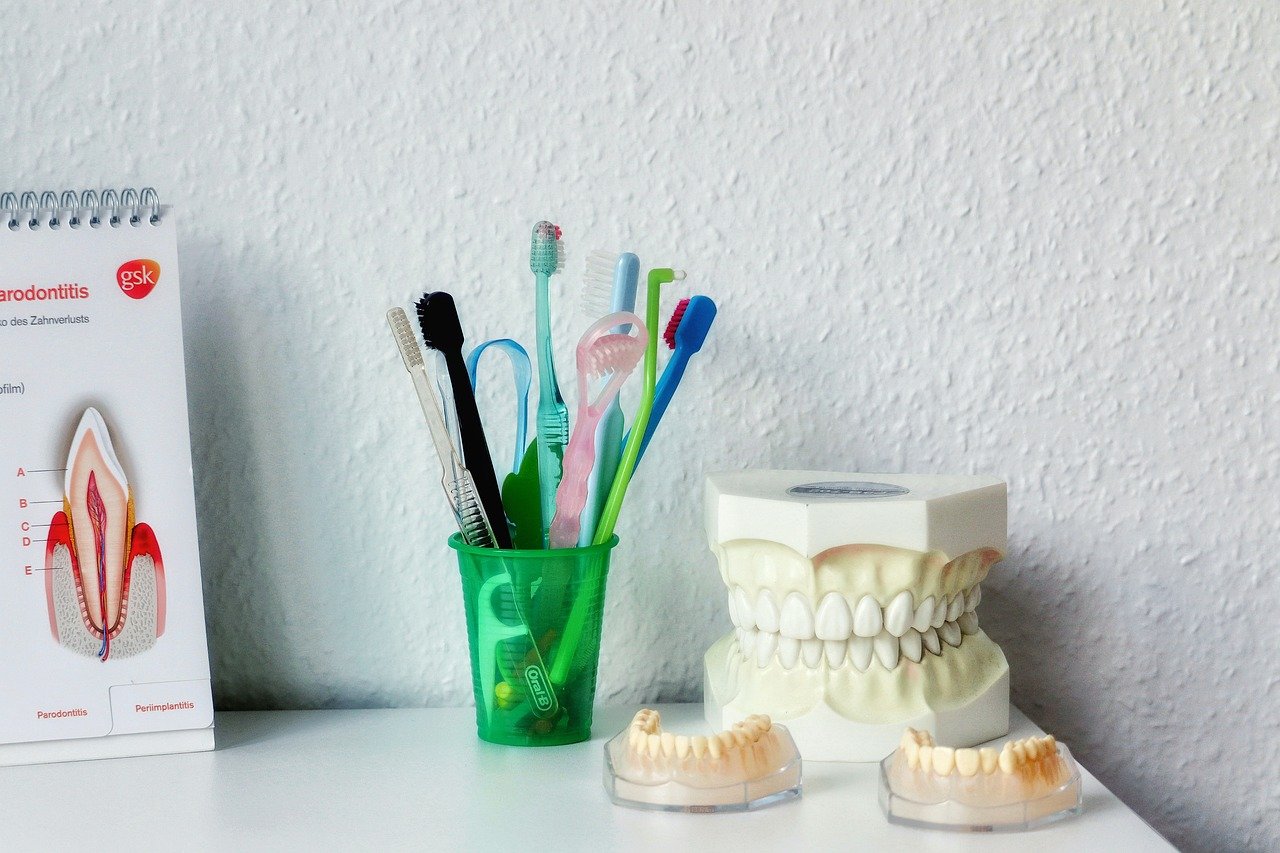
A trip to the dentist can feel daunting, especially when you’re unsure about the procedures that might be recommended. Understanding the various dental treatments available empowers you to make informed decisions about your oral health. This comprehensive guide will delve into some of the most common and essential dental procedures, offering insights into what they involve, their benefits, and how they contribute to a healthy, confident smile.
Preventative Dentistry: Keeping Your Smile Sparkling
Preventative dentistry is the cornerstone of maintaining good oral health. Regular check-ups and cleanings help prevent problems before they start, saving you time, money, and discomfort in the long run.
Regular Check-ups and Cleanings
- What it involves: A dental check-up typically includes a visual examination of your teeth, gums, and mouth, as well as X-rays to detect any hidden issues like cavities or bone loss. A professional cleaning removes plaque and tartar buildup that regular brushing and flossing can miss.
- Benefits: Early detection of cavities, gum disease, and other oral health problems. Professional cleaning removes stubborn plaque and tartar, preventing tooth decay and gum disease. Polishing removes surface stains, leaving your teeth brighter and smoother.
- Example: During a routine check-up, your dentist might notice early signs of gingivitis (gum inflammation). Addressing this with a thorough cleaning and improved oral hygiene habits can prevent it from progressing to periodontitis, a more serious form of gum disease.
Fluoride Treatments
- What it involves: Fluoride is a naturally occurring mineral that strengthens tooth enamel and helps prevent cavities. Fluoride treatments are typically applied as a varnish, gel, or foam during a dental appointment.
- Benefits: Strengthens tooth enamel, making it more resistant to acid attacks from bacteria and sugars. Can reverse early signs of tooth decay. Particularly beneficial for children and individuals with a high risk of cavities.
- Example: A child with a history of frequent cavities might receive fluoride varnish treatments every six months to bolster their enamel and reduce their susceptibility to decay.
Dental Sealants
- What it involves: Dental sealants are thin, plastic coatings applied to the chewing surfaces of molars to protect them from bacteria and food particles.
- Benefits: Creates a physical barrier against decay in the deep grooves and pits of molars, which are difficult to clean effectively. Long-lasting protection, often lasting for several years. A cost-effective preventative measure.
- Example: Applying sealants to a child’s newly erupted molars can significantly reduce their risk of developing cavities in those teeth, especially if they are prone to snacking or have difficulty with thorough brushing.
Restorative Dentistry: Repairing Damaged Teeth
Restorative dentistry focuses on repairing teeth that have been damaged by decay, trauma, or other factors. The goal is to restore the tooth’s function, appearance, and overall health.
Fillings
- What it involves: Fillings are used to repair teeth that have been damaged by cavities. The decayed portion of the tooth is removed, and the cavity is filled with a material such as composite resin (tooth-colored), amalgam (silver), or porcelain.
- Benefits: Restores the tooth’s structure and function. Prevents further decay and infection. Can improve the appearance of the tooth.
- Example: A small cavity detected during a routine check-up can be quickly and easily repaired with a composite filling, restoring the tooth to its original shape and function.
Crowns
- What it involves: Crowns are tooth-shaped caps that cover the entire visible portion of a tooth. They are used to restore teeth that are severely damaged, cracked, or weakened.
- Benefits: Strengthens and protects a weakened tooth. Restores the tooth’s shape, size, and function. Can improve the appearance of a tooth that is discolored or misshapen.
- Example: A tooth that has undergone a root canal or has a large filling may need a crown to provide added support and protection.
Bridges
- What it involves: Bridges are used to replace one or more missing teeth. They consist of a false tooth (pontic) held in place by crowns on the adjacent teeth (abutments).
- Benefits: Fills the gap left by missing teeth, restoring your smile and bite. Prevents adjacent teeth from shifting. Can improve speech and chewing ability.
- Example: If you are missing a molar, a bridge can be used to fill the gap, preventing the surrounding teeth from drifting out of alignment and potentially causing bite problems.
Cosmetic Dentistry: Enhancing Your Smile
Cosmetic dentistry focuses on improving the appearance of your teeth and smile. These procedures can range from simple teeth whitening to more complex smile makeovers.
Teeth Whitening
- What it involves: Teeth whitening involves using bleaching agents to lighten the color of your teeth. This can be done in-office or at home with custom trays and whitening gel.
- Benefits: Improves the brightness and whiteness of your teeth. Can boost your confidence and self-esteem. A relatively quick and easy way to enhance your smile.
- Example: Professional teeth whitening can remove stains caused by coffee, tea, wine, and other substances, leaving you with a noticeably brighter smile.
Veneers
- What it involves: Veneers are thin, custom-made shells that are bonded to the front surface of teeth to improve their appearance. They can be used to correct a variety of cosmetic issues, such as chipped, cracked, stained, or misshapen teeth.
- Benefits: Can dramatically improve the appearance of your smile. Can correct a variety of cosmetic imperfections. Long-lasting and durable.
- Example: Veneers can be used to close gaps between teeth, correct minor misalignment, and create a more uniform and attractive smile.
Invisalign and Clear Aligners
- What it involves: Invisalign and other clear aligner systems use a series of custom-made, removable aligners to gradually straighten teeth.
- Benefits: A discreet and comfortable alternative to traditional braces. Removable for eating, drinking, and oral hygiene. Can correct a wide range of orthodontic issues.
- Example: Invisalign can be used to correct mild to moderate crowding, spacing, and bite problems, allowing you to achieve a straighter smile without the visibility of metal braces.
Periodontal Treatment: Caring for Your Gums
Periodontal treatment focuses on the prevention, diagnosis, and treatment of gum disease (periodontitis), a serious infection that can damage the soft tissues and bone that support your teeth.
Scaling and Root Planing
- What it involves: Scaling and root planing, also known as a deep cleaning, removes plaque and tartar from below the gum line and smooths the tooth roots to prevent further bacterial buildup.
- Benefits: Removes bacteria and toxins that cause gum disease. Reduces inflammation and bleeding gums. Helps prevent tooth loss.
- Example: If you have been diagnosed with gingivitis or periodontitis, your dentist may recommend scaling and root planing to remove the infection and promote healing of the gums.
Gum Grafting
- What it involves: Gum grafting involves taking tissue from another area of your mouth (usually the palate) and attaching it to areas where the gums have receded.
- Benefits: Covers exposed tooth roots, protecting them from decay and sensitivity. Improves the appearance of your smile. Helps prevent further gum recession and bone loss.
- Example: If you have receding gums that are causing sensitivity or making your teeth appear long, a gum graft can be used to restore the gum line and protect the tooth roots.
Conclusion
Understanding the array of dental procedures available is crucial for maintaining optimal oral health and achieving the smile you desire. From preventative measures like regular check-ups and fluoride treatments to restorative options like fillings and crowns, and cosmetic enhancements like teeth whitening and veneers, there’s a solution for every dental need. By staying informed and working closely with your dentist, you can make confident decisions about your dental care and enjoy a healthy, beautiful smile for years to come.