Maintaining a bright, healthy smile goes far beyond aesthetics. It’s an integral part of your overall well-being, influencing everything from your confidence to your systemic health. Neglecting your dental hygiene can lead to a cascade of issues, affecting your quality of life in ways you might not even realize. Let’s delve into why prioritizing your oral health is crucial and how you can achieve optimal dental hygiene.
Why Dental Hygiene Matters
The Oral-Systemic Connection
Your mouth is a gateway to your body, and the bacteria present there can impact various organ systems. Studies have shown a strong link between oral health and systemic diseases.
- Heart Disease: Poor oral hygiene can increase the risk of heart disease and stroke. Bacteria from gum disease can enter the bloodstream and contribute to inflammation, leading to arterial plaque buildup.
Example: Research indicates that individuals with periodontal disease are more likely to develop cardiovascular problems.
- Diabetes: Gum disease can make it harder to control blood sugar levels. The inflammation caused by gum disease can interfere with the body’s ability to use insulin.
Example: Diabetic patients with periodontal disease often experience higher blood sugar levels and require more insulin.
- Respiratory Infections: Bacteria from the mouth can be inhaled into the lungs, potentially causing pneumonia and other respiratory infections, especially in vulnerable populations like the elderly.
Example: Good oral hygiene practices can significantly reduce the risk of respiratory infections in hospital patients.
Preventing Dental Problems
Consistent dental hygiene practices are the best defense against common dental problems.
- Cavities (Tooth Decay): Brushing and flossing remove plaque and food particles, preventing the acids produced by bacteria from eroding tooth enamel.
Actionable Takeaway: Brush twice daily with fluoride toothpaste and floss at least once a day.
- Gum Disease (Gingivitis and Periodontitis): Early-stage gum disease (gingivitis) is reversible with good oral hygiene. However, if left untreated, it can progress to periodontitis, which can lead to tooth loss.
Actionable Takeaway: Look for signs of gum disease, such as bleeding gums, redness, and swelling. Visit your dentist regularly for check-ups and cleanings.
- Bad Breath (Halitosis): Poor oral hygiene is a major cause of bad breath. Removing plaque and food debris from the mouth helps eliminate odor-causing bacteria.
Actionable Takeaway: Don’t forget to brush your tongue, as it harbors a significant amount of bacteria. Consider using a tongue scraper.
Building a Solid Dental Hygiene Routine
Brushing Techniques
Proper brushing technique is essential for effectively removing plaque and bacteria.
- Frequency: Brush your teeth at least twice a day, ideally in the morning and before bed.
- Technique: Use a soft-bristled toothbrush and hold it at a 45-degree angle to your gums. Gently brush in small, circular motions, covering all surfaces of each tooth.
- Duration: Brush for at least two minutes each time.
- Toothpaste: Use a fluoride toothpaste to strengthen tooth enamel and prevent cavities.
- Example: Divide your mouth into quadrants (upper right, upper left, lower right, lower left) and spend 30 seconds on each quadrant.
Flossing Effectively
Flossing removes plaque and food particles from between your teeth, where your toothbrush can’t reach.
- Frequency: Floss at least once a day, preferably before bed.
- Technique: Use about 18 inches of floss and gently guide it between your teeth using a sawing motion. Curve the floss around each tooth and slide it up and down to remove plaque and debris.
- Alternatives: If you find traditional floss difficult to use, consider using interdental brushes, floss picks, or a water flosser.
- Example: Be gentle to avoid damaging your gums. If you experience bleeding, don’t stop flossing – it usually means your gums are inflamed and need more attention.
Choosing the Right Products
Selecting the right dental hygiene products can significantly impact your oral health.
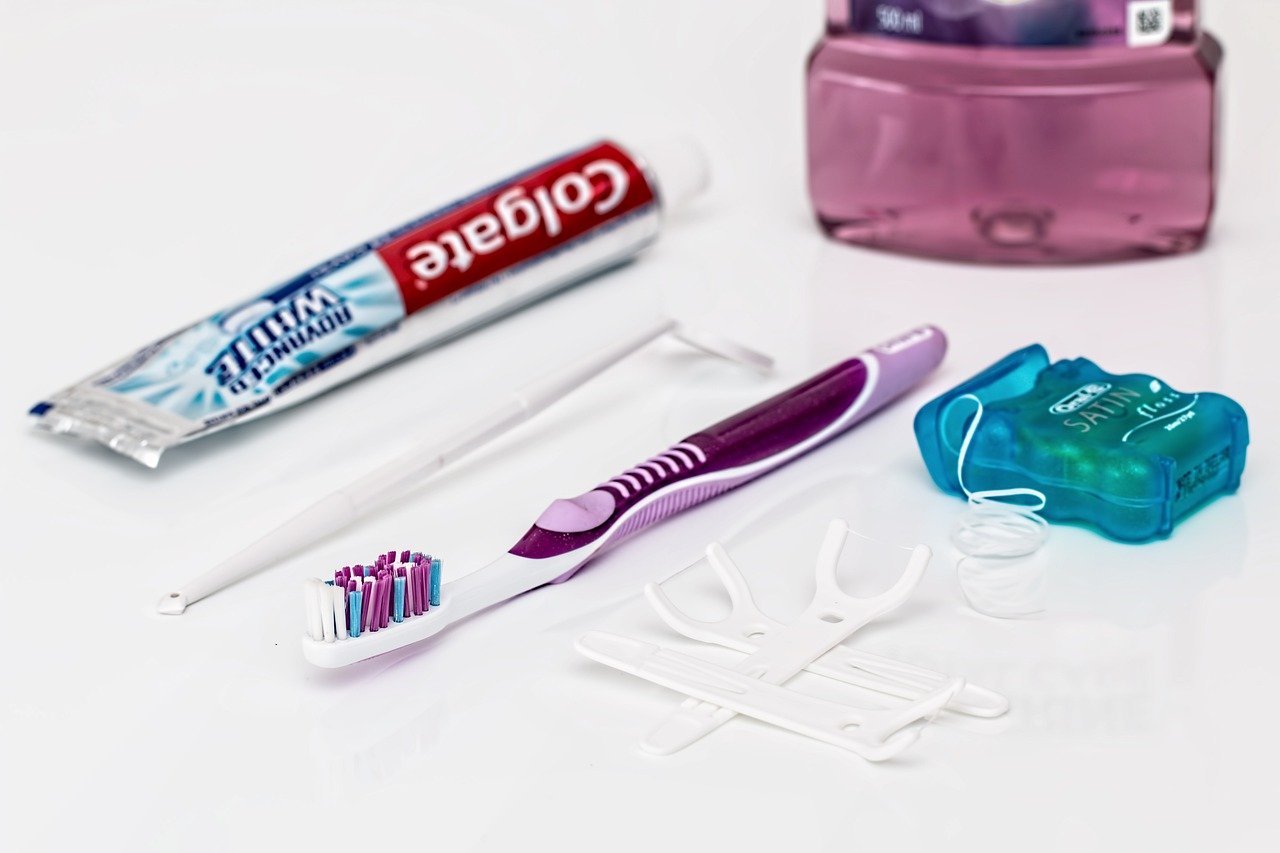
- Toothbrush: Opt for a soft-bristled toothbrush to avoid damaging your gums and enamel. Replace your toothbrush every 3-4 months or sooner if the bristles are frayed.
- Toothpaste: Choose a fluoride toothpaste that is approved by the American Dental Association (ADA).
- Mouthwash: Consider using an antibacterial mouthwash to kill bacteria and freshen your breath. However, mouthwash should not replace brushing and flossing.
- Dental Floss: Select a floss that is comfortable for you to use. Waxed or unwaxed floss, floss picks, and interdental brushes are all viable options.
The Role of Professional Dental Care
Regular Check-ups and Cleanings
Visiting your dentist for regular check-ups and cleanings is an essential part of maintaining good oral health.
- Frequency: Schedule a dental appointment every six months, or as recommended by your dentist.
- Benefits: Professional cleanings remove plaque and tartar buildup that you can’t remove at home. Your dentist can also identify and treat dental problems early, preventing them from becoming more serious.
- Example: During a check-up, your dentist may take X-rays to check for cavities, bone loss, and other issues. They will also examine your gums for signs of gum disease and provide personalized recommendations for improving your oral hygiene.
Addressing Specific Dental Issues
Your dentist can provide treatment for a variety of dental issues, such as cavities, gum disease, and tooth alignment problems.
- Cavities: Fillings are used to repair cavities and prevent further decay.
- Gum Disease: Scaling and root planing are used to remove plaque and tartar from below the gum line and smooth the tooth roots, helping to reduce inflammation and promote healing.
- Orthodontics: Braces or aligners can be used to correct misaligned teeth and improve your bite.
- Example: If you experience tooth pain, sensitivity, or bleeding gums, see your dentist as soon as possible.
Diet and Lifestyle Factors
Foods That Promote Dental Health
Certain foods can help promote strong teeth and healthy gums.
- Calcium-rich foods: Dairy products, leafy green vegetables, and fortified foods help strengthen tooth enamel.
- Crunchy fruits and vegetables: Apples, carrots, and celery help clean your teeth and stimulate saliva production.
- Water: Drinking plenty of water helps rinse away food particles and bacteria and keeps your mouth hydrated.
Foods to Limit or Avoid
Certain foods and drinks can contribute to tooth decay and other dental problems.
- Sugary foods and drinks: Sugar feeds bacteria in the mouth, leading to acid production that erodes tooth enamel.
- Acidic foods and drinks: Citrus fruits, soda, and energy drinks can erode tooth enamel.
- Sticky foods: Sticky foods, such as candy and dried fruit, cling to your teeth and provide a breeding ground for bacteria.
- Example: If you consume sugary or acidic foods and drinks, rinse your mouth with water afterward to help neutralize acids and remove food particles.
Conclusion
Maintaining excellent dental hygiene is a lifelong commitment with significant rewards. From preventing cavities and gum disease to protecting your overall health, the benefits of a consistent oral care routine are undeniable. By incorporating the tips and practices discussed above, and by scheduling regular visits with your dental professional, you can achieve a healthy, confident smile that lasts a lifetime.