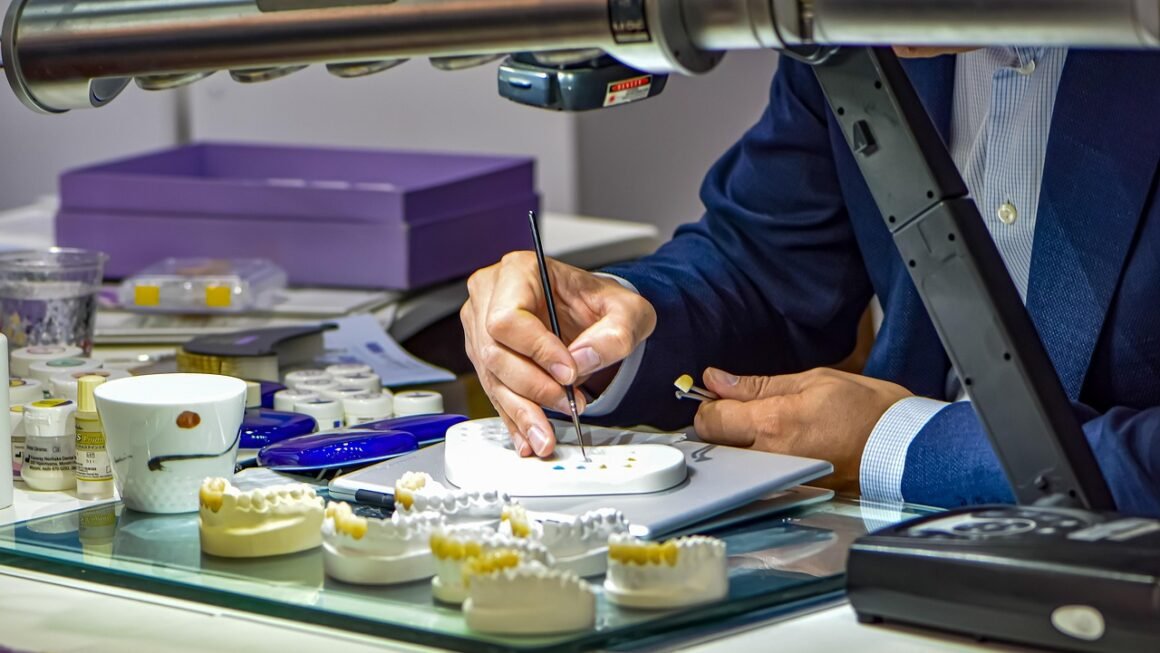
Achieving a brighter, whiter smile is a common desire, driving many people to explore the myriad of teeth whitening options available today. From over-the-counter solutions to professional treatments, the quest for a dazzling smile is often a journey of understanding the science behind whitening, the effectiveness of different methods, and the potential impact on overall dental health. This comprehensive guide will explore the various aspects of teeth whitening effects, empowering you to make informed decisions about achieving your ideal smile.
Understanding Teeth Whitening
Teeth whitening, also known as teeth bleaching, is the process of lightening the color of teeth. It’s a popular cosmetic procedure designed to remove stains and discoloration, enhancing the appearance of your smile. To understand how whitening works, it’s essential to know a bit about tooth structure.
Tooth Anatomy and Discoloration
- Enamel: The outermost layer of the tooth, enamel, is a hard, protective surface. Over time, enamel can become stained by various factors.
- Dentin: Beneath the enamel lies the dentin, which is naturally yellowish. When enamel thins or becomes more translucent, the dentin’s color becomes more visible.
- Causes of Discoloration:
Extrinsic Stains: These stains are on the surface of the enamel and are caused by foods, drinks (coffee, tea, red wine), tobacco, and poor oral hygiene.
Intrinsic Stains: These stains are within the tooth structure and can be caused by aging, genetics, certain medications (tetracycline), trauma, and excessive fluoride exposure during tooth development.
How Whitening Agents Work
Most teeth whitening products contain either hydrogen peroxide or carbamide peroxide as the active ingredient. These chemicals break down into hydrogen peroxide, which penetrates the enamel and oxidizes the stained molecules within the tooth.
- Hydrogen Peroxide: A stronger whitening agent that delivers quicker results. Typically used in professional settings and higher concentration over-the-counter products.
- Carbamide Peroxide: A more stable compound that breaks down into hydrogen peroxide and urea. Often used in at-home whitening kits and lower concentration products.
- Oxidation Process: The peroxide molecules break down the stain molecules into smaller, colorless particles, effectively lightening the overall tooth color.
Professional Teeth Whitening Options
Professional teeth whitening, performed by a dentist, offers several advantages over over-the-counter options, including stronger whitening agents, customized treatment plans, and supervision to minimize sensitivity.
In-Office Whitening
In-office whitening provides the most dramatic results in a single visit.
- Procedure:
1. The dentist protects the gums and soft tissues with a barrier.
2. A high-concentration hydrogen peroxide gel is applied to the teeth.
3. A special light or laser may be used to activate the gel, accelerating the whitening process.
4. The gel is removed, and the process may be repeated for optimal results.
- Benefits:
Fast and effective results.
Dentist supervision ensures safety and minimizes sensitivity.
Customized treatment tailored to individual needs.
- Example: Brands like Zoom! and BriteSmile are popular in-office whitening systems.
Custom Take-Home Trays
Custom take-home trays offer a more gradual whitening process, allowing patients to whiten their teeth in the comfort of their own homes, under the guidance of their dentist.
- Procedure:
1. The dentist takes impressions of your teeth to create custom-fitted trays.
2. You receive a whitening gel with a concentration prescribed by your dentist.
3. You fill the trays with the gel and wear them for a specified amount of time each day, as directed.
- Benefits:
Custom-fitted trays ensure optimal contact between the gel and the teeth.
Dentist-prescribed concentration allows for effective whitening while minimizing sensitivity.
Convenient and flexible treatment schedule.
- Example: Your dentist may provide custom trays with a 10-22% carbamide peroxide gel, with instructions to wear them for 30 minutes to a few hours daily.
Over-the-Counter Whitening Products
Numerous over-the-counter teeth whitening products are available, offering a more affordable and accessible option for those seeking a brighter smile. However, it’s crucial to choose products carefully and follow instructions to ensure safety and effectiveness.
Whitening Strips
Whitening strips are thin, flexible strips coated with a whitening gel.
- Procedure: The strips are applied to the upper and lower teeth and worn for a specified amount of time, usually 30 minutes to an hour, once or twice daily.
- Benefits:
Easy to use and relatively inexpensive.
Convenient for at-home whitening.
- Limitations:
May not fit teeth perfectly, leading to uneven whitening.
Lower concentration of whitening agents compared to professional treatments.
- Example: Crest 3D White Whitestrips are a popular and widely available option.
Whitening Toothpastes
Whitening toothpastes contain abrasive agents and chemicals that help remove surface stains.
- Procedure: Used like regular toothpaste, brushing twice daily.
- Benefits:
Maintain existing whiteness and prevent new stains.
Affordable and readily available.
- Limitations:
Primarily remove surface stains and do not significantly lighten the overall tooth color.
Abrasive ingredients may damage enamel with excessive use.
- Example: Colgate Optic White and Crest Pro-Health Whitening are popular choices.
Whitening Mouthwashes
Whitening mouthwashes contain hydrogen peroxide and help to whiten teeth over time.
- Procedure: Rinse with the mouthwash as directed, typically for 60 seconds, twice daily.
- Benefits:
Easy to incorporate into your daily oral hygiene routine.
- Limitations:
Less effective than other whitening methods due to limited contact time with the teeth.
- Example: Listerine Healthy White is a commonly used whitening mouthwash.
Managing Teeth Whitening Side Effects and Maintaining Results
While teeth whitening is generally safe, some side effects can occur. Proper management and maintenance are crucial to minimizing these effects and prolonging the results.
Common Side Effects
- Tooth Sensitivity: The most common side effect, usually temporary.
Management: Use desensitizing toothpaste (containing potassium nitrate), reduce whitening frequency, and avoid very hot or cold foods and drinks.
- Gum Irritation: Can occur if the whitening gel comes into contact with the gums.
Management: Ensure proper tray fit, use a smaller amount of gel, and protect gums with a barrier gel (if using in-office whitening).
- Uneven Whitening: Can occur if teeth have fillings, crowns, or other restorations.
* Management: Consult with your dentist about alternative options for whitening restorations or adjusting the treatment plan.
Maintaining Whitening Results
- Good Oral Hygiene: Brush and floss regularly to remove plaque and prevent stains.
- Dietary Modifications: Limit consumption of stain-causing foods and drinks like coffee, tea, red wine, and berries.
- Touch-Up Treatments: Periodic touch-up treatments with whitening strips or custom trays can help maintain the desired level of whiteness. Consult with your dentist about the appropriate frequency.
- Professional Cleanings: Regular dental cleanings remove surface stains and keep teeth looking their best.
Conclusion
Achieving a whiter, brighter smile is possible with the array of teeth whitening options available. Understanding the science behind whitening, the differences between professional and over-the-counter treatments, and potential side effects allows you to make informed choices that are right for you. Remember to consult with your dentist to determine the best whitening approach for your individual needs and to ensure a safe and effective outcome. With proper care and maintenance, you can enjoy a dazzling smile for years to come.