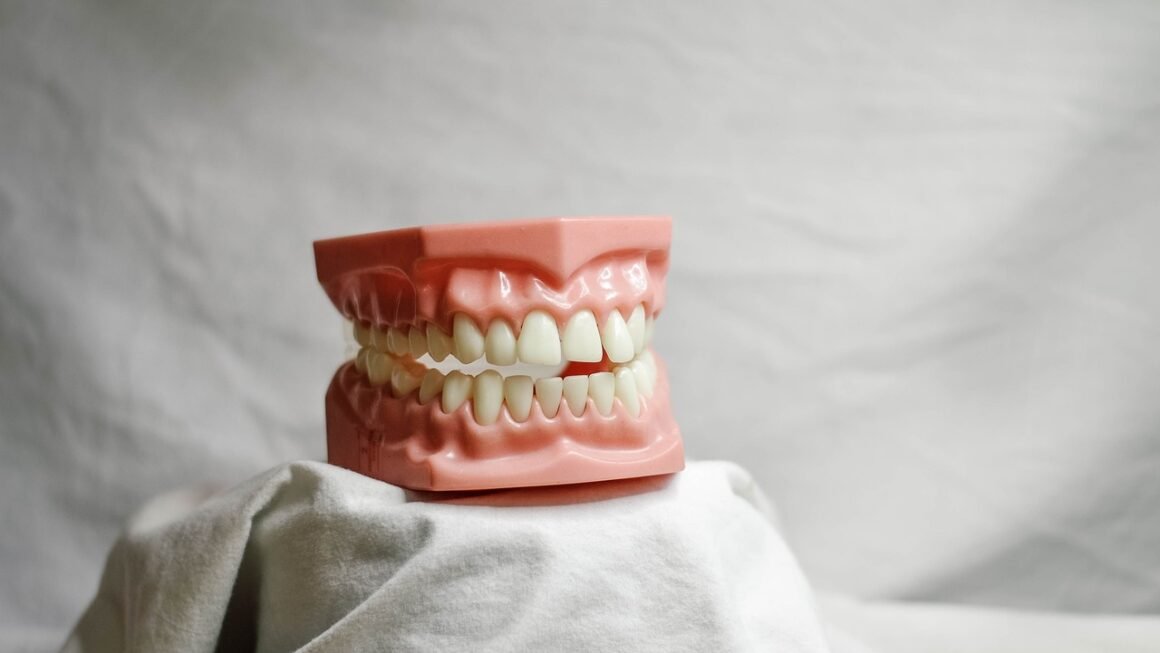
Maintaining a sparkling smile and healthy gums is more than just an aesthetic goal; it’s a cornerstone of overall well-being. The oral hygiene products we choose play a vital role in preventing cavities, gum disease, and bad breath. But with a seemingly endless array of options available, from toothbrushes to mouthwashes, navigating the oral care aisle can feel overwhelming. This guide will break down the essential oral hygiene products, helping you create a personalized routine for optimal dental health.
The Foundation: Toothbrushes
The humble toothbrush is your first line of defense against plaque and bacteria. Choosing the right one and using it correctly is crucial.
Manual vs. Electric Toothbrushes
- Manual Toothbrushes:
Pros: Affordable, readily available, easy to travel with, no batteries needed.
Cons: Requires proper technique to be effective, may not remove plaque as efficiently as electric toothbrushes.
Example: Look for soft-bristled toothbrushes with a small head to reach all areas of your mouth. Replace every 3 months or sooner if the bristles are frayed.
- Electric Toothbrushes:
Pros: Can remove more plaque and bacteria, often have built-in timers to ensure adequate brushing time, can be beneficial for people with limited dexterity.
Cons: More expensive, require charging or batteries, can be bulky for travel.
Example: Consider an electric toothbrush with a pressure sensor to avoid damaging gums. Many come with features like quadrant pacing, notifying you to move to a different section of your mouth every 30 seconds.
Toothbrush Bristle Types
- Soft Bristles: Recommended by dentists for most people. They are gentle on gums and enamel, reducing the risk of irritation and abrasion.
- Medium Bristles: Can be used by some individuals, but generally not recommended for those with sensitive gums or a history of gum recession.
- Hard Bristles: Should be avoided, as they can damage enamel and irritate gums, leading to long-term problems.
- Actionable Takeaway: Choose a soft-bristled toothbrush, whether manual or electric, and replace it regularly. Focus on proper brushing technique, spending at least two minutes twice a day.
The Unsung Hero: Toothpaste
Toothpaste is more than just a flavor enhancer; it’s a powerful tool in the fight against cavities and gum disease.
Fluoride Toothpaste: The Gold Standard
- Benefits: Fluoride strengthens tooth enamel, making it more resistant to acid attacks from bacteria and sugars. It can even help reverse early signs of tooth decay.
- Recommendation: The American Dental Association (ADA) recommends using fluoride toothpaste. Look for the ADA Seal of Acceptance on the packaging.
- Example: Many popular brands like Crest, Colgate, and Sensodyne offer fluoride toothpastes.
Specialized Toothpastes
- Sensitivity Toothpaste: Contains ingredients like potassium nitrate that help block pain signals to the nerves in your teeth, reducing sensitivity to hot, cold, or sweet stimuli.
Example: Sensodyne and Colgate Sensitive are popular choices.
- Whitening Toothpaste: Contains mild abrasives or chemical agents that help remove surface stains from teeth.
Example: These toothpastes won’t provide dramatic whitening results, but they can help maintain a brighter smile.
- Tartar Control Toothpaste: Contains ingredients that help prevent the buildup of tartar (hardened plaque).
Example: Effective in preventing tartar but won’t remove existing tartar, which requires professional dental cleaning.
- Actionable Takeaway: Choose a fluoride toothpaste that addresses your specific needs, such as sensitivity or whitening.
Reaching the Hidden Areas: Floss and Interdental Brushes
Brushing alone only cleans about 60% of your tooth surfaces. Flossing and interdental brushes are essential for reaching the areas between your teeth where plaque and food particles can accumulate.
Types of Floss
- Waxed Floss: Glides more easily between teeth, reducing friction and making it easier to use for people with tight spaces.
- Unwaxed Floss: Thinner than waxed floss, allowing it to fit into very tight spaces.
- Flavored Floss: Can make flossing a more pleasant experience.
- Dental Tape: Wider and flatter than regular floss, making it suitable for people with wider spaces between their teeth.
- Floss Picks: Pre-threaded floss holders that can be convenient for on-the-go flossing.
Interdental Brushes
- Benefits: Small brushes that fit between teeth to remove plaque and debris. Particularly effective for people with larger spaces between their teeth or those who have gum recession.
- Usage: Choose the appropriate size brush for each space to avoid damaging gums.
- Example: Brands like TePe offer a range of interdental brush sizes.
- Actionable Takeaway: Floss daily, preferably before brushing, to remove plaque and food particles from between your teeth. Consider using interdental brushes if you have larger spaces or gum recession.
The Finishing Touch: Mouthwash
Mouthwash is a great addition to your oral hygiene routine, offering extra protection against bacteria and bad breath.
Types of Mouthwash
- Fluoride Mouthwash: Helps strengthen tooth enamel and prevent cavities.
- Antiseptic Mouthwash: Contains ingredients that kill bacteria, reducing plaque and gingivitis.
Example: Listerine and Chlorhexidine (prescription strength).
- Cosmetic Mouthwash: Freshens breath but doesn’t necessarily provide significant antibacterial benefits.
- Alcohol-Free Mouthwash: A good option for people with dry mouth or those who are sensitive to alcohol.
How to Use Mouthwash
- Rinse with mouthwash for 30-60 seconds after brushing and flossing.
- Do not swallow mouthwash.
- Avoid eating or drinking for 30 minutes after using mouthwash.
- Actionable Takeaway: Choose a mouthwash that addresses your specific needs, such as fluoride for cavity prevention or antiseptic for gingivitis.
Additional Oral Hygiene Products
Beyond the basics, several other oral hygiene products can further enhance your oral health.
Tongue Scrapers
- Benefits: Remove bacteria and debris from the surface of the tongue, reducing bad breath.
- Usage: Gently scrape the tongue from back to front.
Water Flossers (Oral Irrigators)
- Benefits: Use a stream of water to remove plaque and food particles from between teeth and below the gumline. Can be a good alternative to traditional floss for people with braces or limited dexterity.
- Example: Waterpik is a popular brand.
Toothpicks
- Benefits: Useful for removing food particles stuck between teeth.
- Usage: Use with caution to avoid damaging gums.
Conclusion
Maintaining optimal oral hygiene requires a consistent routine and the right products. By understanding the benefits of each product and tailoring your approach to your specific needs, you can achieve a healthy and radiant smile for years to come. Remember to consult with your dentist or dental hygienist for personalized recommendations and guidance.