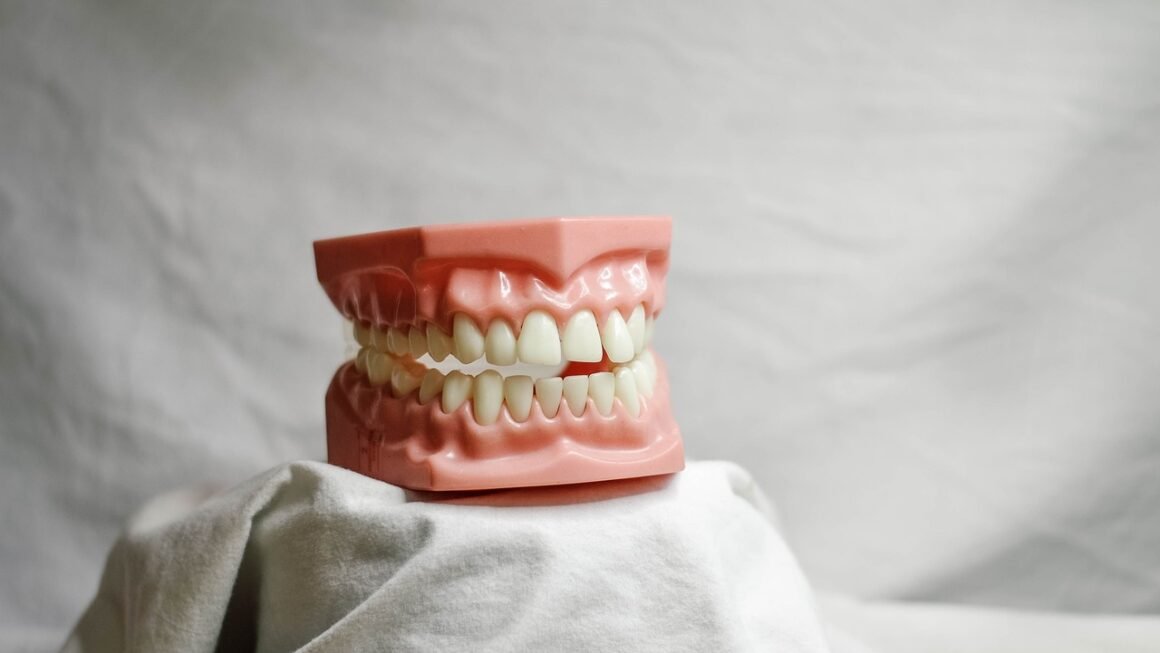
Maintaining optimal dental health is a cornerstone of overall well-being. It’s not just about a dazzling smile; it’s about preventing pain, infections, and even systemic health issues. This comprehensive guide delves into the critical aspects of dental health awareness, providing you with the knowledge and actionable steps to keep your teeth and gums healthy for a lifetime.
The Importance of Oral Hygiene
Understanding the Oral Microbiome
Your mouth is home to a diverse community of bacteria, some beneficial and some harmful. Maintaining a balance is key. When harmful bacteria flourish, they can lead to plaque formation, which hardens into tartar. Tartar buildup irritates the gums and contributes to gum disease.
- Beneficial Bacteria: Aid in digestion and prevent the overgrowth of harmful microorganisms.
- Harmful Bacteria: Produce acids that erode tooth enamel and cause cavities.
- Plaque: A sticky film of bacteria that constantly forms on teeth.
The Link Between Oral Health and Overall Health
Research increasingly demonstrates a strong connection between oral health and overall health. Poor oral hygiene has been linked to:
- Cardiovascular Disease: Bacteria from gum disease can enter the bloodstream and contribute to heart problems.
- Diabetes: Gum disease can make it harder to control blood sugar levels.
- Respiratory Infections: Bacteria from the mouth can be inhaled into the lungs, leading to pneumonia or other respiratory issues.
- Pregnancy Complications: Gum disease has been associated with premature birth and low birth weight.
Establishing a Solid Oral Hygiene Routine
A consistent oral hygiene routine is crucial for preventing dental problems. Here’s what you should include:
- Brushing: Brush your teeth twice a day for two minutes each time, using fluoride toothpaste. Focus on reaching all surfaces of your teeth.
- Flossing: Floss daily to remove plaque and food particles from between your teeth and under the gumline.
- Mouthwash: Use an antiseptic mouthwash to kill bacteria and freshen your breath.
- Regular Dental Check-ups: Visit your dentist for regular check-ups and cleanings, typically every six months.
Example: When brushing, angle your toothbrush at 45 degrees to the gumline and use short, gentle strokes. This helps remove plaque effectively without damaging your gums.
Common Dental Problems and Prevention
Tooth Decay (Cavities)
Tooth decay, or cavities, is one of the most common dental problems. It’s caused by acids produced by bacteria in plaque eroding tooth enamel.
- Causes: Sugary and acidic foods and drinks, poor oral hygiene, dry mouth.
- Symptoms: Toothache, sensitivity to hot or cold, visible holes in teeth.
- Prevention: Reduce sugary and acidic food intake, brush and floss regularly, use fluoride toothpaste, and consider dental sealants.
Gum Disease (Periodontal Disease)
Gum disease is an infection of the gums that can eventually damage the soft tissue and bone that support your teeth. In its early stages, it’s called gingivitis. If left untreated, it can progress to periodontitis.
- Causes: Plaque and tartar buildup, poor oral hygiene, smoking, diabetes, genetic factors.
- Symptoms: Red, swollen, bleeding gums, persistent bad breath, receding gums, loose teeth.
- Prevention: Brush and floss regularly, visit your dentist for professional cleanings, quit smoking, and manage underlying health conditions like diabetes.
Oral Cancer
Oral cancer can affect any part of the mouth, including the lips, tongue, cheeks, and throat. Early detection is crucial for successful treatment.
- Risk Factors: Tobacco use (smoking or chewing), excessive alcohol consumption, HPV infection, sun exposure to the lips.
- Symptoms: Sores that don’t heal, lumps or thickening in the mouth, white or red patches, difficulty swallowing or speaking.
- Prevention: Avoid tobacco and excessive alcohol use, use lip balm with SPF, and undergo regular oral cancer screenings by your dentist.
Example: If you notice a sore in your mouth that hasn’t healed after two weeks, see your dentist immediately for an evaluation. Early detection of oral cancer significantly improves treatment outcomes.
The Role of Diet in Dental Health
Foods That Promote Healthy Teeth
Certain foods can actually help strengthen teeth and protect against decay:
- Dairy Products: Milk, cheese, and yogurt are rich in calcium and phosphates, which help remineralize tooth enamel.
- Crunchy Fruits and Vegetables: Apples, carrots, and celery stimulate saliva production, which helps neutralize acids and wash away food particles.
- Leafy Greens: Spinach and kale are packed with vitamins and minerals that support overall health, including dental health.
- Nuts and Seeds: Almonds, walnuts, and sunflower seeds contain calcium and other nutrients that strengthen teeth.
Foods to Limit or Avoid
Some foods can contribute to tooth decay and other dental problems:
- Sugary Foods and Drinks: Candy, soda, and pastries provide fuel for bacteria to produce acids that erode tooth enamel.
- Acidic Foods and Drinks: Citrus fruits, tomatoes, and vinegar can weaken tooth enamel over time.
- Sticky Foods: Gummy candies and dried fruit can stick to teeth and provide a prolonged source of sugar for bacteria.
Hydration and Oral Health
Drinking plenty of water is essential for maintaining good oral health. Water helps:
- Wash away food particles and bacteria.
- Stimulate saliva production, which neutralizes acids and remineralizes tooth enamel.
- Prevent dry mouth, which can increase the risk of tooth decay.
Example: Instead of sipping on sugary drinks throughout the day, opt for water. You can add a slice of lemon or cucumber for flavor.
Choosing the Right Dental Products
Toothpaste Selection
When choosing toothpaste, look for:
- Fluoride: Fluoride strengthens tooth enamel and helps prevent tooth decay.
- ADA Seal of Acceptance: This indicates that the toothpaste has been tested and proven safe and effective.
- Ingredients: Consider your specific needs, such as sensitivity, whitening, or tartar control.
Toothbrush Selection
Choose a toothbrush that:
- Has soft bristles: Soft bristles are gentle on your gums and prevent damage.
- Is the right size: The toothbrush head should be small enough to reach all areas of your mouth.
- Is replaced regularly: Replace your toothbrush every three to four months, or sooner if the bristles are frayed.
Floss Options
There are various types of floss available:
- Waxed or unwaxed floss: Choose the type that slides easily between your teeth.
- Flavored or unflavored floss: Personal preference.
- Dental tape: Wider than regular floss, ideal for people with larger spaces between their teeth.
- Water flossers: Use a stream of water to remove plaque and food particles from between teeth and under the gumline. A great addition, but not a replacement for standard floss.
Example: If you have braces or dental bridges, consider using floss threaders to help you floss effectively.
Professional Dental Care
Regular Check-ups and Cleanings
Regular dental check-ups and cleanings are essential for maintaining good oral health. During a check-up, your dentist will:
- Examine your teeth and gums for signs of decay, gum disease, and other problems.
- Take X-rays to detect hidden problems, such as cavities between teeth or bone loss.
- Provide professional cleaning to remove plaque and tartar buildup.
- Offer advice on how to improve your oral hygiene routine.
The Importance of Early Intervention
Early detection and treatment of dental problems can prevent them from becoming more serious and expensive to treat. For example, catching a cavity early allows for a simple filling, while delaying treatment can lead to a root canal or tooth extraction.
Discussing Concerns with Your Dentist
Don’t hesitate to discuss any concerns you have about your oral health with your dentist. This includes:
- Tooth sensitivity.
- Bleeding gums.
- Persistent bad breath.
- Changes in your bite.
- Any lumps or sores in your mouth.
Example: Schedule a visit with your dentist if you experience persistent tooth sensitivity to hot or cold foods and drinks. This could be a sign of enamel erosion or a cavity.
Conclusion
Prioritizing dental health awareness is an investment in your overall well-being. By adopting a consistent oral hygiene routine, making informed dietary choices, selecting the right dental products, and seeking regular professional care, you can significantly reduce your risk of dental problems and enjoy a healthy, confident smile for years to come. Take proactive steps today to safeguard your oral health and reap the rewards of a healthier, happier you.