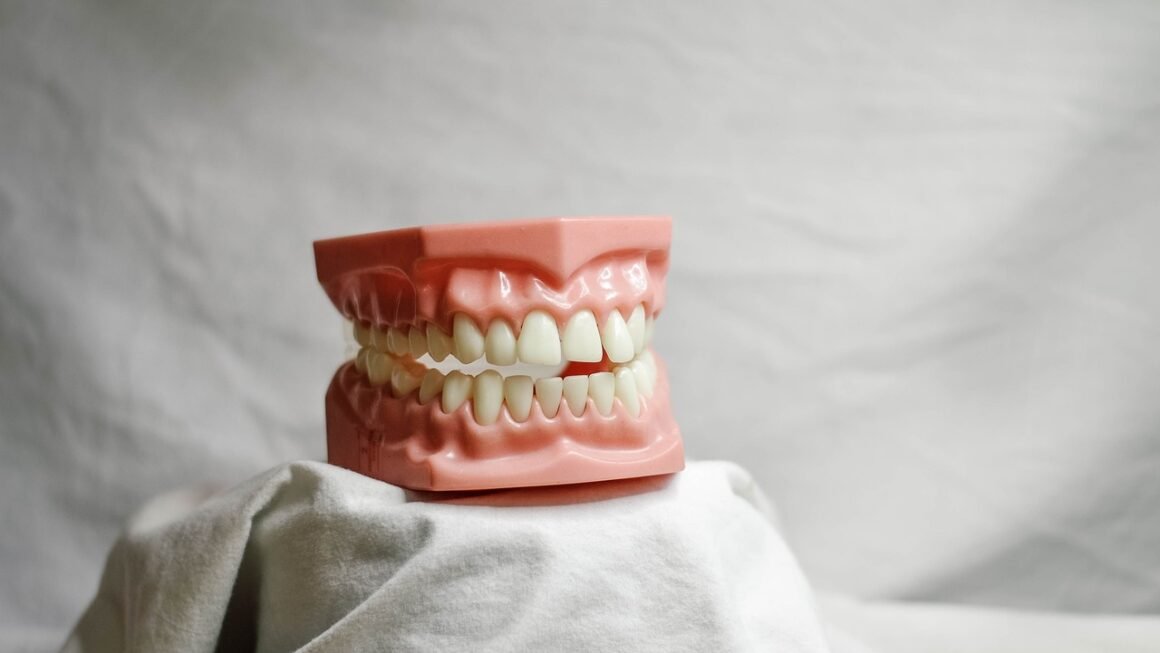
Maintaining excellent oral health is paramount to overall well-being, impacting everything from your confidence in smiling to your ability to properly digest food. Beyond just preventing cavities, a robust oral hygiene routine is a vital component of a healthy lifestyle. Let’s dive into the key aspects of oral health, exploring practical tips and valuable insights to help you achieve and maintain a radiant, healthy smile.
The Foundation: Daily Oral Hygiene
Brushing Basics
Brushing your teeth is the cornerstone of good oral hygiene. Aim to brush at least twice a day, once in the morning and once before bed.
- Technique: Use a soft-bristled toothbrush and fluoride toothpaste. Gently brush in circular motions, ensuring you reach all surfaces of each tooth. Don’t forget to brush your tongue to remove bacteria and freshen your breath.
- Duration: Spend at least two minutes brushing each time. Many electric toothbrushes have built-in timers to help you achieve the recommended brushing time.
- Toothbrush Replacement: Replace your toothbrush every three months, or sooner if the bristles are frayed. Frayed bristles are less effective at cleaning and can harbor bacteria.
The Power of Flossing
Flossing is crucial for removing plaque and food particles from between your teeth, where your toothbrush can’t reach.
- Frequency: Floss at least once a day, preferably before bedtime.
- Technique: Use about 18 inches of floss and gently guide it between your teeth using a sawing motion. Curve the floss into a “C” shape around each tooth and slide it gently under the gumline.
- Alternatives: If you find traditional flossing difficult, consider using interdental brushes or floss picks.
Mouthwash Magic
Using a fluoride mouthwash can further enhance your oral hygiene routine.
- Benefits: Mouthwash helps kill bacteria, freshen breath, and strengthen tooth enamel.
- Timing: Rinse with mouthwash after brushing and flossing, or as directed by your dentist.
- Choosing the Right Mouthwash: Look for a mouthwash that contains fluoride and is alcohol-free to avoid drying out your mouth.
Diet’s Impact on Your Smile
Sugar’s Devastating Effects
Sugary foods and drinks are a major contributor to tooth decay. Bacteria in your mouth feed on sugar, producing acids that erode tooth enamel.
- Limit Sugar Intake: Reduce your consumption of sugary snacks, sodas, and fruit juices.
- Read Labels: Be mindful of hidden sugars in processed foods.
- Rinse After Sugary Treats: If you do indulge in something sweet, rinse your mouth with water afterward to help neutralize the acids.
Foods That Promote Oral Health
Certain foods can actually benefit your oral health.
- Crunchy Fruits and Vegetables: Apples, carrots, and celery help clean your teeth and stimulate saliva production.
- Dairy Products: Milk and cheese are rich in calcium, which strengthens tooth enamel.
- Green Tea: Contains antioxidants that can help fight bacteria and reduce inflammation.
Hydration is Key
Drinking plenty of water helps keep your mouth hydrated, which is essential for saliva production. Saliva helps neutralize acids, wash away food particles, and protect your teeth from decay.
- Carry a Water Bottle: Make it a habit to carry a water bottle with you throughout the day and sip on it regularly.
- Drink Water After Meals: This helps to rinse away food particles and neutralize acids.
- Avoid Sugary Drinks: Opt for water over sugary drinks to quench your thirst.
The Importance of Regular Dental Checkups
Professional Cleaning and Examination
Regular dental checkups are essential for maintaining optimal oral health. Your dentist can detect and treat problems early, before they become more serious and expensive.
- Frequency: Schedule checkups at least twice a year, or more frequently if recommended by your dentist.
- Professional Cleaning: Removes plaque and tartar buildup that you can’t remove at home.
- Comprehensive Examination: Your dentist will examine your teeth, gums, and mouth for signs of decay, gum disease, and other oral health problems.
Early Detection and Prevention
Early detection is key to preventing serious oral health problems.
- Cavity Prevention: Regular checkups allow your dentist to identify and treat cavities early, before they require more extensive treatment.
- Gum Disease Prevention: Your dentist can detect and treat gum disease in its early stages, preventing tooth loss and other complications.
- Oral Cancer Screening: Regular checkups include an oral cancer screening, which can help detect cancer in its early stages, when it is most treatable.
Personalized Advice and Guidance
Your dentist can provide personalized advice and guidance on how to improve your oral hygiene routine.
- Brushing and Flossing Techniques: Your dentist can demonstrate proper brushing and flossing techniques to ensure you are effectively cleaning your teeth.
- Product Recommendations: Your dentist can recommend specific toothbrushes, toothpaste, and mouthwashes that are best suited for your individual needs.
- Treatment Options: Your dentist can discuss various treatment options with you and help you make informed decisions about your oral health care.
Common Oral Health Issues and How to Address Them
Cavities (Tooth Decay)
Cavities are caused by bacteria that produce acids that erode tooth enamel.
- Prevention: Brush twice daily with fluoride toothpaste, floss daily, limit sugary foods and drinks, and visit your dentist regularly.
- Treatment: Fillings, root canals, or tooth extractions, depending on the severity of the decay.
Gum Disease (Gingivitis and Periodontitis)
Gum disease is an inflammation of the gums that can lead to tooth loss.
- Prevention: Brush and floss daily, visit your dentist regularly for professional cleanings, and avoid smoking.
- Treatment: Scaling and root planing (deep cleaning), antibiotics, or surgery, depending on the severity of the disease.
Bad Breath (Halitosis)
Bad breath can be caused by poor oral hygiene, dry mouth, certain foods, or medical conditions.
- Prevention: Brush and floss daily, brush your tongue, stay hydrated, avoid strong-smelling foods, and visit your dentist regularly.
- Treatment: Address the underlying cause of the bad breath, such as improving oral hygiene, treating dry mouth, or addressing any medical conditions.
Teeth Grinding (Bruxism)
Teeth grinding can damage your teeth and cause jaw pain, headaches, and other problems.
- Prevention: Reduce stress, avoid caffeine and alcohol before bed, and wear a mouthguard while sleeping.
- Treatment: Mouthguards, stress management techniques, or dental procedures to repair damaged teeth.
Conclusion
Prioritizing oral health is an investment in your overall well-being. By establishing a consistent and effective oral hygiene routine, making smart dietary choices, and scheduling regular dental checkups, you can achieve and maintain a healthy, radiant smile for years to come. Remember, small changes in your daily habits can make a significant difference in your oral health and overall quality of life. Take charge of your smile today!