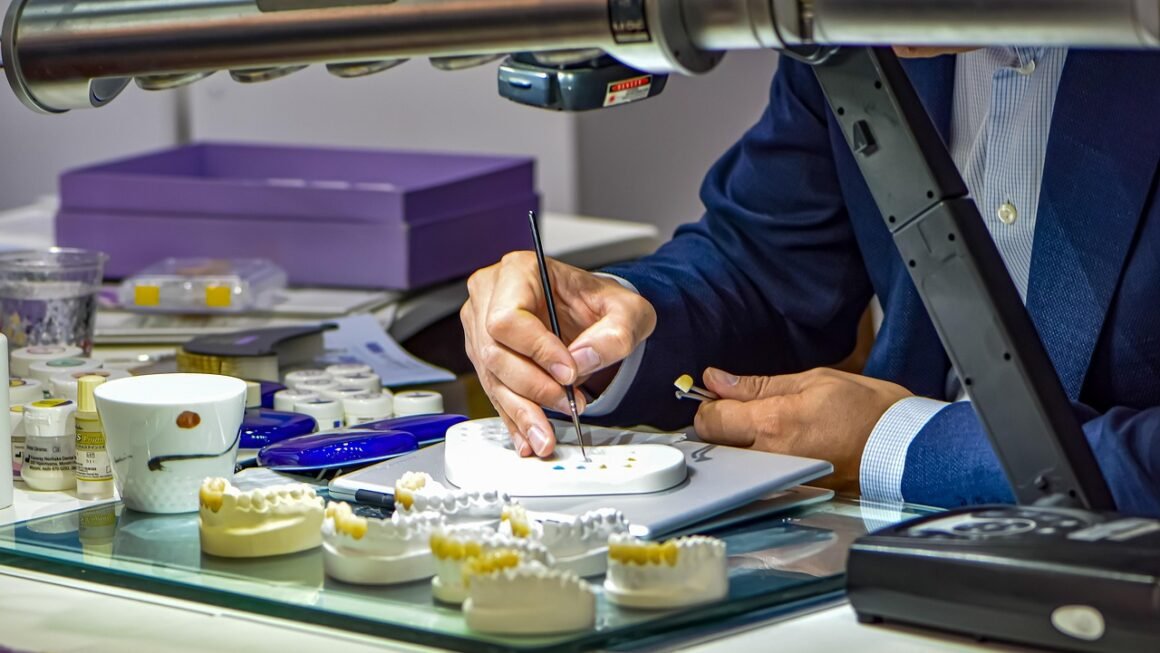
Hydrogen peroxide whitening is a popular and effective method for achieving a brighter, more confident smile. From over-the-counter options to professional dental treatments, understanding the science behind this technique and how to use it safely is crucial. This comprehensive guide will walk you through everything you need to know about hydrogen peroxide whitening, helping you make informed decisions about your dental health and aesthetic goals.
Understanding Hydrogen Peroxide and Tooth Whitening
How Hydrogen Peroxide Whitens Teeth
Hydrogen peroxide (H2O2) is a powerful oxidizing agent. When used in tooth whitening, it breaks down the stain molecules on and within the enamel. This process involves a chemical reaction where the peroxide molecules penetrate the tooth enamel and dentin, oxidizing the colored pigments that cause discoloration. This reaction transforms the large, complex stain molecules into smaller, colorless molecules, making the teeth appear whiter.
The concentration of hydrogen peroxide determines the speed and effectiveness of the whitening process. Higher concentrations, typically used in professional dental settings, provide faster and more dramatic results but also carry a higher risk of sensitivity. Lower concentrations, found in over-the-counter products, offer a gentler approach, requiring more applications over a longer period.
Factors Affecting Whitening Effectiveness
Several factors can influence the effectiveness of hydrogen peroxide whitening:
- Concentration of Hydrogen Peroxide: Higher concentrations generally yield faster results but increase the risk of sensitivity.
- Contact Time: The longer the hydrogen peroxide is in contact with the teeth, the more effective it will be. However, exceeding recommended contact times can lead to irritation and sensitivity.
- Type of Stain: Hydrogen peroxide is most effective on extrinsic stains (surface stains from food, drinks, and smoking). Intrinsic stains (stains within the tooth structure, often caused by medication or trauma) may require more aggressive treatments or may not respond as well.
- Individual Tooth Structure: Some individuals have more porous enamel, which allows the hydrogen peroxide to penetrate more effectively, leading to better results.
- Pre-Existing Dental Conditions: Cavities, gum disease, and exposed roots can affect the whitening process and increase sensitivity. It’s crucial to address these issues before starting any whitening treatment.
Over-the-Counter Hydrogen Peroxide Whitening Products
Types of OTC Whitening Products
A wide range of over-the-counter (OTC) products utilize hydrogen peroxide for tooth whitening. These include:
- Whitening Toothpastes: These contain low concentrations of hydrogen peroxide (typically around 1%) and abrasive agents to remove surface stains. They’re a good option for maintaining whiteness after a professional treatment.
- Whitening Strips: These thin, flexible strips are coated with a gel containing hydrogen peroxide. They are applied to the teeth for a specified period each day. Concentrations usually range from 6% to 14%.
- Whitening Gels: These are applied to the teeth using a brush or a tray. The concentration of hydrogen peroxide can vary, but is usually similar to that of whitening strips.
- Whitening Mouthwashes: These contain a low concentration of hydrogen peroxide and are used as part of a daily oral hygiene routine. They provide minimal whitening benefits compared to other products.
Pros and Cons of OTC Products
Pros:
- Accessibility: Easily available in drugstores, supermarkets, and online.
- Cost-Effective: Generally less expensive than professional treatments.
- Convenience: Can be used at home without a dentist’s supervision.
Cons:
- Lower Concentrations: May take longer to achieve noticeable results.
- Uneven Whitening: Strips and gels may not cover all tooth surfaces evenly.
- Potential for Sensitivity: Can cause tooth sensitivity and gum irritation, especially with prolonged use.
- Limited Effectiveness on Severe Stains: May not be effective for intrinsic stains or severe discoloration.
Tips for Safe and Effective Use of OTC Products
To maximize the effectiveness and safety of OTC hydrogen peroxide whitening products:
- Read and Follow Instructions Carefully: Adhere to the recommended usage instructions provided by the manufacturer.
- Avoid Overuse: Using products more frequently or for longer durations than recommended can increase the risk of sensitivity and irritation.
- Maintain Good Oral Hygiene: Brush and floss regularly to remove plaque and debris before using whitening products.
- Protect Your Gums: If using whitening strips or gels, avoid contact with the gums to prevent irritation.
- Consider a Sensitivity Toothpaste: If you experience sensitivity, use a toothpaste designed for sensitive teeth before, during, and after whitening treatments.
Professional Hydrogen Peroxide Whitening Treatments
In-Office Whitening Procedures
Professional in-office whitening treatments are performed by a dentist and involve the use of high concentrations of hydrogen peroxide (typically 25% to 40%). These procedures offer the fastest and most dramatic results. Common in-office whitening techniques include:
- Laser Whitening: A high-concentration hydrogen peroxide gel is applied to the teeth, and a laser or special light is used to activate the gel, accelerating the whitening process.
- Power Whitening: Similar to laser whitening, but uses a different type of light or no light at all. The high concentration of hydrogen peroxide alone achieves the whitening effect.
- Custom Tray Whitening: The dentist creates custom-fitted trays that hold the whitening gel in close contact with the teeth. Patients typically wear the trays for a specified period each day for several weeks.
Benefits of Professional Treatments
Professional hydrogen peroxide whitening treatments offer several advantages over OTC products:
- Higher Concentrations: Provide faster and more effective whitening results.
- Supervised Application: Minimizes the risk of sensitivity and irritation.
- Customized Treatment Plans: Tailored to individual needs and dental conditions.
- Protection of Soft Tissues: Dentists use barriers to protect the gums and other soft tissues from irritation.
- Immediate Results: Noticeable whitening after just one or two sessions.
What to Expect During a Professional Whitening Session
A typical professional whitening session involves the following steps:
- Dental Examination: The dentist will examine your teeth and gums to ensure you’re a good candidate for whitening and to address any underlying dental issues.
- Teeth Cleaning: Professional cleaning to remove plaque and debris, allowing the whitening gel to penetrate more effectively.
- Gum Protection: Application of a protective barrier to shield the gums from the hydrogen peroxide gel.
- Gel Application: The dentist applies the high-concentration hydrogen peroxide gel to the teeth.
- Activation (if applicable): Use of a laser or light to activate the gel.
- Rinse and Evaluation: The gel is removed, and the dentist evaluates the results. Additional applications may be necessary to achieve the desired level of whitening.
Post-Treatment Care
After a professional whitening treatment, it’s essential to follow these guidelines:
- Avoid Staining Foods and Drinks: For the first 24-48 hours, avoid coffee, tea, red wine, berries, and other staining substances.
- Maintain Good Oral Hygiene: Brush and floss regularly to maintain the whiteness of your teeth.
- Use a Sensitivity Toothpaste: If you experience sensitivity, use a toothpaste designed for sensitive teeth.
- Follow Dentist’s Recommendations: Follow any specific instructions provided by your dentist.
Safety Considerations and Potential Side Effects
Tooth Sensitivity
Tooth sensitivity is the most common side effect of hydrogen peroxide whitening. This occurs because the peroxide can temporarily open up the microscopic pores in the enamel, exposing the dentin, which contains nerve endings. Sensitivity usually subsides within a few days after treatment.
To manage tooth sensitivity:
- Use a Sensitivity Toothpaste: Contains ingredients like potassium nitrate that help block nerve signals.
- Reduce Treatment Frequency: Decrease the frequency or duration of whitening treatments.
- Fluoride Treatments: Fluoride can help strengthen enamel and reduce sensitivity.
Gum Irritation
Gum irritation can occur if the hydrogen peroxide comes into contact with the gums. This is more common with OTC products that are not properly fitted to the teeth. Irritation usually resolves within a few days.
To prevent gum irritation:
- Use Properly Fitted Trays or Strips: Ensure whitening trays or strips fit snugly against the teeth to minimize contact with the gums.
- Apply a Protective Barrier: Use a cotton swab or dental gel to create a barrier between the teeth and gums.
- Rinse Thoroughly: Rinse your mouth thoroughly with water after each whitening treatment.
Enamel Damage
While hydrogen peroxide is generally safe when used as directed, excessive or improper use can potentially damage tooth enamel. High concentrations of hydrogen peroxide can weaken the enamel over time, making it more susceptible to decay.
To minimize the risk of enamel damage:
- Follow Recommended Usage Guidelines: Adhere to the recommended frequency and duration of whitening treatments.
- Avoid Overuse: Using products more frequently than recommended will not produce better results and can damage your teeth.
- Consult a Dentist: Talk to your dentist about the safest and most effective whitening options for your teeth.
Other Potential Side Effects
- Sore Throat: From swallowing small amounts of the whitening gel.
- Temporary White Spots: May appear on the teeth after whitening, but usually fade within a few days.
Maintaining Your Whitened Smile
Tips for Long-Term Maintenance
To maintain your bright, white smile after hydrogen peroxide whitening:
- Practice Good Oral Hygiene: Brush and floss regularly to remove plaque and prevent stain buildup.
- Limit Staining Foods and Drinks: Reduce your consumption of coffee, tea, red wine, and other staining substances. If you do consume these, rinse your mouth with water afterward.
- Use a Whitening Toothpaste: Use a whitening toothpaste to help remove surface stains and maintain whiteness.
- Touch-Up Treatments: Consider occasional touch-up treatments with OTC products or professional treatments to maintain your desired level of whiteness.
- Regular Dental Check-Ups: Visit your dentist regularly for check-ups and professional cleanings.
The Role of Diet
Your diet plays a significant role in the longevity of your whitening results. Certain foods and drinks can stain your teeth over time, while others can help keep them white.
Foods and drinks to limit or avoid:
- Coffee and Tea: Contain tannins that can stain teeth.
- Red Wine: Acidic and contains pigments that can stain teeth.
- Dark Berries: Such as blueberries, blackberries, and cranberries, can stain teeth.
- Soda: Acidic and can erode enamel, making teeth more susceptible to staining.
- Soy Sauce: Can stain teeth due to its dark color and high pigment content.
Foods that can help maintain whiteness:
- Crunchy Fruits and Vegetables: Such as apples, celery, and carrots, can help scrub away surface stains.
- Dairy Products: Such as milk and yogurt, contain calcium and phosphates that can strengthen enamel.
- Water: Helps rinse away food particles and acids, preventing staining.
Conclusion
Hydrogen peroxide whitening is a safe and effective way to brighten your smile, whether you opt for over-the-counter products or professional treatments. Understanding the process, potential side effects, and proper maintenance techniques is crucial for achieving the best possible results. By following the guidelines outlined in this comprehensive guide, you can achieve a whiter, more confident smile while protecting your dental health. Remember to consult with your dentist to determine the most appropriate whitening option for your individual needs and to address any pre-existing dental conditions.