Maintaining a healthy smile is more than just aesthetics; it’s a cornerstone of overall well-being. From preventing painful cavities to reducing the risk of systemic diseases, prioritizing dental health education is crucial for individuals of all ages. This blog post will delve into the importance of dental health education, offering practical advice and actionable steps you can take to improve your oral hygiene and safeguard your health.
The Foundation of a Healthy Smile: Understanding Oral Hygiene
Why is Dental Health Education Important?
Dental health education empowers individuals to take control of their oral health and prevent common dental problems. It goes beyond simply brushing and flossing, encompassing an understanding of the factors that contribute to a healthy mouth and the consequences of neglecting oral hygiene.
- Prevention is Key: Education equips you with the knowledge to prevent cavities, gum disease, and other oral health issues before they even start.
- Cost-Effective: Preventing dental problems through proper hygiene is far more cost-effective than treating them later.
- Systemic Health Connection: Oral health is linked to overall health. Educating yourself about this connection helps you understand how oral health impacts conditions like heart disease, diabetes, and respiratory infections.
- Improved Quality of Life: A healthy smile boosts confidence and allows you to enjoy eating, speaking, and socializing without discomfort or embarrassment.
Key Elements of a Good Oral Hygiene Routine
A consistent and thorough oral hygiene routine is the cornerstone of good dental health. Here’s what it should include:
- Brushing: Brush your teeth at least twice a day for two minutes each time, using fluoride toothpaste. Focus on reaching all surfaces of each tooth. Use a soft-bristled toothbrush and replace it every three months, or sooner if the bristles are frayed.
- Flossing: Floss daily to remove plaque and food particles from between your teeth and along the gumline, areas your toothbrush can’t reach.
- Mouthwash: Use an antiseptic or fluoride mouthwash to help kill bacteria and strengthen tooth enamel. Choose a mouthwash that is alcohol-free to prevent dry mouth.
- Regular Dental Check-ups: Visit your dentist for regular check-ups and cleanings. These appointments allow your dentist to identify and address any potential problems early on. The American Dental Association recommends check-ups once or twice a year, depending on your individual needs.
Diet and Dental Health: What You Eat Matters
The Impact of Sugar on Your Teeth
Sugar is a major contributor to tooth decay. Bacteria in your mouth feed on sugar, producing acids that erode tooth enamel and lead to cavities.
- Limit Sugary Drinks: Soda, juice, and energy drinks are often loaded with sugar. Choose water, unsweetened tea, or milk instead.
- Beware of Hidden Sugars: Many processed foods contain hidden sugars. Read food labels carefully and be mindful of your sugar intake.
- Snack Smart: Opt for healthy snacks like fruits, vegetables, cheese, or nuts instead of sugary treats.
- Sugar-Free Gum: Chewing sugar-free gum after meals can help stimulate saliva production, which neutralizes acids and helps protect your teeth.
Foods That Promote Dental Health
Certain foods can actually help strengthen your teeth and gums:
- Dairy Products: Milk, cheese, and yogurt are rich in calcium and phosphorus, which are essential for strong teeth.
- Fruits and Vegetables: Crisp fruits and vegetables like apples, carrots, and celery help scrub your teeth clean and stimulate saliva flow.
- Leafy Greens: Spinach, kale, and other leafy greens are packed with vitamins and minerals that support oral health.
- Nuts and Seeds: Nuts and seeds are a good source of protein, fiber, and healthy fats, and they can help scrub away plaque.
Protecting Your Teeth from Damage: Preventing Injuries and Wear
Sports and Activities
If you participate in sports or other activities that could potentially injure your mouth, wear a mouthguard to protect your teeth from damage.
- Custom-Fitted Mouthguards: Custom-fitted mouthguards, made by your dentist, offer the best protection and comfort.
- Over-the-Counter Mouthguards: While not as effective as custom-fitted mouthguards, over-the-counter mouthguards can still provide some protection.
Bruxism (Teeth Grinding)
Teeth grinding, or bruxism, can wear down your teeth and lead to jaw pain and headaches.
- Nightguards: If you grind your teeth at night, your dentist may recommend a nightguard to protect your teeth.
- Stress Management: Stress can contribute to bruxism. Practicing relaxation techniques like yoga or meditation can help reduce teeth grinding.
- Address Underlying Causes: In some cases, bruxism may be caused by an underlying medical condition or medication. Consult with your doctor to identify and address any potential causes.
Dental Health Education for Children: Starting Early
Instilling Good Habits Early
It’s crucial to start dental health education early in life. Instilling good oral hygiene habits in children will set them up for a lifetime of healthy smiles.
- Start Early: Begin cleaning your baby’s gums with a soft cloth even before their teeth erupt.
- Make it Fun: Make brushing and flossing fun for children by using colorful toothbrushes, flavored toothpaste, and educational games.
- Supervise Brushing: Supervise your child’s brushing until they are able to brush effectively on their own.
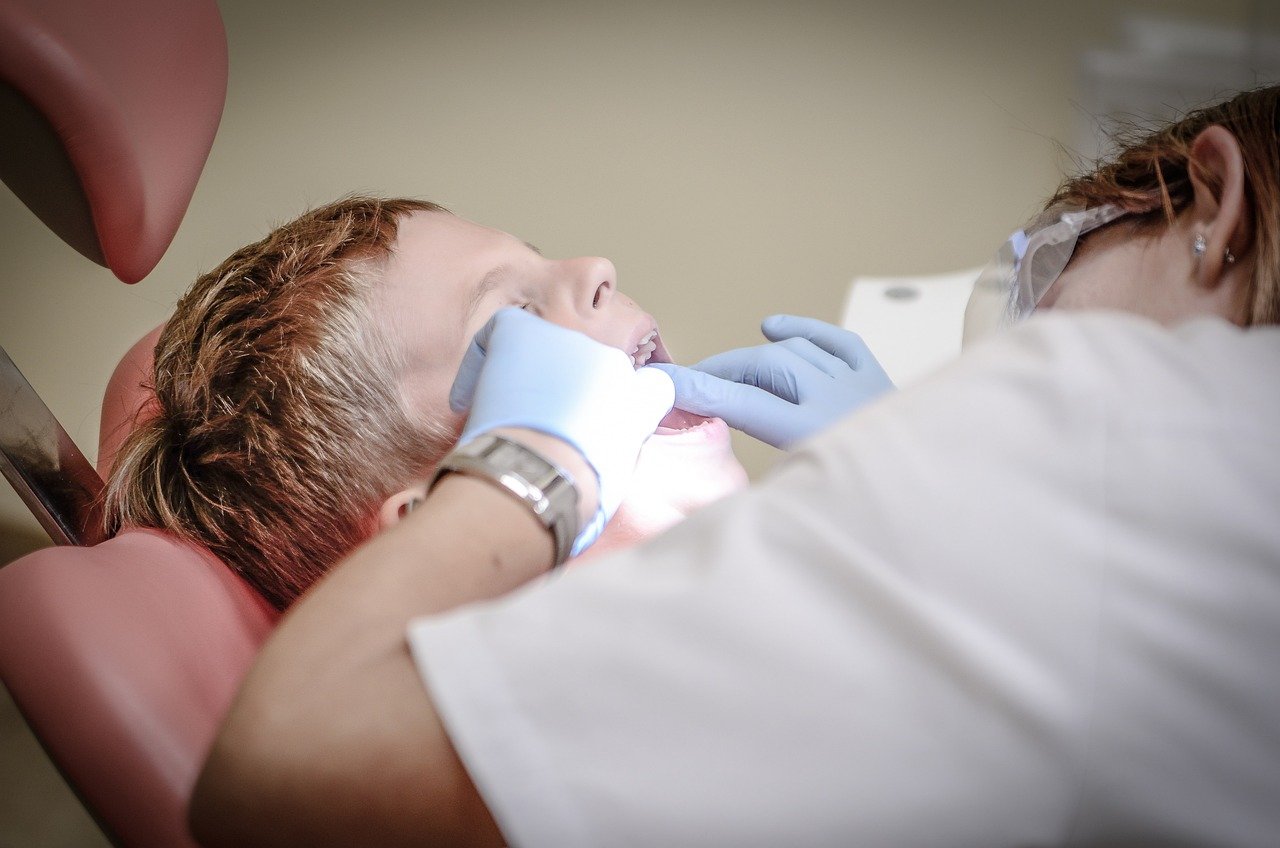
- Regular Dental Visits: Take your child to the dentist for regular check-ups starting around their first birthday or when their first tooth erupts.
Teaching Children About Healthy Eating
Educate children about the importance of healthy eating for their teeth.
- Limit Sugary Snacks and Drinks: Teach children about the dangers of sugary snacks and drinks and encourage them to choose healthy alternatives.
- Lead by Example: Set a good example by eating healthy foods yourself.
- Involve Children in Meal Planning: Involve children in meal planning and grocery shopping to help them learn about healthy food choices.
- Explain the “Sugar Bugs”: Explain the concept of “sugar bugs” to younger children to help them understand why it’s important to limit sugar.
Conclusion
Dental health education is an ongoing process that empowers individuals to take control of their oral health and overall well-being. By understanding the principles of good oral hygiene, making informed dietary choices, and protecting your teeth from damage, you can enjoy a healthy and confident smile for years to come. Remember to prioritize regular dental check-ups and to instill good habits in children from a young age. Your smile is an investment in your health and happiness, so make it a priority.