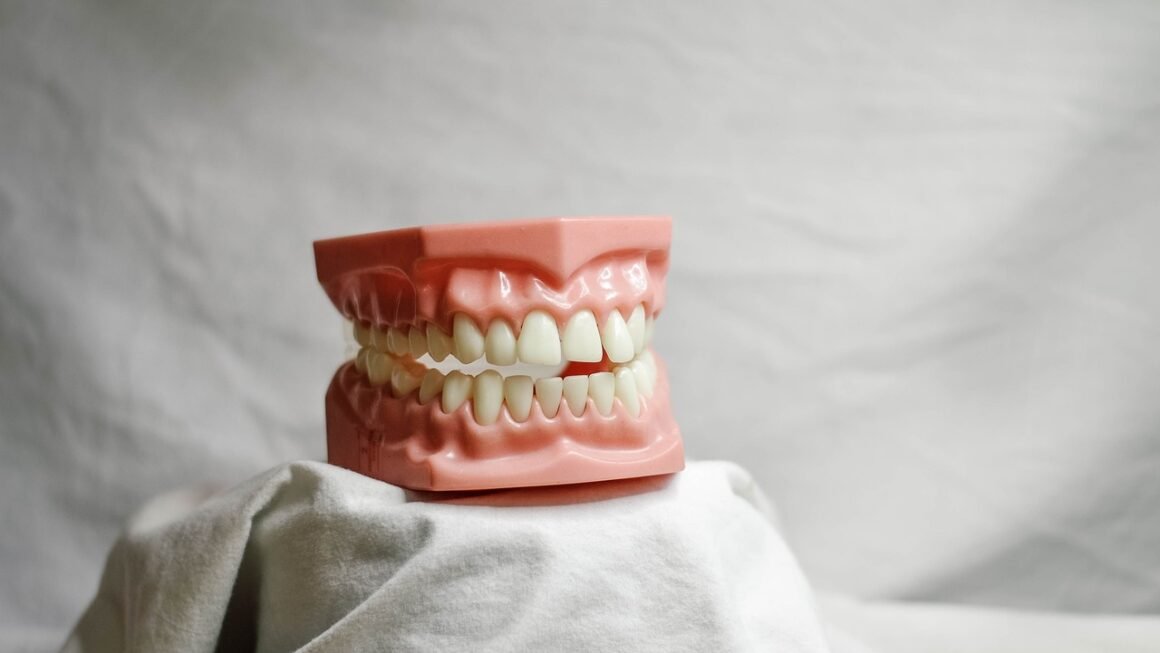
Maintaining a bright, healthy smile is about more than just aesthetics; it’s a critical component of your overall well-being. Neglecting your dental health can lead to a cascade of problems, from painful cavities to serious systemic health issues. In this comprehensive guide, we’ll delve into the essential aspects of dental health awareness, providing you with the knowledge and tools you need to keep your smile sparkling for years to come.
The Importance of Oral Hygiene
Understanding Plaque and Tartar
Plaque is a sticky film of bacteria that constantly forms on your teeth. If not removed through regular brushing and flossing, it hardens into tartar (calculus), which is much more difficult to remove and can only be effectively eliminated by a dental professional. Both plaque and tartar contribute to tooth decay and gum disease.
- Plaque Formation: Bacteria + Food Debris = Plaque
- Tartar Formation: Plaque (unremoved) + Saliva Minerals = Tartar
For example, think of what happens if you leave a dirty dish out overnight. The residue hardens and is much harder to scrub off than if you had washed it immediately. The same principle applies to plaque and tartar.
Brushing Techniques and Frequency
Brushing your teeth is the cornerstone of good oral hygiene. However, the way you brush is just as important as how often.
- Technique: Use a soft-bristled toothbrush and brush at a 45-degree angle to your gums. Use short, gentle strokes, focusing on each tooth individually. Don’t forget to brush the tongue to remove bacteria and freshen breath.
- Frequency: Brush at least twice a day, once in the morning and once before bed.
- Toothbrush Replacement: Replace your toothbrush every three to four months, or sooner if the bristles are frayed.
Actionable Tip: Set a timer for two minutes each time you brush to ensure you’re cleaning thoroughly. Many electric toothbrushes have built-in timers.
The Role of Flossing
Flossing removes plaque and food particles from between your teeth and under the gumline, areas your toothbrush can’t reach. Skipping flossing is like only washing 70% of your body – you’re leaving a significant portion unclean.
- Technique: Use about 18 inches of floss, wrapping it around your middle fingers and using your thumbs and index fingers to guide the floss between your teeth. Gently slide the floss up and down, curving it around each tooth to clean under the gumline.
- Frequency: Floss at least once a day, preferably before bed.
Example: Imagine trying to clean a tight corner with a large brush. Floss is designed to reach those inaccessible areas, making it an essential part of your dental care routine.
Understanding Common Dental Problems
Tooth Decay (Cavities)
Tooth decay, or cavities, is one of the most prevalent dental problems. It’s caused by the acids produced by plaque bacteria that erode the tooth enamel.
- Causes: Sugary and acidic foods and drinks, poor oral hygiene.
- Symptoms: Tooth sensitivity, pain when chewing, visible holes in teeth.
- Prevention: Regular brushing and flossing, fluoride toothpaste, limiting sugary snacks.
Statistics: According to the World Health Organization, dental caries (tooth decay) affects nearly 100% of adults worldwide, with children also being significantly affected.
Gum Disease (Gingivitis and Periodontitis)
Gum disease is an infection of the tissues that support your teeth. Gingivitis is the early stage, characterized by red, swollen, and bleeding gums. If left untreated, it can progress to periodontitis, which can lead to tooth loss.
- Gingivitis Symptoms: Red, swollen, bleeding gums.
- Periodontitis Symptoms: Receding gums, loose teeth, persistent bad breath.
- Risk Factors: Poor oral hygiene, smoking, diabetes, genetics.
Actionable Tip: If you notice any signs of gum disease, schedule an appointment with your dentist immediately. Early treatment can prevent irreversible damage.
Bad Breath (Halitosis)
Bad breath, or halitosis, can be caused by a variety of factors, including poor oral hygiene, dry mouth, and certain medical conditions.
- Common Causes: Bacteria on the tongue, food particles, gum disease.
- Prevention: Regular brushing and flossing, cleaning the tongue, staying hydrated.
Example: Just as you wouldn’t wear dirty clothes, maintaining good oral hygiene helps prevent unpleasant odors.
The Role of Diet in Dental Health
Foods to Promote Dental Health
Certain foods can actually help protect your teeth and gums.
- Dairy Products: Milk, cheese, and yogurt are rich in calcium and phosphorus, which strengthen tooth enamel.
- Crunchy Fruits and Vegetables: Apples, carrots, and celery stimulate saliva production, which helps wash away food particles and neutralize acids.
- Leafy Greens: Spinach and kale are packed with vitamins and minerals that support overall health, including dental health.
- Water: Staying hydrated helps wash away food particles and keeps your mouth moist, preventing dry mouth.
Foods to Limit or Avoid
Conversely, some foods can contribute to tooth decay and other dental problems.
- Sugary Foods and Drinks: Candy, soda, and pastries provide fuel for bacteria, leading to acid production and tooth decay.
- Acidic Foods and Drinks: Citrus fruits, tomatoes, and vinegar can erode tooth enamel. Consume in moderation and rinse your mouth with water afterward.
- Sticky Foods: Gummy candies and dried fruits cling to teeth, prolonging exposure to sugar.
Example: Swapping a sugary soda for a glass of water can significantly reduce your risk of tooth decay.
Professional Dental Care
Regular Check-ups and Cleanings
Regular visits to your dentist are crucial for maintaining optimal dental health. During a check-up, your dentist can detect early signs of tooth decay, gum disease, and other oral health problems.
- Frequency: Most people should visit their dentist every six months.
- What to Expect: Examination of teeth and gums, professional cleaning to remove plaque and tartar, X-rays to detect hidden problems.
Actionable Tip: Schedule your next dental appointment today! Early detection and treatment can save you time, money, and discomfort in the long run.
Dental Treatments and Procedures
If you do develop dental problems, your dentist has a variety of treatments and procedures available to restore your oral health.
- Fillings: To repair cavities.
- Root Canals: To treat infected teeth.
- Crowns: To protect weakened teeth.
- Implants: To replace missing teeth.
- Teeth Whitening: To brighten your smile.
Example: A small cavity can be easily treated with a filling, but if left untreated, it can lead to a root canal or even tooth loss.
Conclusion
Prioritizing dental health awareness is an investment in your overall well-being. By adopting proper oral hygiene practices, making informed dietary choices, and scheduling regular dental check-ups, you can prevent dental problems and maintain a healthy, beautiful smile for life. Remember, a healthy mouth contributes to a healthier you!