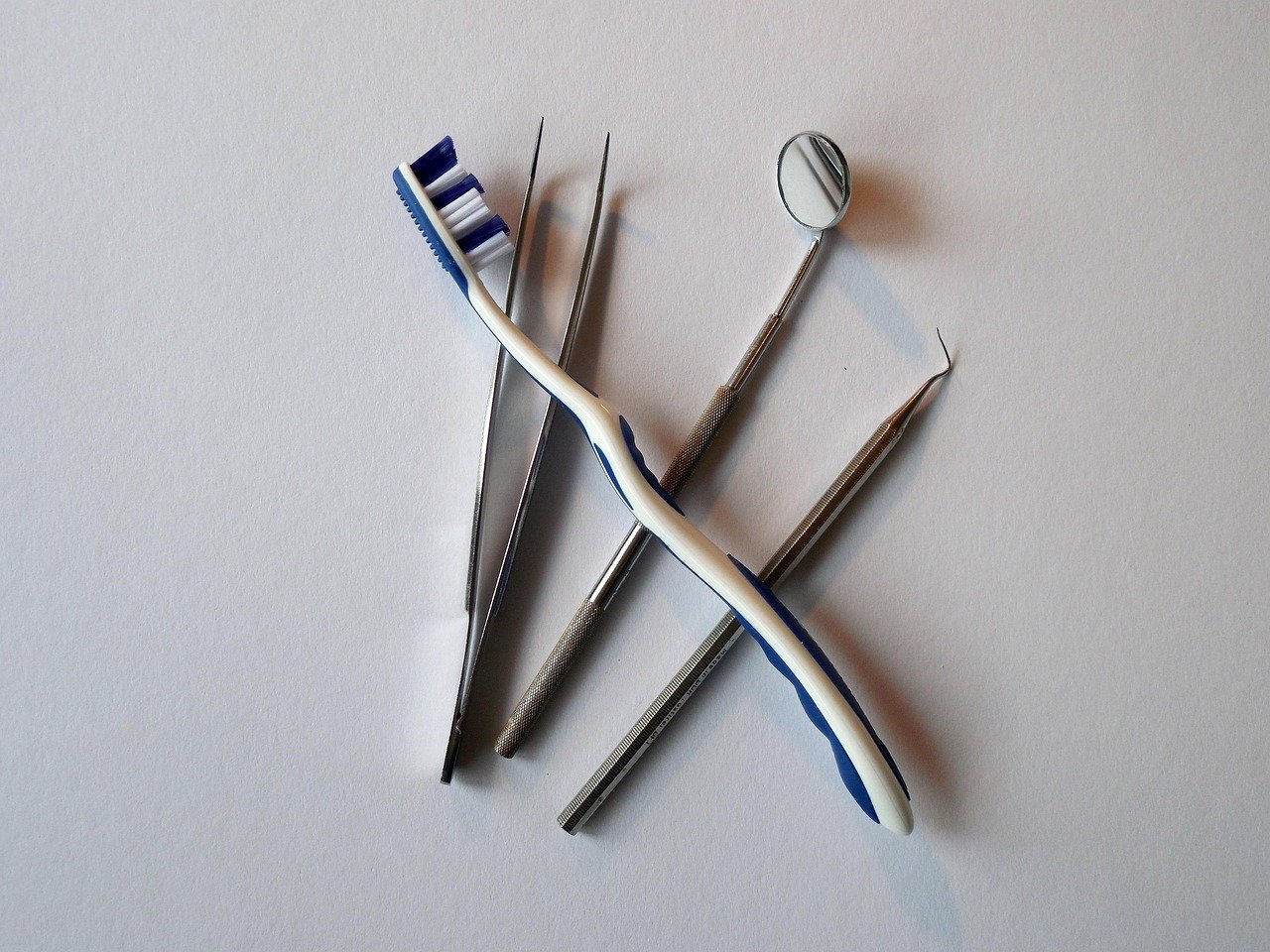
Dental cleanings are a cornerstone of preventative oral health. They help remove plaque and tartar buildup, preventing cavities, gum disease, and other serious health issues. Understanding your dental cleaning coverage is crucial to budgeting for your healthcare and ensuring you receive the necessary preventative care to maintain a healthy and bright smile. This guide breaks down the ins and outs of dental cleaning coverage, helping you navigate your insurance plan and maximize your benefits.
Understanding Dental Insurance Coverage for Cleanings
Navigating the world of dental insurance can feel overwhelming. It’s important to understand the fundamental components of your plan to effectively utilize your benefits for dental cleanings.
Types of Dental Insurance Plans
- Dental Health Maintenance Organizations (DHMOs): These plans typically require you to choose a primary care dentist within the network. You’ll likely need a referral to see a specialist. DHMOs often have lower premiums and out-of-pocket costs, but your choice of dentists is limited. Example: A DHMO plan might require a co-pay of $20 for a dental cleaning after you meet your deductible.
- Preferred Provider Organizations (PPOs): PPOs offer greater flexibility. You can see any dentist you choose, but you’ll typically save money by visiting dentists within the PPO network. PPOs generally have higher premiums than DHMOs. Example: A PPO might cover 80% of the cost of a dental cleaning with an in-network dentist after you’ve met your deductible.
- Indemnity Plans: Also known as “fee-for-service” plans, indemnity plans allow you to see any dentist without needing a referral. You’ll usually pay upfront and then submit a claim for reimbursement. Indemnity plans often have the highest premiums but offer the most flexibility. Example: With an indemnity plan, you might pay the full cost of a cleaning upfront and then receive a check for a percentage of the bill after your claim is processed.
Key Terms to Know
- Premium: The monthly cost you pay for your dental insurance coverage.
- Deductible: The amount you must pay out-of-pocket before your insurance starts covering costs.
- Co-pay: A fixed amount you pay for specific services, like a dental cleaning.
- Co-insurance: The percentage of the cost of a service you’re responsible for after you meet your deductible.
- Annual Maximum: The maximum amount your insurance will pay for dental care in a given year.
- Waiting Period: A period of time you may have to wait after enrolling in a dental plan before you can use certain benefits, such as coverage for major procedures. Many plans don’t have waiting periods for preventative services like cleanings.
- In-network vs. Out-of-network: In-network dentists have agreed to accept negotiated rates with your insurance company. Out-of-network dentists may charge higher fees, and your insurance may cover a smaller percentage of the cost.
- Actionable Takeaway: Review your dental insurance policy carefully to understand these key terms. Knowing your deductible, co-pay, co-insurance, and annual maximum is essential for budgeting for dental care.
Types of Dental Cleanings and Coverage
Not all dental cleanings are created equal. The type of cleaning you need can affect your insurance coverage and out-of-pocket costs.
Prophylaxis (Routine Cleaning)
- This is the most common type of dental cleaning, performed on patients with healthy gums and minimal tartar buildup.
- It involves removing plaque and tartar from above and slightly below the gum line.
- Most dental insurance plans cover routine cleanings at 100%, typically twice a year.
- Example: Sarah has a healthy mouth and no signs of gum disease. Her insurance covers two routine prophylaxis cleanings per year at no cost to her.
Scaling and Root Planing (Deep Cleaning)
- This more intensive cleaning is necessary for patients with gum disease (periodontitis).
- It involves removing plaque and tartar from deep below the gum line and smoothing the tooth roots to help the gums reattach.
- Coverage for scaling and root planing varies depending on the plan. Many plans cover a portion of the cost, but you may have to pay a co-insurance or meet your deductible first.
- Example: John has been diagnosed with mild periodontitis. His dentist recommends scaling and root planing. His insurance covers 50% of the cost after he meets his $100 deductible.
Periodontal Maintenance
- After scaling and root planing, patients with gum disease often need regular periodontal maintenance cleanings to keep the condition under control.
- These cleanings are more frequent than routine prophylaxis cleanings (typically every 3-4 months).
- Coverage for periodontal maintenance varies, and it may be subject to frequency limitations.
- Example: Maria underwent scaling and root planing and now needs periodontal maintenance cleanings every three months. Her insurance covers these cleanings at the same rate as scaling and root planing (50% after deductible).
- Actionable Takeaway: Discuss the type of cleaning you need with your dentist and confirm coverage with your insurance company before your appointment. Understanding the specific procedure code (e.g., D1110 for prophylaxis, D4355 for scaling and root planing) will help you get accurate coverage information.
Maximizing Your Dental Cleaning Coverage
To get the most out of your dental cleaning coverage, consider these strategies:
Preventative Care is Key
- Dental insurance often prioritizes preventative care, so take advantage of your coverage for routine cleanings and exams.
- Regular cleanings can help prevent more serious and costly dental problems in the future.
- Some insurance plans even offer incentives for preventative care, such as waiving the deductible for routine cleanings.
Understanding Frequency Limitations
- Most dental insurance plans limit the number of cleanings they’ll cover in a year (typically two).
- If you need more frequent cleanings due to gum disease or other oral health issues, discuss options with your dentist and insurance company.
- You may be able to appeal for additional coverage or explore alternative financing options.
Choosing an In-network Dentist
- Visiting an in-network dentist can significantly reduce your out-of-pocket costs.
- In-network dentists have agreed to accept negotiated rates with your insurance company, which can save you money on cleanings and other dental procedures.
- Use your insurance company’s online provider directory to find in-network dentists in your area.
- Actionable Takeaway: Prioritize preventative care by scheduling regular dental cleanings. Stay within your insurance plan’s frequency limitations and choose an in-network dentist to minimize your costs.
What to do if Your Dental Cleaning is Not Covered
Even with dental insurance, there are situations where your cleaning may not be fully covered. Here’s what to do:
Verify the Reason for Denial
- Contact your insurance company to understand why your claim was denied. Common reasons include exceeding frequency limitations, going to an out-of-network dentist, or needing a more advanced cleaning than your plan covers.
Appeal the Decision
- If you believe the denial was in error, you have the right to appeal.
- Gather supporting documentation from your dentist, such as a detailed treatment plan and X-rays.
- Follow the appeal process outlined by your insurance company.
Explore Alternative Payment Options
- If your insurance doesn’t cover the full cost of your cleaning, discuss alternative payment options with your dentist.
- Many dental offices offer payment plans or financing options to help you spread out the cost of treatment.
- Consider using a health savings account (HSA) or flexible spending account (FSA) to pay for out-of-pocket dental expenses.
Consider a Dental Savings Plan
- Dental savings plans (also known as dental discount plans) are an alternative to traditional dental insurance.
- You pay an annual fee to join the plan and receive discounted rates on dental services, including cleanings.
- Dental savings plans typically have no waiting periods, annual maximums, or deductibles.
- Actionable Takeaway:* Don’t give up if your dental cleaning is not initially covered. Investigate the reason for denial, appeal if necessary, and explore alternative payment options to ensure you receive the care you need.
Conclusion
Understanding your dental cleaning coverage is essential for maintaining good oral health and managing your healthcare costs. By familiarizing yourself with the different types of dental insurance plans, key insurance terms, and the types of dental cleanings, you can make informed decisions about your dental care. Prioritize preventative care, maximize your insurance benefits, and explore alternative payment options when needed. Regular dental cleanings are a vital investment in your overall health and well-being, and with the right knowledge and planning, you can ensure you receive the care you need without breaking the bank.