Taking care of your smile goes beyond just brushing and flossing at home. Regular dental exams are crucial for maintaining optimal oral health and preventing serious dental problems. These check-ups are your first line of defense against cavities, gum disease, and even oral cancer. Let’s delve into the world of dental exams and discover why they’re an essential part of your overall well-being.
The Importance of Regular Dental Exams
Early Detection and Prevention
One of the most significant benefits of regular dental exams is the early detection of potential dental issues. Dentists can identify problems like tooth decay, gum disease (gingivitis or periodontitis), and oral cancer in their early stages, often before you experience any noticeable symptoms.
For example, a small cavity detected during a routine exam can be treated with a simple filling, preventing the need for a more complex and costly root canal later on. Gum disease, if caught early, can be managed with improved oral hygiene practices and professional cleanings.
Actionable takeaway: Schedule dental exams every six months to ensure early detection and prevention of dental problems.
Maintaining Oral Hygiene
Professional dental cleanings during exams remove plaque and tartar buildup, which can lead to cavities and gum disease. Your dentist or dental hygienist can reach areas that you may miss while brushing and flossing at home. This helps prevent the development of dental issues and keeps your teeth and gums healthy.
For example, tartar, a hardened form of plaque, can only be removed with special dental instruments. Regular cleanings prevent tartar buildup, reducing the risk of gum inflammation and bone loss.
Actionable takeaway: Take advantage of the professional cleaning during your dental exam to remove plaque and tartar buildup.
Comprehensive Oral Health Assessment
During a dental exam, your dentist performs a comprehensive assessment of your oral health, including:
- Visual examination of your teeth and gums
- Evaluation of your bite and jaw alignment
- Checking for signs of oral cancer
- Assessing the condition of existing fillings, crowns, and other dental restorations
This thorough evaluation allows your dentist to identify any potential problems and recommend appropriate treatment plans. For instance, if your dentist notices signs of bruxism (teeth grinding), they may recommend a night guard to protect your teeth.
Actionable takeaway: Be open with your dentist about any concerns or symptoms you’re experiencing so they can accurately assess your oral health.
What to Expect During a Dental Exam
Initial Consultation and Review of Medical History
Your dental exam typically begins with a brief consultation with your dentist or a member of their team. This is an opportunity to discuss any concerns or symptoms you may be experiencing, as well as review your medical history. Sharing your medical history is crucial because certain medical conditions and medications can affect your oral health.
For example, if you have diabetes, you may be more prone to gum disease. Certain medications can also cause dry mouth, increasing your risk of tooth decay.
Actionable takeaway: Be prepared to provide a complete medical history to your dentist, including any medications you’re taking.
Visual Examination and Diagnostic Tests
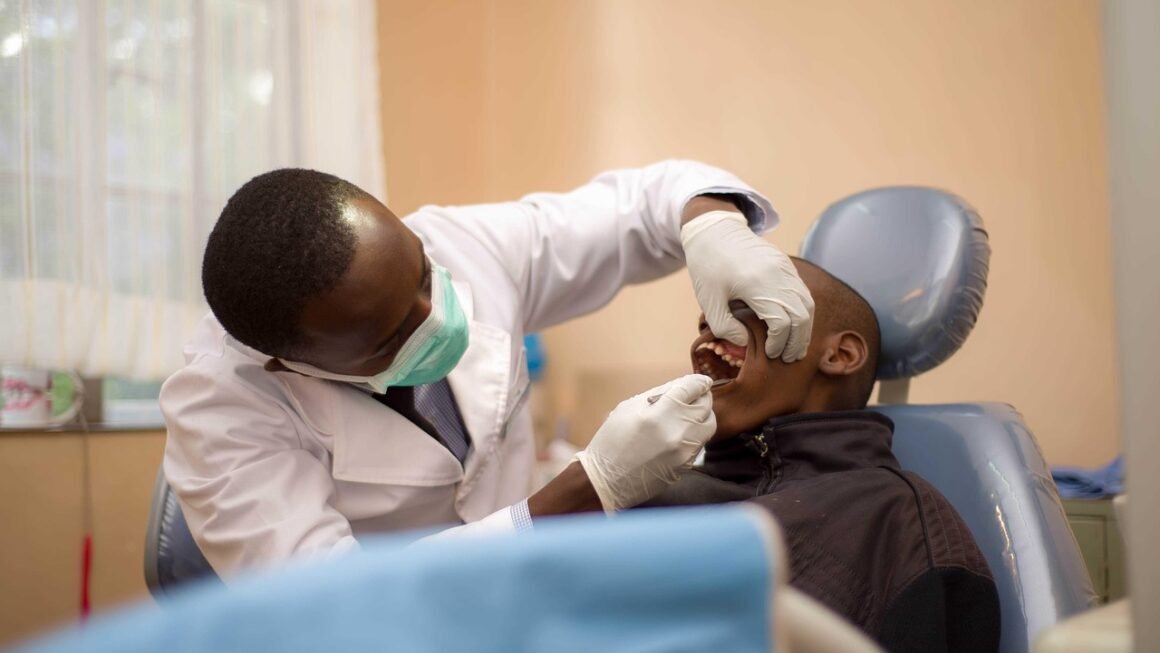
Next, your dentist will perform a thorough visual examination of your teeth, gums, and oral tissues. They will use a small mirror and other dental instruments to check for signs of cavities, gum disease, and other abnormalities. Diagnostic tests, such as X-rays, may also be taken to provide a more detailed view of your teeth and jawbone.
For example, X-rays can reveal cavities that are not visible to the naked eye, as well as assess the health of the bone supporting your teeth. They can also help detect cysts or tumors in the jaw.
Actionable takeaway: Understand the purpose of any diagnostic tests your dentist recommends and don’t hesitate to ask questions.
Professional Cleaning
After the examination, a dental hygienist will perform a professional cleaning to remove plaque and tartar from your teeth. This involves using specialized instruments to scrape away buildup from the surface of your teeth and along the gum line. Your teeth will then be polished with a special paste to remove stains and make them smooth.
For example, ultrasonic scalers can be used to remove stubborn tartar deposits. Air polishing systems can also be used to remove surface stains and debris.
Actionable takeaway: Follow the hygienist’s instructions on how to improve your oral hygiene routine at home.
Benefits of Regular Dental Exams
Prevention of Tooth Decay and Gum Disease
As mentioned earlier, regular dental exams are crucial for preventing tooth decay and gum disease. Early detection and treatment can prevent these conditions from progressing and causing more serious problems.
- Fluoride treatments can strengthen tooth enamel and make it more resistant to decay.
- Professional cleanings remove plaque and tartar, reducing the risk of gum inflammation.
- Regular check-ups allow your dentist to monitor your oral health and identify any potential problems before they become severe.
Actionable takeaway: Make sure to follow your dentist’s recommendations for preventative treatments and home care.
Detection of Oral Cancer
Dental exams can also play a vital role in the early detection of oral cancer. Your dentist will examine your mouth for any signs of suspicious lesions or abnormalities. Early detection is crucial for improving the chances of successful treatment.
For instance, dentists are trained to recognize early signs of oral cancer, such as red or white patches, sores that don’t heal, or lumps in the mouth or throat. Studies show that early detection drastically increases survival rates for oral cancer patients.
Actionable takeaway: Be aware of any changes in your mouth and report them to your dentist immediately.
Improved Overall Health
Maintaining good oral health is linked to improved overall health. Studies have shown a connection between gum disease and other health problems, such as heart disease, diabetes, and respiratory infections. By taking care of your teeth and gums, you can reduce your risk of developing these conditions.
For example, inflammation from gum disease can contribute to the development of atherosclerosis, a condition that can lead to heart attacks and strokes.
Actionable takeaway: Recognize the link between oral health and overall health and prioritize regular dental care.
Common Dental Procedures Performed During or After an Exam
Fillings
If your dentist discovers a cavity during your exam, they will likely recommend a filling. Fillings are used to repair damaged teeth and restore their function and appearance. There are several types of filling materials available, including:
- Amalgam (silver) fillings
- Composite (tooth-colored) fillings
- Gold fillings
- Ceramic fillings
The choice of filling material will depend on the location and size of the cavity, as well as your personal preferences.
Actionable takeaway: Discuss the different filling options with your dentist to determine which is best for you.
Root Canals
If a cavity is left untreated, it can progress to the point where it infects the pulp of the tooth (the soft tissue inside the tooth that contains nerves and blood vessels). In this case, a root canal may be necessary to save the tooth. During a root canal, the infected pulp is removed, and the tooth is cleaned and sealed.
While root canals have a bad reputation, they are actually a relatively painless procedure when performed by a skilled dentist. They can save your natural tooth and prevent the need for an extraction.
Actionable takeaway: Follow your dentist’s recommendations for root canal treatment to save your natural tooth.
Extractions
In some cases, a tooth may be too damaged or infected to save and will need to be extracted. Extractions are also commonly performed for wisdom teeth that are impacted or causing problems.
After an extraction, your dentist may recommend replacing the missing tooth with a dental implant, bridge, or partial denture to prevent shifting of your other teeth and maintain proper bite function.
Actionable takeaway: Discuss tooth replacement options with your dentist after an extraction to maintain your oral health and appearance.
Preparing for Your Dental Exam
Gather Your Medical History
Before your exam, take some time to gather your medical history, including any medications you’re taking, allergies you have, and medical conditions you’ve been diagnosed with. This information will help your dentist provide you with the best possible care.
Actionable takeaway: Make a list of your medications and medical conditions to bring to your appointment.
Write Down Any Questions or Concerns
It’s helpful to write down any questions or concerns you have about your oral health before your exam. This will ensure that you don’t forget to ask them during your appointment.
Actionable takeaway: Prepare a list of questions to ask your dentist during your exam.
Maintain Good Oral Hygiene Before the Exam
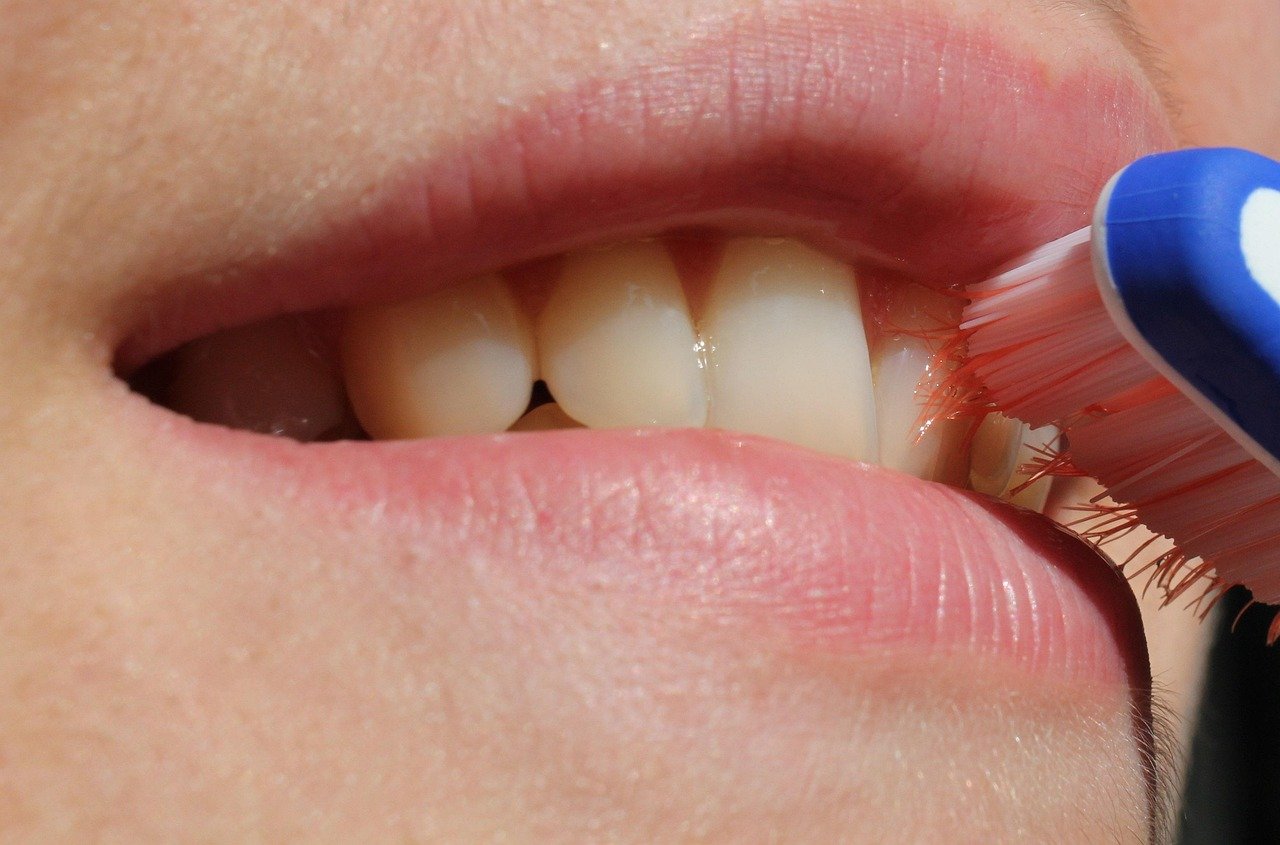
While it’s important to maintain good oral hygiene every day, it’s especially important to do so before your dental exam. Brush and floss your teeth thoroughly the day before and the day of your appointment. This will help remove plaque and tartar and make it easier for the hygienist to clean your teeth.
Actionable takeaway: Brush and floss thoroughly before your dental exam.
Conclusion
Regular dental exams are an investment in your oral health and overall well-being. By scheduling check-ups every six months, you can prevent dental problems, detect oral cancer early, and maintain a healthy, beautiful smile. Don’t delay – make an appointment with your dentist today!