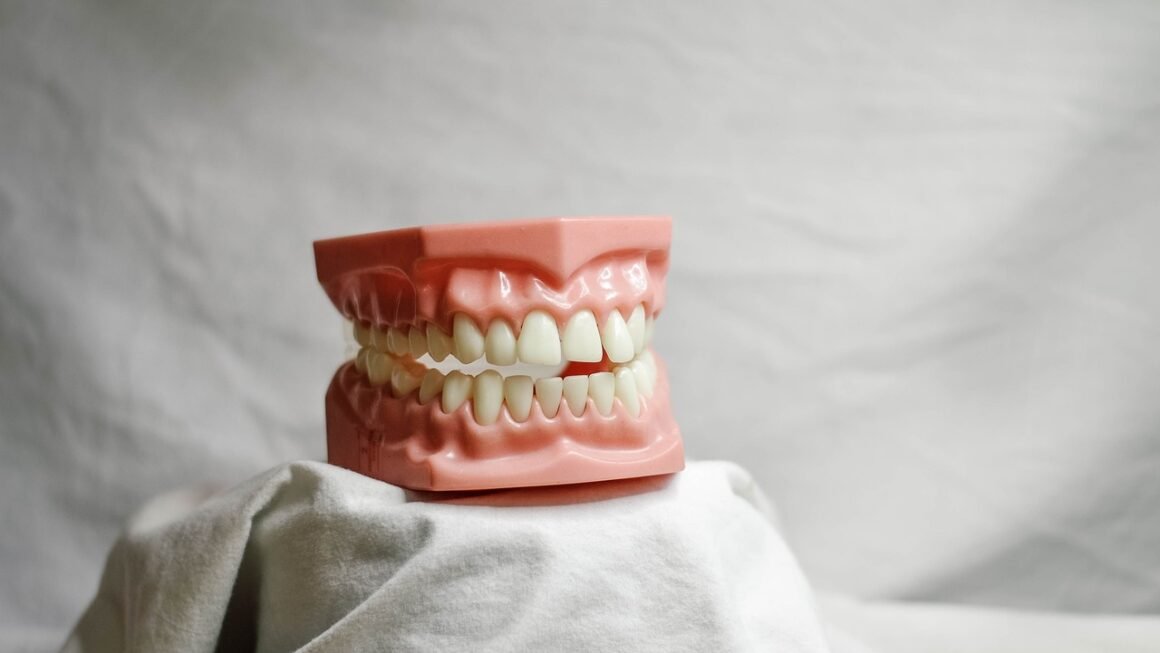
Maintaining excellent dental hygiene as an adult is more than just having a bright smile; it’s a critical component of overall health. From preventing cavities and gum disease to reducing the risk of more serious systemic conditions, a consistent oral care routine is an investment in your long-term well-being. This comprehensive guide provides detailed insights and practical tips to help you achieve and maintain optimal dental health.
The Importance of a Daily Oral Hygiene Routine
Brushing Techniques for a Healthy Smile
Brushing your teeth is the cornerstone of good dental hygiene. It removes plaque and food particles, preventing cavities and gum disease. However, simply brushing isn’t enough; technique matters.
- Frequency: Brush at least twice a day, ideally after meals and before bed.
- Technique: Use a soft-bristled toothbrush and fluoride toothpaste. Position the brush at a 45-degree angle to your gums. Use gentle, circular motions to clean each tooth, ensuring you reach all surfaces – front, back, and chewing surfaces.
- Duration: Spend at least two minutes brushing. Many electric toothbrushes have built-in timers to help you track your time.
- Example: Imagine dividing your mouth into quadrants. Spend 30 seconds on each quadrant, focusing on proper technique rather than rushing through.
- Toothbrush Care: Replace your toothbrush every three to four months or sooner if the bristles are frayed. Rinse your toothbrush thoroughly after each use and store it in an upright position to air dry.
The Power of Flossing
Flossing removes plaque and food particles from between your teeth and under the gumline, areas that your toothbrush can’t reach. Neglecting to floss can lead to gum disease and tooth decay.
- Frequency: Floss at least once a day, preferably before bedtime.
- Technique: Use about 18 inches of floss, wrapping it around your middle fingers and using your thumbs and forefingers to guide the floss between your teeth. Gently slide the floss up and down against each tooth, making sure to go below the gumline. Use a fresh section of floss for each tooth.
- Alternatives: If you find traditional flossing difficult, consider using floss picks, interdental brushes, or water flossers. These can be easier to maneuver and can be especially helpful if you have braces or tight teeth.
- Example: Start with a difficult-to-reach area, like the back molars. This ensures you don’t become fatigued and skip these important areas.
- Bleeding Gums: If your gums bleed when you floss, it’s often a sign of inflammation. Continue flossing gently, and the bleeding should subside as your gums become healthier. If bleeding persists, consult your dentist.
The Benefits of Mouthwash
Mouthwash can supplement your brushing and flossing routine by killing bacteria, freshening breath, and preventing plaque buildup.
- Types of Mouthwash:
Fluoride Mouthwash: Helps strengthen tooth enamel and prevent cavities.
Antiseptic Mouthwash: Kills bacteria that cause bad breath and gum disease.
* Cosmetic Mouthwash: Freshens breath but doesn’t provide significant dental health benefits.
- How to Use Mouthwash: Rinse your mouth with mouthwash for 30 seconds after brushing and flossing. Avoid swallowing the mouthwash.
- Example: Choose an antiseptic mouthwash containing chlorhexidine if you have gum disease or are recovering from oral surgery (under the guidance of your dentist).
- Important Note: Mouthwash is not a substitute for brushing and flossing. It’s an adjunct to your regular oral hygiene routine.
Dietary Habits and Dental Health
Foods to Limit for a Healthier Smile
Your diet plays a significant role in your dental health. Certain foods and drinks can erode tooth enamel, contribute to plaque buildup, and increase your risk of cavities.
- Sugary Foods and Drinks: Bacteria in your mouth feed on sugar, producing acids that attack your tooth enamel. Limit your intake of sugary snacks, candies, sodas, and fruit juices.
- Acidic Foods and Drinks: Acidic foods and drinks, such as citrus fruits, vinegar, and carbonated beverages, can erode tooth enamel over time. Rinse your mouth with water after consuming acidic foods or drinks.
- Sticky Foods: Sticky foods, such as caramel and gummy candies, cling to your teeth, providing bacteria with a prolonged source of fuel.
- Example: Instead of snacking on a candy bar, opt for a piece of cheese or some nuts. These foods are lower in sugar and can actually help neutralize acids in your mouth.
Foods That Promote Strong Teeth
Certain foods can help strengthen tooth enamel and promote overall dental health.
- Dairy Products: Dairy products, such as milk, cheese, and yogurt, are rich in calcium and phosphorus, which are essential for strong teeth.
- Fruits and Vegetables: Crunchy fruits and vegetables, such as apples, carrots, and celery, stimulate saliva production, which helps neutralize acids and wash away food particles.
- Leafy Greens: Leafy greens, such as spinach and kale, are rich in vitamins and minerals that are essential for healthy gums and teeth.
- Water: Drinking plenty of water helps keep your mouth hydrated and washes away food particles and bacteria.
- Example: Include a side salad with your lunch or dinner. The chewing action can help clean your teeth.
The Impact of Hydration on Oral Health
Staying hydrated is crucial for saliva production, which plays a vital role in protecting your teeth.
- Saliva’s Role: Saliva helps neutralize acids, wash away food particles, and remineralize tooth enamel.
- Dehydration’s Effects: Dehydration can lead to dry mouth, which increases your risk of cavities and gum disease.
- Recommendations: Drink at least eight glasses of water a day. Carry a water bottle with you and sip throughout the day.
- Example: Keep a glass of water by your bedside to sip on during the night if you wake up with a dry mouth.
Regular Dental Check-ups and Professional Cleanings
The Importance of Routine Dental Visits
Regular dental check-ups are essential for preventing and detecting dental problems early on.
- Frequency: Visit your dentist for a check-up and cleaning every six months, or as recommended by your dentist.
- What to Expect: During a dental check-up, your dentist will examine your teeth and gums for signs of decay, gum disease, and other oral health problems. They will also perform a professional cleaning to remove plaque and tartar.
- Benefits: Early detection of dental problems can prevent them from becoming more serious and expensive to treat. Regular cleanings can remove plaque and tartar that you can’t remove at home, reducing your risk of gum disease.
- Example: Don’t wait until you have a toothache to see your dentist. Regular check-ups can help prevent toothaches and other dental problems.
Professional Cleaning Techniques
Professional dental cleanings remove plaque and tartar from your teeth, preventing gum disease and tooth decay.
- Scaling and Root Planing: Scaling removes plaque and tartar from the surface of your teeth, while root planing smooths the surfaces of your tooth roots to prevent plaque from accumulating.
- Polishing: Polishing removes stains and smooths the surfaces of your teeth, making it more difficult for plaque to adhere.
- Fluoride Treatment: Fluoride treatment strengthens tooth enamel and prevents cavities.
- Example: Ask your dental hygienist about specific areas of your mouth where plaque tends to accumulate. This knowledge will help you focus your home care efforts.
Addressing Specific Dental Concerns
During your dental visits, address any specific concerns you have about your oral health.
- Gum Disease: Discuss any signs of gum disease, such as bleeding gums, swollen gums, or receding gums.
- Tooth Sensitivity: Talk to your dentist about tooth sensitivity, which can be caused by enamel erosion, gum recession, or tooth decay.
- Bad Breath: Discuss persistent bad breath, which can be a sign of poor oral hygiene, gum disease, or other health problems.
- Example: Be honest with your dentist about your oral hygiene habits. This will help them provide you with personalized advice and recommendations.
Lifestyle Factors and Oral Health
The Impact of Smoking and Tobacco Use
Smoking and tobacco use have a significant negative impact on oral health.
- Increased Risk of Gum Disease: Smoking weakens the immune system, making it harder for the body to fight off gum disease.
- Increased Risk of Oral Cancer: Smoking is a major risk factor for oral cancer.
- Stained Teeth: Smoking stains teeth and causes bad breath.
- Delayed Healing: Smoking delays healing after dental procedures.
- Recommendation: Quit smoking or using tobacco products to improve your oral health and overall health.
- Example: Talk to your doctor or dentist about resources to help you quit smoking.
Managing Stress and Oral Health
Stress can have a negative impact on oral health.
- Teeth Grinding (Bruxism): Stress can lead to teeth grinding, which can damage your teeth and cause jaw pain.
- Poor Oral Hygiene: Stress can lead to neglecting oral hygiene.
- Mouth Sores: Stress can trigger mouth sores, such as canker sores.
- Recommendations: Practice stress-reducing techniques, such as exercise, meditation, or yoga. If you grind your teeth, talk to your dentist about a night guard.
- Example: Try to incorporate a relaxing activity into your daily routine, such as reading a book or taking a bath.
Medications and Their Effect on Oral Health
Certain medications can have side effects that impact oral health.
- Dry Mouth: Some medications can cause dry mouth, which increases the risk of cavities and gum disease.
- Gum Overgrowth: Some medications can cause gum overgrowth, which can make it difficult to clean your teeth.
- Taste Changes: Some medications can cause taste changes.
- Recommendations: Talk to your doctor or dentist about the potential side effects of your medications. If you experience dry mouth, drink plenty of water and consider using a saliva substitute.
- Example: If you are taking a medication that causes dry mouth, avoid sugary drinks and snacks, which can further increase your risk of cavities.
Conclusion
Maintaining optimal dental hygiene as an adult requires a consistent and comprehensive approach. By implementing the strategies outlined in this guide – including proper brushing and flossing techniques, dietary modifications, regular dental check-ups, and addressing lifestyle factors – you can protect your teeth and gums, prevent dental problems, and enjoy a healthy, confident smile for years to come. Remember that consistency and proactive care are the keys to long-term oral health success. Schedule your next dental appointment today to ensure you’re on the right track!