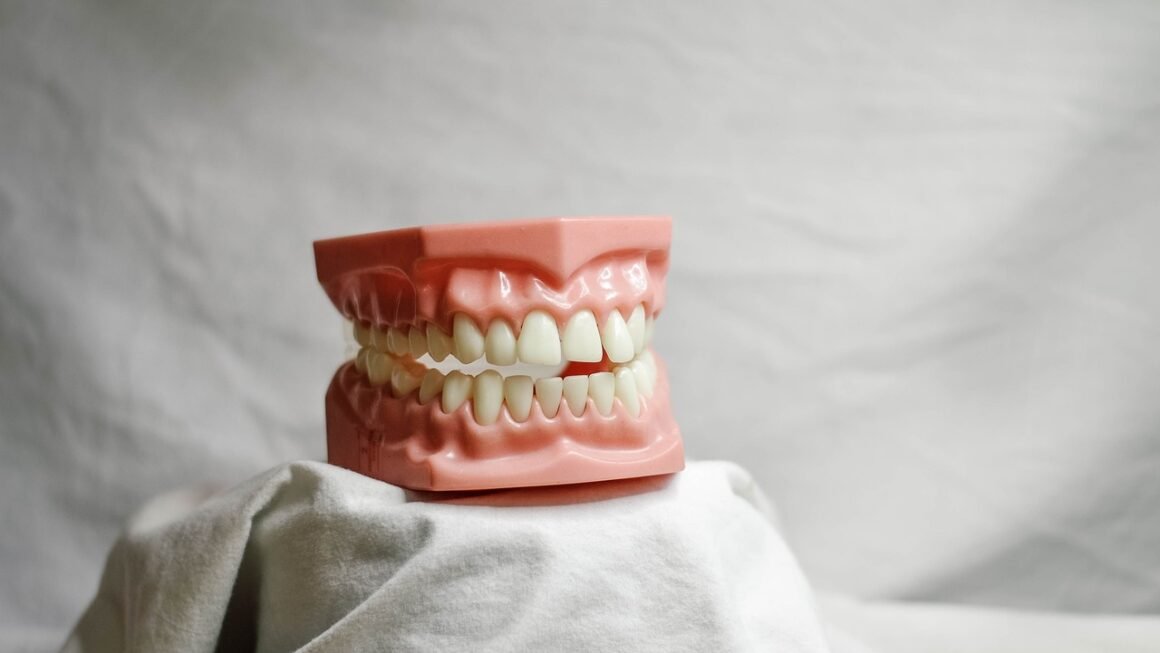
Maintaining a healthy smile goes beyond aesthetics; it’s a cornerstone of overall well-being. Neglecting oral hygiene can lead to a cascade of problems, from cavities and gum disease to more serious systemic health issues. Establishing a consistent and effective oral hygiene routine is therefore paramount. This comprehensive guide will walk you through the essential steps to ensure a healthy and radiant smile for years to come.
The Foundation: Brushing Techniques
Brushing is the bedrock of any good oral hygiene routine. It effectively removes plaque and food particles, preventing the buildup that leads to cavities and gum disease.
Choosing the Right Brush
- Bristle Type: Opt for a soft-bristled toothbrush. Medium and hard bristles can damage enamel and irritate gums.
- Size and Shape: Select a brush head that comfortably reaches all areas of your mouth, including the back teeth.
- Electric vs. Manual: Both are effective. Electric toothbrushes often have built-in timers and pressure sensors that can aid in proper brushing technique.
The Correct Brushing Method
- Angle: Hold the toothbrush at a 45-degree angle to your gums.
- Motion: Use gentle, short, circular motions. Avoid scrubbing aggressively, as this can damage your gums and enamel.
- Coverage: Brush all surfaces of each tooth – the outer surface, the inner surface, and the chewing surface.
- Duration: Brush for at least two minutes, twice a day – once in the morning and once before bed. A study published in the Journal of the American Dental Association found that brushing for two minutes removes significantly more plaque than brushing for one minute.
- Tongue Cleaning: Don’t forget to brush your tongue to remove bacteria and freshen your breath.
When to Replace Your Toothbrush
- Replace your toothbrush every three months, or sooner if the bristles are frayed. Worn bristles are less effective at cleaning teeth.
- Always replace your toothbrush after you’ve been sick to prevent re-infection.
The Essential Partner: Flossing
Flossing is crucial for removing plaque and food particles from between your teeth, areas that your toothbrush can’t reach.
Types of Floss
- Waxed vs. Unwaxed: Waxed floss may slide more easily between tight teeth.
- Flavored vs. Unflavored: Personal preference.
- Dental Tape: Wider and flatter than regular floss, often preferred for people with larger spaces between their teeth.
- Floss Picks: Convenient for on-the-go flossing, but may not be as effective as traditional floss for reaching all areas.
The Correct Flossing Technique
- Length: Use about 18 inches of floss.
- Grip: Wrap the floss around your middle fingers, leaving a few inches to work with.
- Guidance: Gently guide the floss between your teeth using a sawing motion.
- Contour: Curve the floss into a “C” shape around each tooth, making sure to go below the gum line.
- Motion: Use an up-and-down motion to scrape the plaque and debris away from the tooth.
- New Section: Use a clean section of floss for each tooth.
- Frequency: Floss at least once a day, preferably before bed.
Rinse and Refresh: Mouthwash
Mouthwash offers additional benefits, such as reducing plaque, freshening breath, and preventing gingivitis.
Types of Mouthwash
- Fluoride Mouthwash: Helps strengthen tooth enamel and prevent cavities.
- Antiseptic Mouthwash: Kills bacteria and reduces plaque and gingivitis. Look for ingredients like chlorhexidine gluconate (prescription only) or essential oils.
- Cosmetic Mouthwash: Primarily freshens breath and masks bad odors.
How to Use Mouthwash Effectively
- Timing: Rinse after brushing and flossing.
- Dosage: Use the amount recommended on the product label.
- Duration: Swish for 30-60 seconds, then spit out. Do not swallow.
- Avoid Eating/Drinking: Refrain from eating or drinking for at least 30 minutes after using mouthwash.
Important Considerations
- Mouthwash is not a substitute for brushing and flossing. It’s an adjunct to your oral hygiene routine.
- Alcohol-based mouthwashes can dry out your mouth. Consider alcohol-free options if you experience dry mouth.
Beyond the Basics: Diet and Lifestyle
Your diet and lifestyle play a significant role in your oral health.
Diet’s Impact
- Limit Sugary Foods and Drinks: Sugar feeds bacteria in your mouth, leading to acid production and tooth decay.
- Acidic Foods and Drinks: Acid erodes tooth enamel. Limit consumption of citrus fruits, sodas, and energy drinks.
- Hydration: Drink plenty of water throughout the day to help wash away food particles and keep your mouth hydrated.
- Nutrient-Rich Foods: Eat a balanced diet rich in fruits, vegetables, and whole grains to provide your teeth and gums with the nutrients they need.
Lifestyle Choices
- Smoking: Smoking significantly increases the risk of gum disease, tooth loss, and oral cancer. Quitting smoking is one of the best things you can do for your oral and overall health.
- Alcohol Consumption: Excessive alcohol consumption can dry out your mouth and increase the risk of oral cancer.
- Stress Management: Stress can lead to teeth grinding (bruxism), which can damage your teeth. Practice stress-reducing activities such as yoga, meditation, or deep breathing exercises.
Professional Cleanings and Check-ups
- Schedule regular dental check-ups and cleanings with your dentist. The American Dental Association recommends visiting your dentist at least once or twice a year.
- Professional cleanings remove plaque and tartar that you can’t remove at home.
- Your dentist can also identify and treat any potential problems early on.
Addressing Specific Concerns
Dry Mouth
- Use alcohol-free mouthwash.
- Drink plenty of water.
- Chew sugar-free gum or suck on sugar-free candies to stimulate saliva production.
- Consider using a saliva substitute.
- Consult your dentist or doctor if dry mouth persists.
Sensitive Teeth
- Use a toothpaste specifically designed for sensitive teeth. These toothpastes contain ingredients that block pain signals.
- Use a soft-bristled toothbrush.
- Avoid acidic foods and drinks.
- Consult your dentist if sensitivity persists or worsens.
Gum Disease
- Practice excellent oral hygiene.
- See your dentist regularly for cleanings and check-ups.
- Your dentist may recommend special treatments, such as scaling and root planing, to remove plaque and tartar from below the gum line.
Conclusion
Establishing and maintaining a consistent oral hygiene routine is an investment in your long-term health. By following the guidelines outlined in this guide – including proper brushing and flossing techniques, incorporating mouthwash, making healthy dietary and lifestyle choices, and scheduling regular dental visits – you can significantly reduce your risk of dental problems and enjoy a healthy, radiant smile for years to come. Remember, consistency is key. Make oral hygiene a non-negotiable part of your daily routine.