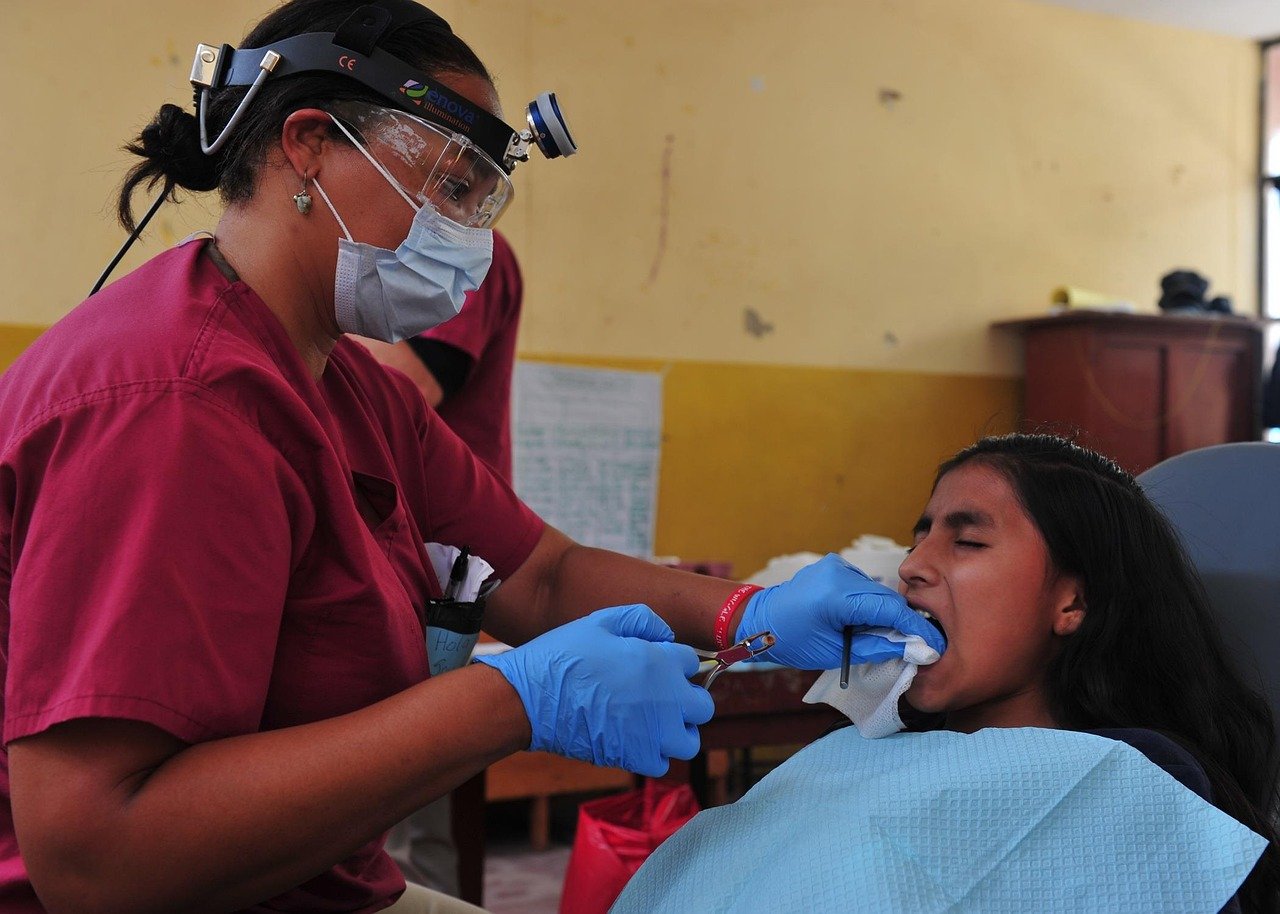
Dental insurance can be a lifesaver when unexpected oral health issues arise. However, understanding the intricacies of dental insurance plans, especially the dreaded waiting periods, is crucial to avoid financial surprises and ensure timely access to the dental care you need. This comprehensive guide will demystify dental waiting periods, helping you navigate the process with confidence.
What are Dental Waiting Periods?
Definition and Purpose
A dental waiting period is a set length of time that you must be enrolled in a dental insurance plan before you’re eligible to receive coverage for certain dental procedures. Insurance companies implement waiting periods to prevent individuals from signing up for coverage, obtaining immediate expensive treatments, and then canceling their policies, a practice known as adverse selection.
Think of it like this: if there were no waiting periods, someone knowing they needed a $5,000 root canal could sign up for a plan, get the procedure covered immediately, and then cancel the insurance, leaving the insurance company to foot the bill. Waiting periods protect the insurance company’s financial stability and keep premiums affordable for everyone.
Common Waiting Period Lengths
Waiting periods vary depending on the insurance provider and the type of coverage. Here’s a general breakdown:
- Preventive Care: Often covered immediately or after a short waiting period (e.g., a few weeks). This includes cleanings, routine exams, and X-rays.
- Basic Procedures: Usually involve a 3- to 6-month waiting period. Basic procedures typically include fillings, simple extractions, and periodontal scaling.
- Major Procedures: These have the longest waiting periods, often ranging from 6 to 12 months or even longer. Major procedures can include crowns, bridges, dentures, implants, root canals, and oral surgery.
Example: Let’s say you enroll in a dental insurance plan with a 6-month waiting period for basic procedures and a 12-month waiting period for major procedures. If you need a filling (basic) after 4 months, you’ll likely have to pay out of pocket. However, if you need a cleaning (preventive), it might be covered right away.
Factors Influencing Waiting Periods
Several factors can influence the length of dental waiting periods:
- Type of Plan: HMO (Health Maintenance Organization) plans may have shorter or no waiting periods compared to PPO (Preferred Provider Organization) plans.
- Insurance Provider: Different insurance companies have different policies regarding waiting periods.
- Employer-Sponsored vs. Individual Plans: Employer-sponsored plans often have shorter or waived waiting periods as part of a group benefit package.
- Previous Coverage: Some insurance companies may waive waiting periods if you can provide proof of prior continuous dental coverage.
Types of Dental Procedures and Waiting Periods
Preventive Care: Immediate or Short Waiting Period
Preventive care is crucial for maintaining good oral health and preventing more serious issues from developing. Because of this, most plans cover preventive services with little to no waiting period.
- What’s Included:
Routine dental exams
Professional teeth cleanings
X-rays
Fluoride treatments
- Typical Waiting Period: 0-3 months. Some plans may offer immediate coverage.
Actionable Takeaway: Even if you have a longer waiting period for other procedures, prioritize preventive care visits as soon as your coverage begins. This helps maintain your oral health and establish a relationship with your dentist.
Basic Procedures: Moderate Waiting Period
Basic procedures address common dental issues but aren’t considered major interventions. Waiting periods for these procedures are typically moderate in length.
- What’s Included:
Fillings (composite and amalgam)
Simple tooth extractions
Periodontal scaling and root planing (for gum disease)
Emergency pain relief
- Typical Waiting Period: 3-6 months
Example: Imagine you have a cavity filled 5 months after enrolling in a plan with a 6-month waiting period for basic services. You’ll likely need to pay out-of-pocket for the filling. However, if you’d waited another month, it would be covered (subject to your plan’s deductible and co-insurance).
Major Procedures: Longest Waiting Period
Major dental procedures are more complex and expensive, leading to the longest waiting periods. Planning ahead is essential if you anticipate needing these services.
- What’s Included:
Crowns
Bridges
Dentures (full and partial)
Dental implants
Root canals
Oral surgery
- Typical Waiting Period: 6-12 months or longer
Important Note: Cosmetic procedures like teeth whitening are often not covered by dental insurance, regardless of any waiting period.
Strategies for Managing Dental Waiting Periods
Plan Ahead
The best way to manage dental waiting periods is to plan ahead. If you know you’ll need dental work in the future (e.g., replacing a missing tooth with an implant), enroll in a dental insurance plan well in advance of the anticipated procedure date.
Explore Options with No Waiting Periods
Some dental insurance plans offer no waiting periods, particularly for preventive care. While these plans may have higher premiums or other limitations, they can be a good option if you need immediate coverage. Carefully compare the coverage benefits, monthly premiums, and other plan details of the plan with a waiting period versus the one with no waiting period.
Negotiate with Your Dentist
If you face a waiting period and need treatment urgently, talk to your dentist about payment options. Some dentists offer payment plans or discounts for patients paying out-of-pocket. You can also research dental schools in your area; they often offer significantly reduced rates for dental work performed by supervised students.
Consider Discount Dental Plans
Dental discount plans are not insurance, but rather membership programs that provide discounts on dental services at participating providers. These plans typically don’t have waiting periods, making them a viable alternative for immediate savings.
- Pros:
No waiting periods
Lower annual fees compared to insurance premiums
Discounts on a wide range of services
- Cons:
Limited provider network
You pay out-of-pocket at a discounted rate
Not accepted by all dentists
How to Find Dental Insurance Information on Waiting Periods
Review Policy Documents Carefully
The most reliable source of information about waiting periods is your dental insurance policy document. This document should clearly state the waiting periods for different types of procedures.
Contact Your Insurance Provider
If you have any questions or need clarification about the waiting periods, contact your insurance provider directly. They can provide specific details about your plan and answer any questions you may have.
Check the Insurance Company Website
Most insurance companies have detailed information about their plans on their websites, including information about waiting periods. Look for a “Summary of Benefits” or “Plan Documents” section.
Tip: Before selecting a dental plan, always compare multiple providers and plans to find the best fit for your individual needs and budget. Pay close attention to the waiting periods, coverage limits, and provider network.
Conclusion
Understanding dental waiting periods is essential for making informed decisions about your oral health and financial planning. By planning ahead, exploring different options, and carefully reviewing your policy documents, you can navigate the complexities of dental insurance and ensure you receive the care you need when you need it. Don’t let waiting periods catch you by surprise – be proactive and take control of your dental health journey.