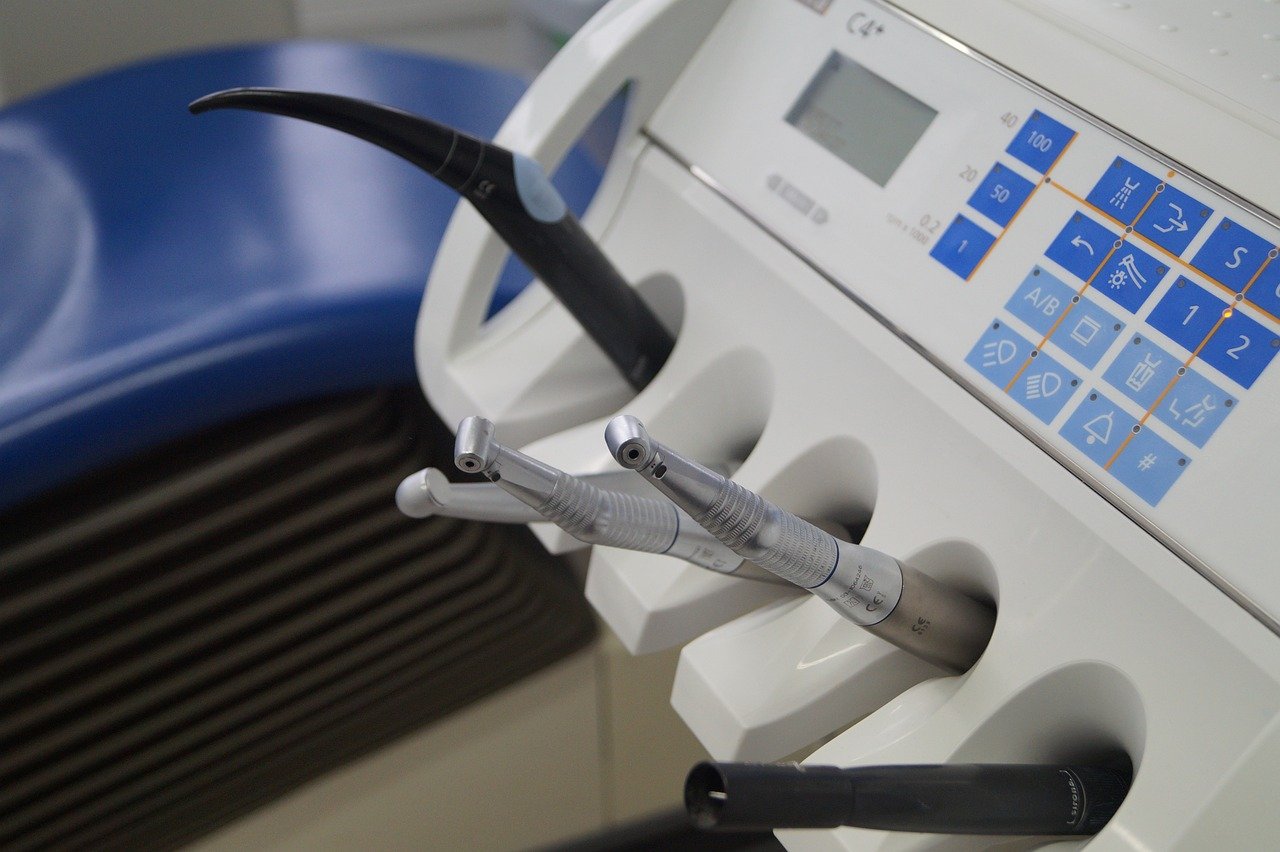
Dental procedures can be daunting, even with the promise of a healthier, brighter smile. The good news is that modern dentistry offers a range of anesthesia options to ensure your comfort and minimize anxiety. Understanding these options can empower you to make informed decisions alongside your dentist, leading to a more relaxed and positive experience.
Understanding Dental Anesthesia
Dental anesthesia encompasses a variety of techniques designed to alleviate pain and anxiety during dental procedures. It’s crucial to differentiate between the types available and understand which is most appropriate for your specific needs.
Types of Dental Anesthesia
- Local Anesthesia: This is the most common type, numbing a specific area in your mouth.
Mechanism: Local anesthetics block nerve signals in the targeted region, preventing pain sensations from reaching the brain.
Examples: Lidocaine (most common), Mepivacaine, Articaine, Bupivacaine. Your dentist will choose the most appropriate based on the procedure duration and your medical history.
Administration: Typically administered via injection near the treatment site. Topical anesthetics (gels or sprays) are often applied beforehand to minimize discomfort from the injection itself.
Duration: Varies from 30 minutes to several hours, depending on the drug and dosage.
- Sedation Dentistry: This option uses medication to help patients relax during dental procedures. It ranges from mild to deep sedation.
Nitrous Oxide (Laughing Gas): A mild sedative inhaled through a mask. It induces relaxation and reduces anxiety. Its effects wear off quickly after the mask is removed.
Benefits: Easy to administer, quick onset and offset, minimal side effects.
Oral Sedation: Involves taking a pill (usually a benzodiazepine like Valium or Halcion) before the appointment. Produces a moderate level of relaxation.
Benefits: Convenient, reduces anxiety.
Considerations: Requires someone to drive you to and from the appointment due to drowsiness.
IV Sedation (Conscious Sedation): Medication is administered intravenously, allowing for a deeper level of relaxation while still remaining conscious and responsive.
Benefits: More predictable than oral sedation, allows for precise dosage control.
Considerations: Requires careful monitoring of vital signs and a qualified professional to administer.
General Anesthesia: Renders the patient completely unconscious. Used for extensive procedures, patients with severe anxiety, or those with special needs.
Benefits: Eliminates all awareness and discomfort.
Considerations: Carries the highest risk and requires specialized equipment and personnel. Used less frequently than other options.
Choosing the Right Option
The choice of anesthesia depends on several factors:
- Procedure Type: A simple filling may only require local anesthesia, while a complex surgery might necessitate sedation.
- Anxiety Level: Patients with dental phobia may benefit from sedation dentistry.
- Medical History: Certain medical conditions can influence the type of anesthesia used. Your dentist will review your medical history thoroughly.
- Allergies: Be sure to inform your dentist about any allergies, especially to medications.
- Patient Preference: Your comfort and preferences should be taken into account.
Benefits of Dental Anesthesia
Anesthesia is a cornerstone of modern dentistry, offering numerous benefits that contribute to a more positive and comfortable patient experience.
Pain Management
- Eliminates Pain: The primary benefit is the complete or significant reduction of pain during procedures.
- Increased Comfort: Allows patients to undergo necessary treatments without discomfort, leading to better oral health outcomes.
Anxiety Reduction
- Reduces Fear and Anxiety: Sedation options help patients overcome dental phobia, enabling them to receive essential care. Studies show that approximately 36% of the population experiences some level of dental anxiety.
- Promotes Relaxation: Creates a calming environment, making the experience more manageable for anxious individuals.
Improved Treatment Efficiency
- Allows for Longer and More Complex Procedures: With anesthesia, dentists can perform extensive treatments in a single appointment without patient discomfort or fatigue.
- Minimizes Patient Movement: Reduces involuntary movements, leading to more precise and efficient treatment outcomes.
Enhanced Patient Cooperation
- Facilitates Better Cooperation: Anesthesia helps patients remain calm and cooperative, making the dentist’s job easier and more effective.
- Reduces Gag Reflex: Can help control the gag reflex, which can interfere with certain procedures.
Safety Considerations and Potential Risks
While dental anesthesia is generally safe, it’s crucial to be aware of potential risks and safety measures.
Pre-Anesthesia Evaluation
- Medical History Review: Your dentist will conduct a thorough review of your medical history, including medications, allergies, and any existing health conditions.
- Physical Examination: A brief physical examination may be performed to assess your overall health.
- Informed Consent: You will be provided with detailed information about the anesthesia, potential risks, and benefits, and you will need to sign an informed consent form.
Potential Side Effects
- Local Anesthesia:
Temporary numbness or tingling.
Soreness at the injection site.
Rarely, allergic reactions or nerve damage.
- Nitrous Oxide:
Nausea or vomiting (rare).
Headache.
- Oral Sedation:
Drowsiness.
Dry mouth.
Impaired coordination.
- IV Sedation:
Fluctuations in blood pressure or heart rate.
Respiratory depression (rare).
- General Anesthesia:
Nausea and vomiting.
Sore throat.
Rarely, serious complications like cardiac arrest or stroke.
Minimizing Risks
- Choosing a Qualified Professional: Ensure that your dentist or anesthesiologist is properly trained and experienced in administering dental anesthesia.
- Following Instructions: Adhere to all pre- and post-operative instructions provided by your dentist, such as fasting guidelines or medication restrictions.
- Monitoring During Procedure: During sedation or general anesthesia, vital signs (heart rate, blood pressure, oxygen saturation) will be closely monitored.
- Emergency Preparedness: Dental offices that provide sedation or general anesthesia should be equipped with appropriate emergency equipment and medications.
Preparing for Dental Anesthesia
Proper preparation can help minimize risks and ensure a smooth and successful experience.
Pre-Appointment Instructions
- Medical History Disclosure: Provide a complete and accurate medical history to your dentist.
- Medication List: Bring a list of all medications you are currently taking, including over-the-counter drugs and supplements.
- Fasting: Follow fasting instructions provided by your dentist. Fasting is typically required for sedation or general anesthesia to prevent nausea and vomiting. Generally, no food or drink is allowed for at least 6-8 hours before the procedure.
- Transportation: Arrange for someone to drive you to and from your appointment if you are receiving sedation.
- Loose Clothing: Wear comfortable, loose-fitting clothing.
- Avoid Alcohol and Smoking: Refrain from consuming alcohol or smoking for at least 24 hours before the appointment.
What to Expect During the Procedure
- Monitoring: Your vital signs will be continuously monitored throughout the procedure.
- Communication: Even under sedation, you should be able to communicate with the dental team if you experience any discomfort or concerns.
- Post-Operative Care: After the procedure, you will be monitored until you are stable and alert enough to go home.
Post-Operative Care Instructions
- Rest: Get plenty of rest after the procedure.
- Diet: Follow dietary recommendations provided by your dentist. Start with soft foods and avoid anything that is too hot, cold, or spicy.
- Medications: Take any prescribed medications as directed.
- Wound Care: Follow instructions for wound care, such as rinsing with salt water or applying ice packs.
- Follow-Up: Attend any scheduled follow-up appointments.
Conclusion
Dental anesthesia is a safe and effective tool that significantly enhances the patient experience. By understanding the different types of anesthesia, their benefits, risks, and preparation protocols, you can work with your dentist to choose the most appropriate option for your individual needs and ensure a comfortable and positive dental visit. Don’t hesitate to discuss any concerns or questions you may have with your dental professional.