Maintaining healthy gums is crucial for overall oral health and contributes significantly to your general well-being. Often overlooked, gum health can impact everything from your smile’s appearance to your susceptibility to serious health conditions. This comprehensive guide will delve into the importance of healthy gums, practical steps you can take to improve their condition, and the potential consequences of neglecting them. Let’s explore the secrets to a healthy, happy smile!
The Importance of Healthy Gums
The Foundation of a Healthy Mouth
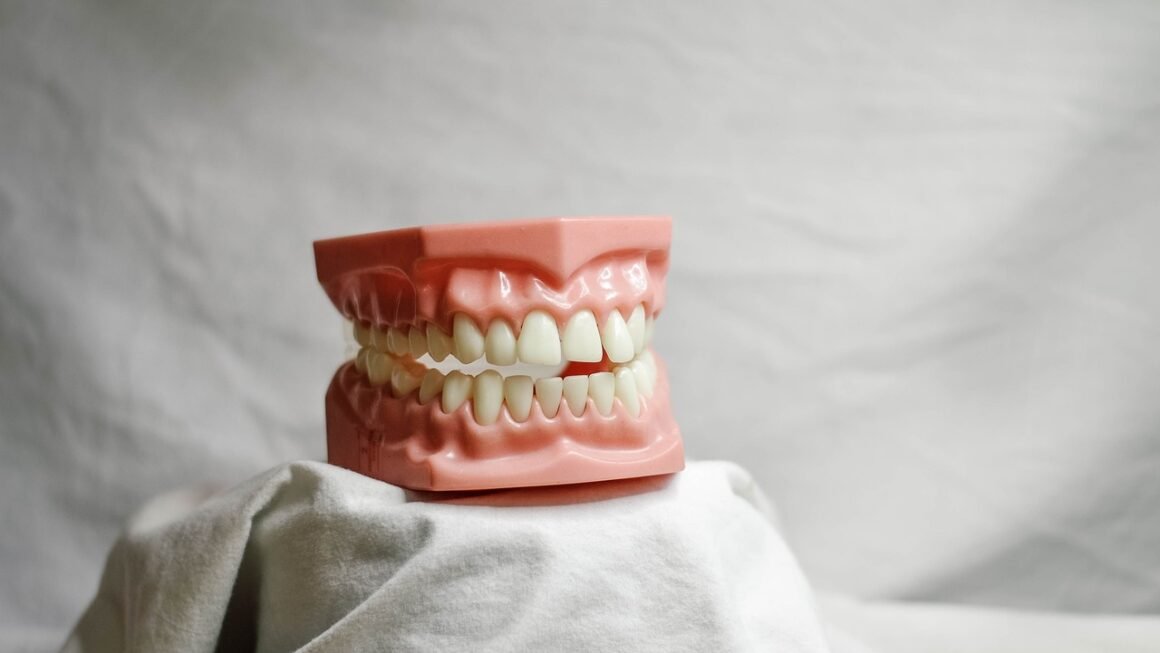
Healthy gums act as a strong and supportive foundation for your teeth. They protect the roots of your teeth from bacteria and damage. When gums are healthy, they are firm, pink, and fit snugly around each tooth. They don’t bleed easily when brushed or flossed. Neglecting your gums can lead to a host of problems, impacting not only your oral health but potentially your systemic health as well.
Beyond Aesthetics: Systemic Health Connection
The health of your gums is intimately connected to your overall health. Studies have shown a strong correlation between gum disease (periodontitis) and several systemic conditions, including:
- Heart Disease: Inflammation caused by gum disease can contribute to the build-up of plaque in arteries, increasing the risk of heart attack and stroke.
- Diabetes: Gum disease can make it harder to control blood sugar levels, and conversely, diabetes can increase the risk of developing gum disease.
- Respiratory Infections: Bacteria from infected gums can travel to the lungs, increasing the risk of pneumonia and other respiratory problems.
- Pregnancy Complications: Gum disease has been linked to premature birth and low birth weight.
This interconnectedness highlights the vital importance of prioritizing gum health as part of your broader healthcare routine.
Identifying Gum Problems
Recognizing the Warning Signs
Early detection is key to preventing gum disease from progressing. Be vigilant for the following signs and symptoms:
- Bleeding Gums: Bleeding while brushing or flossing is a common early sign of gingivitis. Even a small amount of blood is a cause for concern.
- Red, Swollen Gums: Healthy gums are pink and firm. Redness and swelling indicate inflammation.
- Receding Gums: When gums pull back from the teeth, exposing the roots, it’s a sign of gum recession. This can lead to tooth sensitivity and increase the risk of decay.
- Persistent Bad Breath: While occasional bad breath is normal, persistent bad breath that doesn’t go away with brushing or mouthwash can be a sign of gum disease.
- Loose Teeth: In advanced stages of gum disease, the supporting structures of the teeth become damaged, leading to loose teeth.
- Changes in Bite: A change in the way your teeth fit together when you bite can also indicate gum problems.
If you notice any of these signs, schedule an appointment with your dentist or periodontist as soon as possible.
Understanding Gingivitis and Periodontitis
Gum disease progresses through stages.
- Gingivitis: This is the early stage of gum disease. It’s characterized by inflammation of the gums, often caused by plaque and tartar buildup. Gingivitis is usually reversible with good oral hygiene practices and professional cleaning.
- Periodontitis: If gingivitis is left untreated, it can progress to periodontitis. This is a more serious form of gum disease that damages the soft tissues and bone that support the teeth. Periodontitis can lead to tooth loss and other health problems.
Regular dental check-ups are essential for early detection and treatment of gum disease at any stage.
Best Practices for Healthy Gums
Oral Hygiene Routine
A consistent and thorough oral hygiene routine is the cornerstone of healthy gums.
- Brushing: Brush your teeth at least twice a day for two minutes each time, using fluoride toothpaste and a soft-bristled toothbrush. Use gentle, circular motions and be sure to reach all surfaces of your teeth, including the gumline.
Tip: Consider using an electric toothbrush, which can be more effective at removing plaque.
- Flossing: Floss daily to remove plaque and food particles from between your teeth and under the gumline, where your toothbrush can’t reach.
Tip: Use about 18 inches of floss, winding most of it around your middle fingers and leaving about 1-2 inches to work with. Gently slide the floss between your teeth, curving it around each tooth and under the gumline.
- Mouthwash: Use an antimicrobial mouthwash to help kill bacteria and reduce plaque buildup.
* Tip: Choose a mouthwash that contains fluoride to help strengthen your teeth.
- Tongue Scraping: Using a tongue scraper can help remove bacteria from the surface of your tongue, contributing to fresher breath and improved oral hygiene.
Professional Dental Care
Even with excellent at-home care, professional dental cleanings are essential for removing stubborn plaque and tartar.
- Regular Check-ups: Visit your dentist for regular check-ups and professional cleanings, typically every six months. Your dentist can detect early signs of gum disease and provide treatment to prevent it from progressing.
- Scaling and Root Planing: If you have gum disease, your dentist may recommend scaling and root planing. This deep cleaning procedure removes plaque and tartar from below the gumline and smooths the tooth roots to help the gums reattach.
Diet and Lifestyle
Certain dietary and lifestyle choices can significantly impact gum health.
- Healthy Diet: Eat a balanced diet rich in fruits, vegetables, and whole grains. Limit sugary and processed foods, which can contribute to plaque buildup.
- Hydration: Drink plenty of water throughout the day to keep your mouth moist and help wash away food particles and bacteria.
- Quit Smoking: Smoking is a major risk factor for gum disease. It weakens the immune system and makes it harder for the gums to heal. Quitting smoking is one of the best things you can do for your oral and overall health.
- Manage Stress: High levels of stress can weaken the immune system and make you more susceptible to gum disease. Find healthy ways to manage stress, such as exercise, meditation, or spending time in nature.
Advanced Treatments for Gum Disease
When Basic Care Isn’t Enough
In some cases, advanced treatments may be necessary to restore gum health.
- Antibiotics: Your dentist may prescribe antibiotics to help control the infection in your gums. These can be administered orally or topically.
- Gum Grafting: This procedure involves taking tissue from another area of your mouth (or a donor source) and grafting it onto the receding gums to cover exposed tooth roots.
- Bone Grafting: If gum disease has caused significant bone loss around the teeth, bone grafting may be necessary to restore the supporting structures.
- Laser Therapy: Lasers can be used to remove infected tissue and promote healing in the gums. Laser therapy is often less invasive than traditional surgery.
The specific treatment plan will depend on the severity of your gum disease and your individual needs. Your dentist or periodontist will recommend the best course of action for you.
Periodontal Maintenance
After undergoing advanced treatment for gum disease, ongoing periodontal maintenance is crucial.
- More Frequent Cleanings: You may need to visit your dentist or periodontist for cleanings more frequently than every six months to keep gum disease under control.
- Home Care Adjustments: Your dentist or hygienist may recommend adjustments to your home care routine to better address your specific needs.
Conclusion
Prioritizing healthy gums is an investment in your overall health and well-being. By following the practices outlined in this guide – maintaining a rigorous oral hygiene routine, seeking regular professional dental care, and making healthy lifestyle choices – you can significantly reduce your risk of gum disease and enjoy a healthy, beautiful smile for years to come. Remember, early detection and proactive care are key to preventing serious complications. Don’t wait until you experience pain or discomfort; take charge of your gum health today!