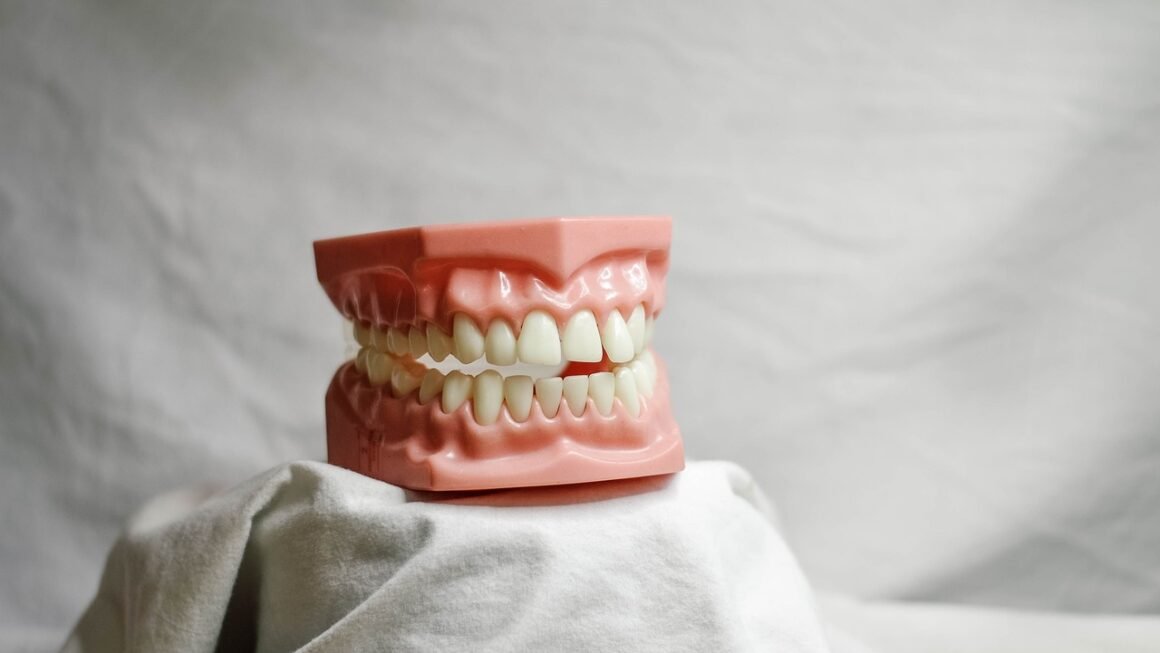
Maintaining a healthy and bright smile goes beyond aesthetics; it’s a cornerstone of overall well-being. Neglecting dental care can lead to serious health problems, from gum disease and tooth decay to even cardiovascular complications. This comprehensive guide provides essential dental care tips to help you achieve and maintain optimal oral health for years to come.
The Foundation: Effective Brushing Techniques
Choosing the Right Brush
Selecting the right toothbrush is the first step towards effective brushing. Opt for a soft-bristled brush. Soft bristles are gentle on your gums and won’t erode tooth enamel, especially if you tend to brush aggressively.
Consider these points when choosing:
- Bristle Softness: Soft or extra-soft are recommended by dentists.
- Handle Comfort: Choose a handle that’s comfortable and easy to grip.
- Electric vs. Manual: Both are effective. Electric toothbrushes can be beneficial for people with limited mobility. Studies have shown that electric toothbrushes with oscillating-rotating heads can be more effective at removing plaque and gingivitis than manual toothbrushes.
Mastering the Brushing Motion
Proper technique is just as crucial as the brush itself. Many people brush too hard or too quickly, which can damage gums and enamel. Aim for gentle, circular motions.
Follow these steps:
- Angle the Brush: Hold the brush at a 45-degree angle towards the gumline.
- Gentle Circles: Use small, circular motions to clean each tooth.
- Outer, Inner, and Chewing Surfaces: Clean all surfaces of each tooth thoroughly.
- Don’t Forget the Tongue: Gently brush your tongue to remove bacteria and freshen breath.
- Two Minutes Minimum: Brush for at least two minutes, twice a day. Use a timer to ensure adequate time.
Practical Tip: Divide your mouth into quadrants and spend 30 seconds on each quadrant. This ensures you’re giving each area equal attention.
Flossing: Reaching Where Your Brush Can’t
Why Floss?
Flossing is a non-negotiable part of dental hygiene. It removes plaque and food particles from between your teeth and under the gumline, areas that your toothbrush simply can’t reach. Ignoring flossing can lead to cavities, gum disease, and bad breath.
Benefits of flossing include:
- Prevents cavities between teeth
- Reduces the risk of gum disease (gingivitis and periodontitis)
- Removes food particles and plaque
- Helps prevent bad breath
The Correct Flossing Technique
Flossing might seem simple, but proper technique is vital for effectiveness and avoiding gum damage.
- Use Enough Floss: Break off about 18 inches of floss.
- Grip the Floss: Wrap most of the floss around your middle fingers, leaving about 1-2 inches to work with.
- Gentle Insertion: Gently guide the floss between your teeth using a sawing motion. Avoid snapping the floss down onto your gums.
- C-Shape: When the floss reaches the gumline, curve it into a “C” shape around each tooth.
- Up and Down: Gently slide the floss up and down against the tooth surface, making sure to go slightly under the gumline.
- Fresh Section: Use a clean section of floss for each tooth.
Practical Tip: If you find traditional floss difficult to use, consider using floss picks or interdental brushes. These can be especially helpful if you have braces or tight teeth.
The Power of Mouthwash
Choosing the Right Mouthwash
Mouthwash is a beneficial addition to your oral hygiene routine, but it’s not a substitute for brushing and flossing. Different types of mouthwash serve different purposes.
Consider these options:
- Fluoride Mouthwash: Helps strengthen tooth enamel and prevent cavities.
- Antiseptic Mouthwash: Kills bacteria and reduces plaque buildup. Often contains ingredients like chlorhexidine or cetylpyridinium chloride (CPC). Note: Chlorhexidine mouthwashes are generally only available by prescription.
- Cosmetic Mouthwash: Freshens breath but doesn’t offer significant therapeutic benefits.
Important: Alcohol-containing mouthwashes can dry out the mouth, which can actually worsen bad breath in some cases. Consider alcohol-free options.
Using Mouthwash Effectively
To maximize the benefits of mouthwash, use it after brushing and flossing.
- Measure the Amount: Use the recommended amount of mouthwash (usually indicated on the bottle).
- Rinse Thoroughly: Swish the mouthwash around in your mouth for 30-60 seconds.
- Avoid Swallowing: Spit out the mouthwash after rinsing.
- Don’t Rinse with Water Immediately: Wait at least 30 minutes before rinsing your mouth with water to allow the mouthwash to work effectively.
Diet and Dental Health: What You Eat Matters
Foods to Embrace
A balanced diet is crucial for overall health, and that includes your teeth. Certain foods can actively promote dental health.
- Water: Staying hydrated helps produce saliva, which neutralizes acids and washes away food particles.
- Dairy Products: Milk, cheese, and yogurt are rich in calcium and phosphorus, which strengthen tooth enamel.
- Crunchy Fruits and Vegetables: Apples, carrots, and celery stimulate saliva production and help scrub away plaque.
- Leafy Greens: Spinach and kale are packed with vitamins and minerals that are beneficial for oral health.
- Sugar-Free Gum: Chewing sugar-free gum after meals can stimulate saliva flow and help neutralize acids. Look for gums with xylitol.
Foods to Limit or Avoid
Certain foods and drinks can wreak havoc on your teeth.
- Sugary Foods and Drinks: Sugar feeds bacteria in your mouth, leading to acid production and tooth decay. This includes candy, soda, and fruit juice. According to the CDC, children and adults in the United States consume on average over 17 teaspoons of added sugar each day.
- Acidic Foods and Drinks: Citrus fruits, tomatoes, and vinegar can erode tooth enamel.
- Sticky Foods: Caramels, gummy candies, and dried fruit cling to teeth and are difficult to remove.
- Starchy Foods: Potato chips and white bread break down into sugars in the mouth, contributing to tooth decay.
Practical Tip: If you do consume sugary or acidic foods, rinse your mouth with water afterwards to help neutralize acids and wash away debris.
Regular Dental Check-ups: Prevention is Key
Why Professional Cleanings?
Even with diligent home care, plaque and tartar can build up in hard-to-reach areas. Regular dental check-ups and professional cleanings are essential for removing this buildup and preventing dental problems.
Benefits of professional cleanings:
- Removes plaque and tartar buildup
- Prevents gum disease
- Detects early signs of cavities
- Provides personalized oral hygiene advice
- Polishes teeth and removes surface stains
What to Expect During a Check-up
A typical dental check-up involves a thorough examination of your teeth and gums, as well as a professional cleaning.
The dentist will typically:
- Examine your teeth for cavities and other problems
- Evaluate your gums for signs of gum disease
- Check your bite and jaw alignment
- Take X-rays to detect problems not visible to the naked eye
- Provide a professional cleaning to remove plaque and tartar
- Offer personalized advice on how to improve your oral hygiene
Recommendation: Schedule dental check-ups every six months, or as recommended by your dentist.
Conclusion
Prioritizing your dental health is a commitment to your overall well-being. By following these simple yet effective dental care tips, you can maintain a healthy and radiant smile for a lifetime. Remember, consistency is key. Make brushing, flossing, and regular dental check-ups a non-negotiable part of your routine, and your smile will thank you.