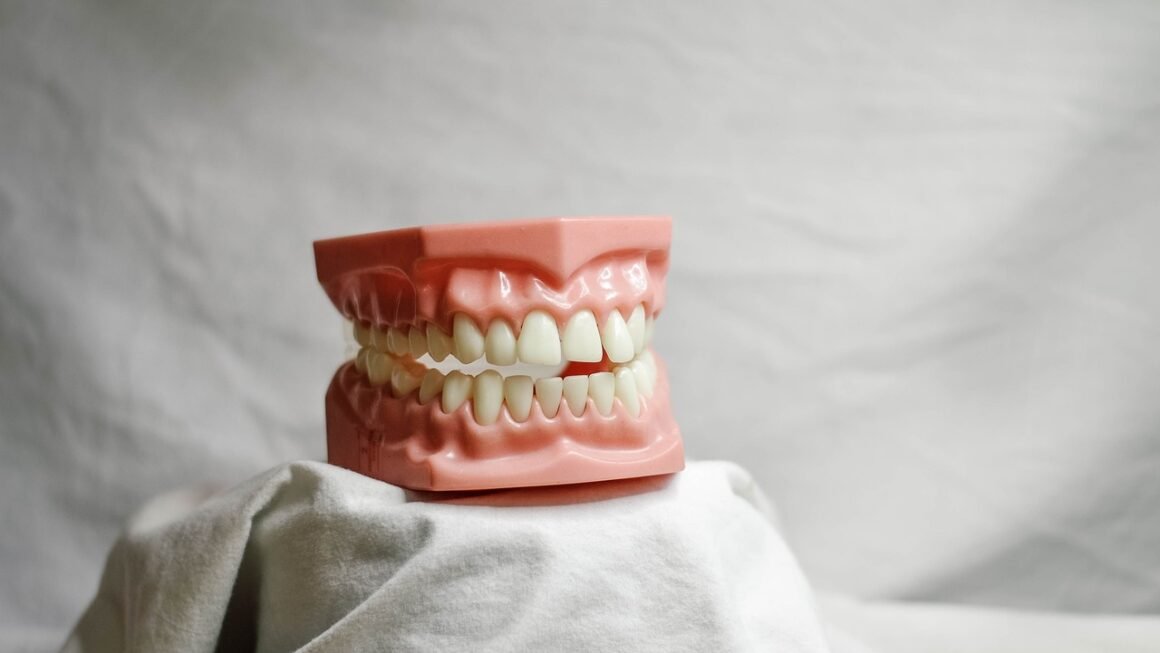
Dental sealants are a powerful tool in the fight against tooth decay, offering a proactive and cost-effective way to protect your pearly whites. Often recommended for children and teenagers, sealants can also benefit adults who are susceptible to cavities. This blog post will delve into the world of dental sealants, explaining what they are, how they work, and why they might be right for you or your family.
What are Dental Sealants?
Definition and Composition
Dental sealants are thin, plastic coatings painted on the chewing surfaces of teeth – usually the back teeth (molars and premolars). The material is typically a resin-based composite, similar to what’s used in tooth-colored fillings. Once applied, the sealant quickly bonds into the depressions and grooves of the teeth, forming a protective shield that keeps out food and bacteria. Think of it as a rain jacket for your teeth!
Why are Molars and Premolars Prone to Decay?
Molars and premolars are particularly vulnerable to decay due to their uneven surfaces. These surfaces have pits and fissures – tiny grooves and depressions – that are difficult to clean effectively with a toothbrush. Food particles and bacteria can easily become trapped in these areas, leading to the formation of plaque and, eventually, cavities. Children, especially, often have trouble reaching and thoroughly cleaning these back teeth, making them prime candidates for sealants.
The Sealant Application Process
Preparation is Key
The application process is generally quick, painless, and requires no anesthesia. The dentist or hygienist will first clean the tooth (or teeth) that will be sealed. This often involves using a small brush and a special paste to remove any plaque or debris. The tooth is then rinsed and dried.
Etching and Bonding
Next, the tooth surface is etched with a mild acidic solution. This creates a rough surface that allows the sealant to bond more effectively. The etching solution is rinsed off and the tooth is dried again. A bonding agent may then be applied to further enhance the sealant’s adherence.
Applying and Curing the Sealant
The liquid sealant is carefully painted onto the tooth’s surface, filling in all the pits and fissures. A special curing light is then used to harden the sealant, typically in just a few seconds. The dentist will check the sealant to ensure it is smooth and does not interfere with your bite. The entire process usually takes just a few minutes per tooth.
Benefits of Dental Sealants
Preventing Cavities
The primary benefit of dental sealants is their ability to prevent cavities. By creating a physical barrier over the tooth surface, sealants effectively block out food particles and bacteria that can cause decay. Studies have shown that sealants can reduce the risk of cavities in molars by up to 80%.
Cost-Effectiveness
Sealants are a relatively inexpensive preventive treatment compared to the cost of fillings, root canals, or other restorative procedures that become necessary when cavities are left untreated. Investing in sealants early can save you money and discomfort in the long run.
Long-Term Protection
With proper care, dental sealants can last for several years. Regular dental checkups are essential to monitor the condition of the sealants and ensure they are still intact. If a sealant becomes chipped or worn, it can be easily repaired or reapplied. Many sealants last 5-10 years, providing lasting protection against decay.
Examples of Sealant Success:
- A child who consistently gets cavities in their molars benefits greatly from sealants, preventing the need for multiple fillings.
- A teenager with deep pits and fissures in their teeth, who struggles with effective brushing, significantly reduces their risk of cavities with sealants.
Who Should Consider Dental Sealants?
Children and Teenagers
Children and teenagers are the most common candidates for dental sealants, as their molars are newly erupted and more susceptible to decay. The American Dental Association recommends sealants for children as soon as their permanent molars come in, typically around ages 6 and 12. Getting sealants applied early in life can set the stage for a lifetime of healthy teeth. Sealants are often covered for children by most dental insurance plans.
Adults
While sealants are most often associated with children, adults can also benefit from them. Adults who have deep pits and fissures in their teeth, a history of tooth decay, or are at high risk for developing cavities may be good candidates. Discuss your individual risk factors with your dentist to determine if sealants are right for you. For example, an adult who has just finished orthodontic treatment may be a good candidate for sealants, as their teeth may be more vulnerable to decay after the brackets are removed.
People with Special Needs
Individuals with special needs who may have difficulty maintaining proper oral hygiene can also benefit from dental sealants. Sealants can provide an extra layer of protection against decay, helping to improve their overall oral health.
Oral Hygiene and Sealant Longevity
Brushing and Flossing
Even with sealants, it’s crucial to maintain good oral hygiene practices. Brush your teeth at least twice a day with fluoride toothpaste, paying particular attention to the chewing surfaces of your teeth. Floss daily to remove plaque and food particles from between your teeth. Sealants are an adjunct to, not a replacement for, proper oral hygiene habits.
Regular Dental Checkups
Schedule regular dental checkups to monitor the condition of your sealants and ensure they are still providing adequate protection. Your dentist can also identify and address any early signs of decay. These checkups are also a great opportunity to ask any questions you may have about your oral health. Your dentist may also recommend fluoride treatments during these visits to further strengthen your teeth.
Avoid Hard or Sticky Foods
While sealants are durable, they can be damaged by biting down on hard objects, such as ice or hard candy. Sticky foods, such as caramels or taffy, can also potentially dislodge sealants. Be mindful of the foods you eat and try to avoid habits that could compromise the integrity of your sealants.
Conclusion
Dental sealants are a simple, effective, and affordable way to protect your teeth from decay. Whether you are a parent looking to safeguard your child’s smile or an adult seeking to enhance your own oral health, sealants offer a valuable preventive measure. By understanding the benefits of sealants, the application process, and the importance of proper oral hygiene, you can make an informed decision about whether this treatment is right for you or your loved ones. Talk to your dentist today to learn more about dental sealants and how they can contribute to a healthier, brighter smile.