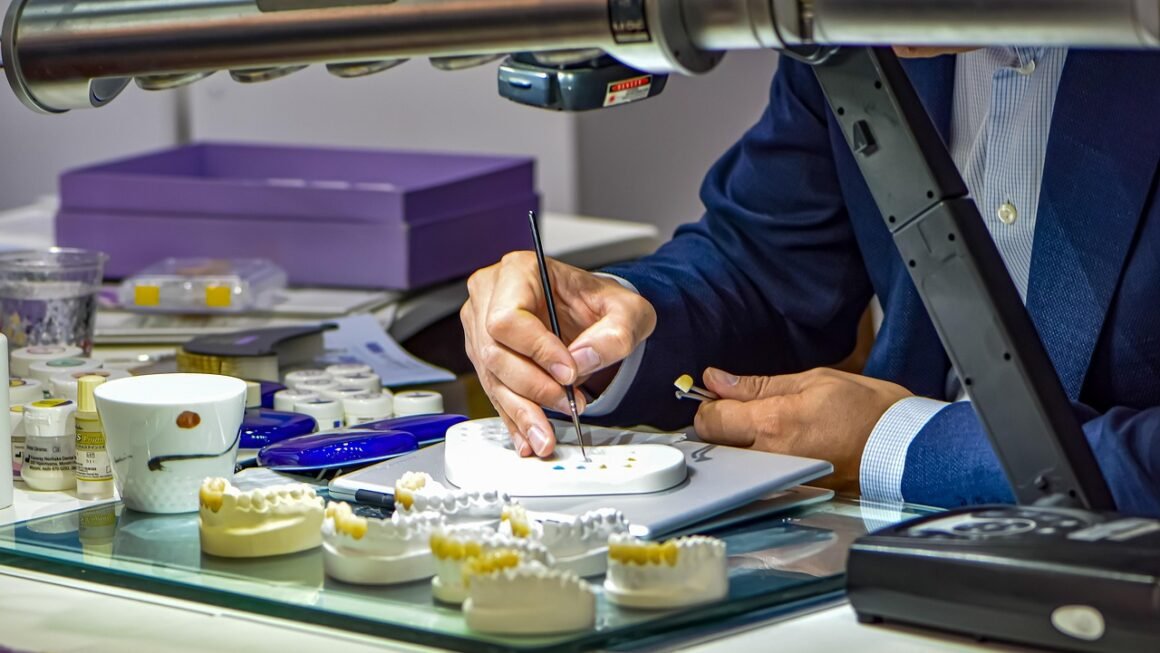
A dazzling smile is often associated with confidence, health, and youthfulness. It’s no surprise then that teeth whitening is one of the most popular cosmetic dental procedures available. Whether you’re preparing for a special occasion or simply want to enhance your everyday appearance, understanding the science and options behind teeth whitening can empower you to make the best choice for your unique needs.
Understanding Teeth Whitening
What Causes Tooth Discoloration?
Tooth discoloration is a common concern, and it stems from a variety of factors. Understanding these causes is crucial for choosing the right whitening method and preventing future staining.
- Extrinsic Stains: These stains affect the enamel’s surface and are often caused by:
Foods and drinks like coffee, tea, red wine, and berries.
Tobacco use (smoking or chewing).
Poor oral hygiene.
- Intrinsic Stains: These stains occur within the tooth structure (dentin) and are more difficult to remove. Common causes include:
Certain medications (e.g., tetracycline antibiotics).
Dental fluorosis (excessive fluoride intake during tooth development).
Trauma to the tooth.
Aging (the enamel thins, revealing the yellower dentin beneath).
The Science Behind Whitening
Most teeth whitening products rely on hydrogen peroxide or carbamide peroxide as the active ingredient. These substances break down to release oxygen, which penetrates the enamel and oxidizes the staining molecules, breaking them down into smaller, colorless particles.
- Hydrogen Peroxide: A stronger bleaching agent, often used in professional treatments.
- Carbamide Peroxide: A slower-releasing agent, commonly found in at-home whitening kits. It breaks down into hydrogen peroxide and urea.
The concentration of peroxide varies depending on the product and its intended use. Higher concentrations generally lead to faster results but also increase the risk of sensitivity.
Types of Teeth Whitening Treatments
In-Office Whitening
Professional teeth whitening performed by a dentist offers the most dramatic and immediate results.
- Procedure: The dentist applies a high-concentration hydrogen peroxide gel to the teeth after protecting the gums with a barrier. A special light or laser may be used to activate the gel and accelerate the whitening process.
- Benefits:
Significant whitening in a single visit (typically 1-2 hours).
Dentist supervision ensures safety and minimizes sensitivity.
Customizable treatment intensity.
- Example: A patient with severe staining from years of coffee consumption could see a 6-8 shade improvement in a single in-office session.
- Cost: In-office whitening typically costs between $500 and $1,000 per session.
At-Home Whitening Kits (Professional Grade)
These kits are dispensed by your dentist and offer a balance of effectiveness and convenience.
- Procedure: Your dentist takes impressions of your teeth to create custom-fitted trays. You’ll receive a whitening gel with a higher concentration of peroxide than over-the-counter options. You fill the trays with the gel and wear them for a specified period each day (usually 30 minutes to an hour) for a couple of weeks.
- Benefits:
Custom trays provide better gel coverage and minimize gum irritation.
More effective than over-the-counter options.
Can be used for touch-ups after in-office whitening.
- Example: A patient who has had in-office whitening can use custom trays with a maintenance gel once a month to keep their teeth bright.
- Cost: Professional at-home kits generally cost between $300 and $600.
Over-the-Counter (OTC) Whitening Products
These are readily available at drugstores and supermarkets, but their effectiveness varies.
- Types:
Whitening Strips: Thin, flexible strips coated with a peroxide gel. Applied directly to the teeth for a specified period.
Whitening Toothpastes: Contain mild abrasives and chemicals to remove surface stains.
Whitening Mouthwashes: Contain hydrogen peroxide and can help to whiten teeth over time.
Whitening Pens: Contain a gel that you paint directly onto your teeth.
- Benefits:
Convenient and affordable.
Easy to use at home.
- Drawbacks:
Lower concentration of peroxide, leading to slower and less dramatic results.
May cause tooth sensitivity or gum irritation.
One-size-fits-all strips may not effectively whiten all teeth.
- Example: A person with mild staining might use whitening strips for a few weeks to brighten their smile.
- Cost: OTC whitening products typically range from $20 to $100.
Maintaining Your Whitened Smile
Oral Hygiene Practices
Maintaining good oral hygiene is crucial for preserving your whitened smile.
- Brushing: Brush your teeth twice a day for two minutes each time, using a fluoride toothpaste.
- Flossing: Floss daily to remove plaque and debris from between your teeth.
- Mouthwash: Use an antiseptic mouthwash to kill bacteria and freshen your breath.
Diet and Lifestyle Adjustments
Certain foods and drinks can contribute to tooth staining. Limiting their consumption can help keep your teeth whiter for longer.
- Limit staining foods and drinks: Coffee, tea, red wine, soda, berries, soy sauce, and tomato sauce.
- Rinse your mouth after consuming staining substances: This helps to remove the staining agents before they can penetrate the enamel.
- Avoid tobacco use: Smoking and chewing tobacco cause significant tooth staining.
Touch-Up Treatments
Even with good oral hygiene and lifestyle adjustments, teeth can gradually become stained over time. Consider touch-up treatments to maintain your desired level of whiteness.
- Professional touch-ups: Schedule regular visits with your dentist for professional cleaning and whitening.
- At-home touch-ups: Use your custom trays and whitening gel for a short period (e.g., one night a month) to maintain your results.
Potential Risks and Side Effects
Tooth Sensitivity
Tooth sensitivity is a common side effect of teeth whitening, especially with higher concentrations of peroxide.
- Cause: The whitening agents can temporarily open up the dentinal tubules, which contain nerve endings.
- Prevention:
Use a toothpaste designed for sensitive teeth.
Reduce the frequency or duration of whitening treatments.
Ask your dentist about fluoride treatments to strengthen the enamel.
Gum Irritation
Gum irritation can occur if the whitening gel comes into contact with the gums.
- Cause: The peroxide can irritate the soft tissues of the gums.
- Prevention:
Use custom-fitted trays that prevent the gel from leaking onto the gums.
Follow the instructions carefully and avoid overfilling the trays.
If irritation occurs, discontinue use and consult your dentist.
Uneven Whitening
Uneven whitening can occur if the teeth have existing fillings or other restorations.
- Cause: Whitening agents do not affect the color of fillings or crowns.
- Solution: Talk to your dentist about your options for addressing uneven whitening, such as replacing fillings with a whiter shade or considering veneers.
Conclusion
Teeth whitening is a safe and effective way to enhance your smile and boost your confidence. By understanding the different types of treatments, potential risks, and maintenance strategies, you can make informed decisions and achieve the bright, dazzling smile you’ve always wanted. Consulting with your dentist is the first step to determining the best whitening approach for your individual needs and ensuring a healthy, radiant smile for years to come.