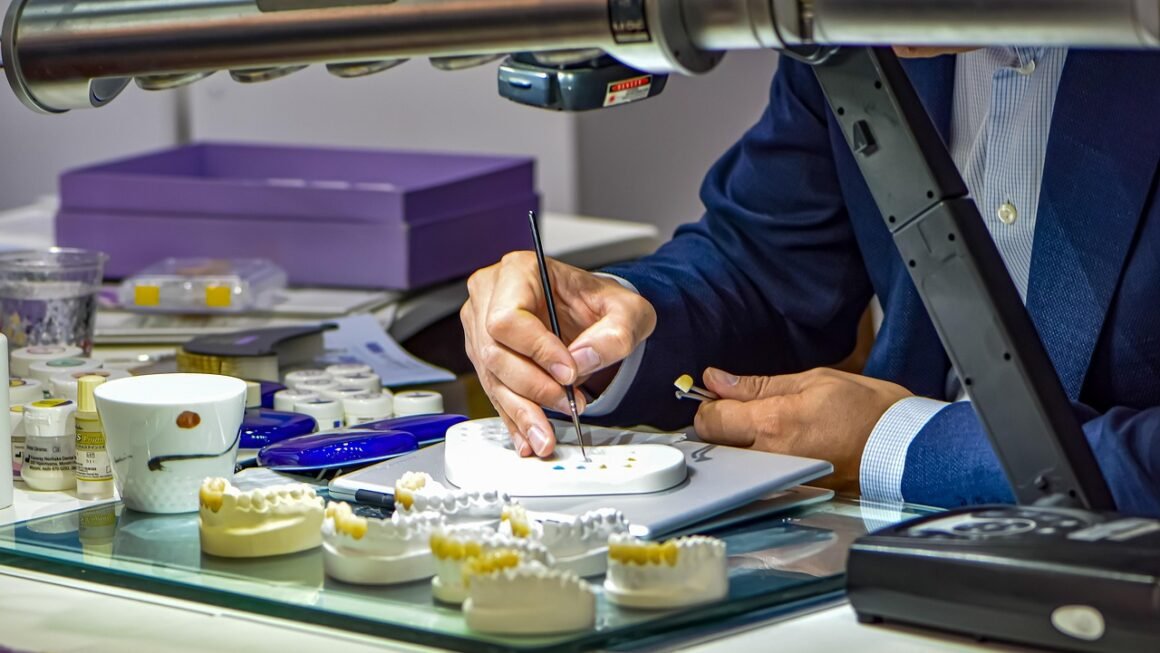
Achieving a dazzling, pearly white smile is a common aspiration, and teeth whitening has become a popular and effective solution. However, with so many whitening options available, a crucial question arises: how often should you whiten your teeth? Understanding the appropriate frequency is essential for maximizing results while safeguarding your oral health. This guide provides a comprehensive look at teeth whitening frequency, helping you make informed decisions for a brighter, healthier smile.
Understanding Teeth Whitening Options
Professional Teeth Whitening
Professional teeth whitening, typically performed by a dentist, offers the most dramatic and long-lasting results. This involves using high-concentration bleaching agents like hydrogen peroxide or carbamide peroxide under controlled conditions.
- In-Office Whitening: This procedure involves a dentist applying a whitening gel to your teeth and often uses a special light or laser to activate the bleaching agent. Results are usually visible in one or two sessions.
Frequency: Generally, in-office whitening is recommended once every 1-2 years, depending on your lifestyle habits and the degree of staining.
Example: If you consume a lot of coffee, tea, or red wine, you might need a touch-up treatment sooner than someone who avoids these staining agents.
- Take-Home Whitening Kits (Prescription): Your dentist provides custom-fitted trays and a whitening gel to use at home.
Frequency: These kits are usually used daily for a specified period (e.g., 30 minutes to an hour for 2-4 weeks) and can be repeated every 6-12 months.
Example: You might use the take-home kit for two weeks after an in-office whitening treatment to maintain your results.
Over-the-Counter (OTC) Whitening Products
OTC whitening products are readily available in drugstores and online, offering a more affordable, albeit less potent, alternative.
- Whitening Strips: Thin, flexible strips coated with a peroxide-based gel that adhere to your teeth.
Frequency: Typically used once or twice daily for 7-14 days, and can be repeated every 3-6 months.
Example: Using whitening strips for a week before a special event can help brighten your smile quickly.
- Whitening Toothpastes: Contain mild abrasives and chemicals to remove surface stains.
Frequency: Can be used daily as part of your regular oral hygiene routine. However, they primarily target surface stains and offer limited overall whitening.
Example: A whitening toothpaste can help maintain the results of professional or OTC whitening treatments.
- Whitening Mouthwashes: Contain hydrogen peroxide to help whiten teeth.
Frequency: Usually used once or twice daily as directed on the product label. Similar to whitening toothpaste, mouthwashes primarily target surface stains.
- Whitening Gels (Brush-on): Applied directly to the teeth with a brush.
Frequency: Varies depending on the product, but typically used once or twice daily for a specified period.
Factors Influencing Whitening Frequency
Several factors influence how often you should whiten your teeth.
- Degree of Staining: The extent of staining or discoloration plays a significant role. Individuals with severe staining may require more frequent treatments initially, followed by less frequent maintenance.
- Lifestyle Habits: Consumption of staining foods and beverages, such as coffee, tea, red wine, berries, and smoking, can necessitate more frequent whitening.
- Oral Hygiene: Maintaining good oral hygiene, including regular brushing, flossing, and dental checkups, can help reduce the need for frequent whitening.
- Sensitivity: Tooth sensitivity is a common side effect of teeth whitening. Individuals with sensitive teeth may need to limit the frequency and duration of whitening treatments.
- Type of Whitening Product: Different products have varying concentrations of bleaching agents, which affect the frequency of use.
- Age: As we age, our enamel thins, making our teeth more susceptible to staining and potentially increasing the need for whitening. However, older adults should consult with their dentist before starting any whitening regimen.
Potential Risks of Over-Whitening
While teeth whitening can be effective, overdoing it can lead to several adverse effects.
- Tooth Sensitivity: Excessive whitening can cause or exacerbate tooth sensitivity, making it painful to consume hot, cold, or sweet foods and beverages. According to the American Dental Association (ADA), tooth sensitivity is one of the most common side effects of teeth whitening.
- Gum Irritation: The bleaching agents in whitening products can irritate the gums, causing redness, inflammation, and discomfort.
- Enamel Damage: Over-whitening can weaken the enamel, making teeth more vulnerable to cavities and other dental problems.
- Uneven Whitening: Repeated whitening can sometimes result in uneven or blotchy results, particularly if you have fillings or other dental restorations.
- Translucency: Excessive whitening can make teeth appear translucent or bluish, which is generally considered undesirable.
Developing a Safe Whitening Schedule
Creating a safe and effective whitening schedule involves considering your individual needs and consulting with your dentist.
- Initial Consultation: Consult your dentist for a thorough evaluation of your oral health and to determine the most appropriate whitening method and frequency for you.
- Follow Instructions Carefully: Always follow the instructions provided with the whitening product or by your dentist. Do not exceed the recommended duration or frequency of use.
- Monitor for Sensitivity: Pay close attention to any signs of tooth sensitivity or gum irritation. If you experience these symptoms, discontinue use and consult your dentist.
- Take Breaks: Allow your teeth to recover between whitening treatments to minimize the risk of sensitivity and enamel damage.
- Maintain Good Oral Hygiene: Brush and floss regularly to prevent new stains from forming and to maintain the results of your whitening treatments.
- Use Sensitivity-Reducing Products: If you experience tooth sensitivity, use a toothpaste or mouthwash specifically designed for sensitive teeth.
- Professional Maintenance: Schedule regular dental cleanings to remove surface stains and maintain the brightness of your smile.
Conclusion
Achieving a bright, white smile requires a balanced approach. Understanding the different teeth whitening options, considering individual factors, and adhering to a safe and personalized schedule are crucial. Over-whitening can lead to sensitivity, gum irritation, and enamel damage, highlighting the importance of moderation. Always consult with your dentist before starting any teeth whitening regimen to ensure it is safe and appropriate for your specific needs and oral health. By following these guidelines, you can achieve and maintain a dazzling smile while safeguarding your oral health for years to come.