A bright, healthy smile isn’t just about aesthetics; it’s a cornerstone of overall well-being. While daily brushing and flossing are essential, they often fall short of removing stubborn plaque and tartar buildup. That’s where the power of a professional dental cleaning comes in, offering benefits that extend far beyond just a sparkling smile. Let’s delve into the importance of professional dental cleanings and how they contribute to long-term oral and overall health.
What is a Professional Dental Cleaning?
The Difference Between Brushing and Professional Cleaning
While brushing at home is vital for removing surface debris and food particles, it simply can’t reach every nook and cranny in your mouth. Over time, plaque hardens into tartar (calculus), which is firmly attached to your teeth and can only be removed by a dental professional using specialized tools.
A professional dental cleaning, also known as prophylaxis, goes beyond brushing to remove plaque and tartar both above and below the gum line, areas that your toothbrush simply can’t reach.
The Cleaning Process: What to Expect
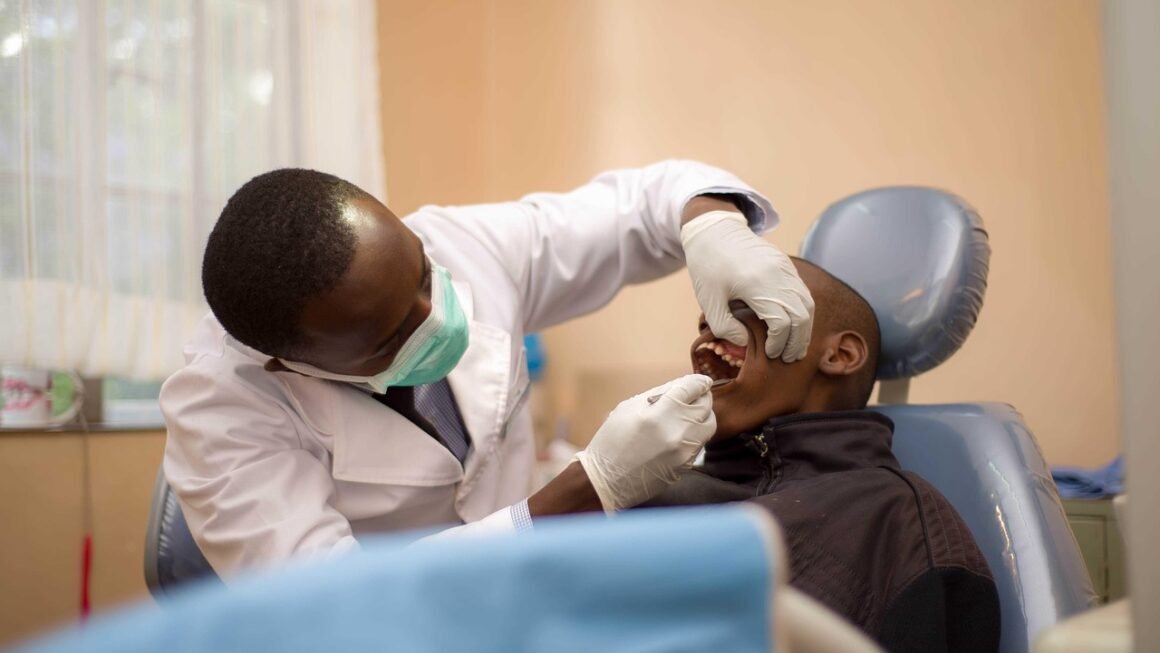
A typical professional dental cleaning appointment involves several steps:
- Examination: Your dentist or hygienist will begin with a visual examination of your teeth and gums to assess your overall oral health.
- Scaling: This involves using specialized instruments, like ultrasonic scalers and hand instruments, to remove plaque and tartar from your teeth and along the gum line.
- Polishing: A high-powered brush and polishing paste are used to remove surface stains and smooth the teeth.
- Fluoride Treatment: A fluoride varnish or gel is applied to strengthen tooth enamel and protect against decay. This is particularly important for children and individuals prone to cavities.
- Education: Your hygienist will provide personalized oral hygiene instructions and tips to improve your at-home care routine.
Why are Professional Cleanings Necessary?
Preventing Gum Disease
Gingivitis, the early stage of gum disease, is often caused by plaque and tartar buildup. If left untreated, gingivitis can progress to periodontitis, a more serious form of gum disease that can lead to tooth loss and bone damage. According to the CDC, nearly half of adults aged 30 or older show signs of gum disease.
Professional dental cleanings are critical in preventing and managing gum disease by removing the irritants that cause inflammation and infection.
Preventing Tooth Decay
Plaque contains bacteria that produce acids that erode tooth enamel, leading to cavities. Regular cleanings remove plaque and tartar, reducing the risk of tooth decay. Fluoride treatments during cleanings further strengthen tooth enamel and make it more resistant to acid attacks.
Detecting Oral Health Issues Early
During a dental cleaning appointment, your dentist or hygienist can identify early signs of oral health problems, such as:
- Cavities
- Gum disease
- Oral cancer
- Broken or cracked teeth
Early detection allows for prompt treatment, preventing more serious complications down the road. For example, a small cavity found during a cleaning can be treated with a simple filling, while a neglected cavity may require a root canal or extraction.
Improving Overall Health
Research suggests a link between oral health and overall health. Gum disease, in particular, has been linked to various systemic conditions, including:
- Heart disease
- Diabetes
- Stroke
- Respiratory infections
- Pregnancy complications
By maintaining good oral hygiene through professional cleanings, you may reduce your risk of developing these systemic conditions.
How Often Should You Get a Professional Cleaning?
General Recommendations
The American Dental Association (ADA) recommends professional dental cleanings at least once a year, and ideally every six months for most adults. However, the frequency of cleanings may vary depending on individual needs and risk factors.
Factors Affecting Cleaning Frequency
Your dentist may recommend more frequent cleanings if you have:
- A history of gum disease
- A weakened immune system
- Diabetes
- A tendency to build up plaque and tartar quickly
- Dry mouth (xerostomia)
- Are undergoing orthodontic treatment (braces)
Personalizing Your Cleaning Schedule
Talk to your dentist about your individual oral health needs and risk factors to determine the optimal cleaning schedule for you. They can assess your oral hygiene habits, gum health, and medical history to create a personalized plan.
Benefits Beyond Oral Health
A Brighter, More Confident Smile
Professional cleanings remove surface stains and discoloration, leaving your teeth brighter and more attractive. This can boost your confidence and improve your overall appearance.
Fresher Breath
Plaque and tartar buildup can harbor bacteria that cause bad breath (halitosis). Removing these deposits during a professional cleaning significantly improves breath freshness.
Preventing Costly Dental Procedures
Regular professional cleanings can help prevent more serious dental problems that require costly treatments. By detecting and addressing issues early, you can avoid the need for fillings, root canals, extractions, and other expensive procedures. In the long run, investing in regular cleanings saves you money.
Choosing a Dental Professional
Qualifications and Experience
When choosing a dental professional for your cleanings, look for a licensed dentist or registered dental hygienist with experience in providing comprehensive oral care. Check their credentials and online reviews to ensure they have a good reputation.
Technology and Techniques
Inquire about the technology and techniques used during cleanings. Modern dental practices often use advanced tools like ultrasonic scalers and digital X-rays to provide more effective and comfortable care.
Building a Relationship
Choose a dental practice where you feel comfortable and can build a long-term relationship with your dentist and hygienist. Regular communication and personalized care are essential for maintaining optimal oral health.
Conclusion
Professional dental cleanings are an indispensable part of maintaining excellent oral and overall health. By removing plaque and tartar, preventing gum disease and tooth decay, and enabling early detection of oral health issues, these cleanings offer a multitude of benefits. Don’t underestimate the power of a professional cleaning – schedule your appointment today to invest in a brighter, healthier smile and a better quality of life. Remember to consult with your dentist to determine the cleaning frequency that best suits your individual needs.