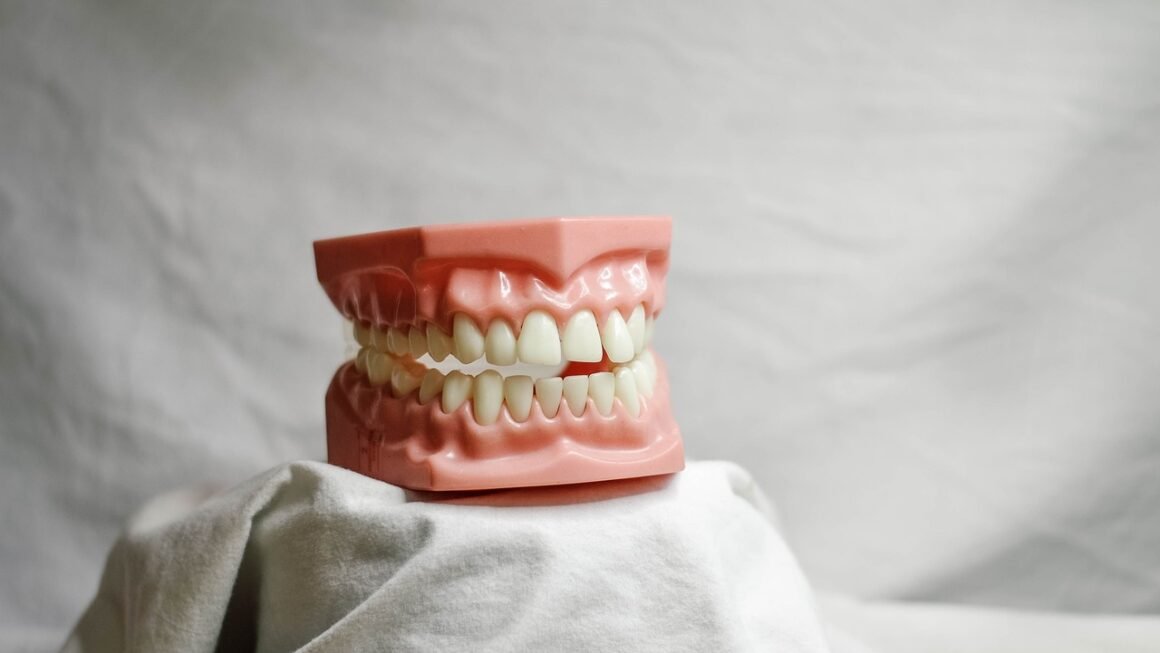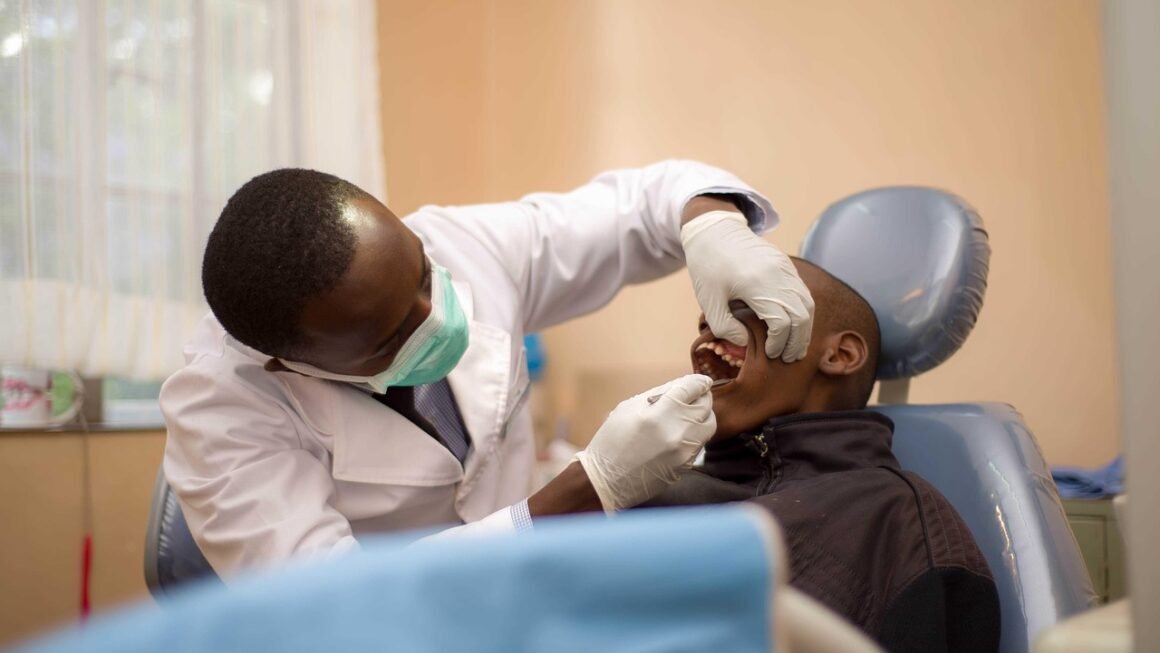
Regular dental checkups are a cornerstone of maintaining optimal oral health and overall well-being. Often overlooked, these routine visits are more than just a quick peek inside your mouth; they’re a proactive step in preventing dental problems, catching issues early, and ensuring a healthy, confident smile for years to come. Ignoring dental checkups can lead to significant and costly problems down the road.
Why Regular Dental Checkups Are Essential
Dental checkups are a crucial part of preventative healthcare. They allow your dentist to identify and address potential oral health issues before they become serious problems. Think of it like regular maintenance for your car – you wouldn’t skip oil changes, right? The same principle applies to your teeth!
Preventing Dental Problems
Regular checkups are the first line of defense against common dental issues.
- Plaque and Tartar Removal: Even with diligent brushing and flossing, some plaque and tartar (hardened plaque) buildup is inevitable, especially in hard-to-reach areas. A professional dental cleaning removes these deposits, preventing tooth decay and gum disease. For example, your hygienist will use special tools to scrape away tartar buildup that your toothbrush simply can’t reach.
- Early Detection of Tooth Decay: Your dentist can identify early signs of tooth decay, often before you even experience any symptoms. They use specialized tools and X-rays to detect cavities in their initial stages, allowing for prompt treatment with fillings.
- Gum Disease Prevention: Gum disease, also known as periodontal disease, is a silent killer of oral health. Regular checkups include gum examinations to detect early signs like redness, swelling, or bleeding. Early intervention can prevent the disease from progressing and causing tooth loss.
Early Detection of Oral Health Issues
Beyond preventing common problems, regular checkups allow for the early detection of more serious conditions.
- Oral Cancer Screening: During your checkup, your dentist will perform a thorough examination of your mouth, looking for any signs of oral cancer. Early detection is critical for successful treatment. They will check for unusual sores, lumps, or discoloration in your mouth, tongue, and throat.
- Detection of Other Health Problems: Oral health is closely linked to overall health. Your dentist can sometimes detect signs of other health problems, such as diabetes, nutritional deficiencies, or even certain systemic diseases, based on the condition of your mouth. For example, uncontrolled diabetes can manifest as dry mouth and increased susceptibility to gum disease.
- Assessment of Existing Dental Work: Regular checkups allow your dentist to assess the condition of any existing dental work, such as fillings, crowns, and bridges, ensuring they are functioning properly and preventing further complications. A loose filling, for example, can be quickly identified and replaced before decay occurs underneath.
What to Expect During a Dental Checkup
Knowing what to expect can alleviate any anxiety you may have about visiting the dentist. A typical checkup includes several key components.
Examination
This is the core of the checkup. Your dentist will:
- Visually inspect your teeth and gums: They’ll look for signs of decay, gum disease, and other abnormalities.
- Probe your gums: This involves using a small instrument to measure the depth of the pockets between your teeth and gums. Healthy gums have shallow pockets, while deeper pockets indicate gum disease.
- Check your bite: They’ll assess how your upper and lower teeth come together to identify any bite problems (malocclusion).
Cleaning
A professional cleaning is essential for removing plaque and tartar. The dental hygienist will:
- Scrape away plaque and tartar: Using specialized instruments, they’ll remove hardened deposits from your teeth and along the gum line.
- Polish your teeth: This removes surface stains and leaves your teeth feeling smooth.
- Floss your teeth: This removes debris from between your teeth, further cleaning and stimulating your gums.
X-Rays
X-rays are a valuable diagnostic tool that allows your dentist to see what’s happening beneath the surface of your teeth and gums.
- Detecting hidden problems: X-rays can reveal cavities that are not visible during a visual exam, as well as bone loss associated with gum disease.
- Assessing tooth roots: They can also show the position and health of your tooth roots.
- Monitoring bone levels: Particularly important for patients with periodontal disease.
Consultation
After the examination, cleaning, and X-rays (if needed), your dentist will discuss their findings with you.
- Discussing treatment options: If any problems are detected, your dentist will explain the available treatment options and help you choose the best course of action.
- Providing oral hygiene advice: They’ll also offer personalized advice on how to improve your oral hygiene habits at home. This might include recommendations on brushing techniques, flossing methods, and the use of specific oral hygiene products.
- Answering your questions: This is your opportunity to ask any questions you have about your oral health.
Choosing the Right Dentist
Finding a dentist you trust and feel comfortable with is crucial for ensuring you receive the best possible care.
Research and Recommendations
Start by researching dentists in your area and asking for recommendations from friends, family, or your primary care physician.
- Online reviews: Check online reviews to get an idea of other patients’ experiences with different dentists.
- Dental association websites: Many dental associations have online directories that can help you find qualified dentists in your area.
- Insurance compatibility: Make sure the dentist accepts your insurance plan.
First Visit Considerations
During your first visit, pay attention to the following:
- Office environment: Is the office clean and modern?
- Staff professionalism: Are the staff friendly and helpful?
- Dentist’s communication skills: Does the dentist explain things clearly and answer your questions thoroughly?
- Comfort level: Do you feel comfortable and respected by the dentist and staff?
Questions to Ask
Don’t hesitate to ask the dentist questions about their experience, qualifications, and treatment philosophy.
- What is your experience with [specific procedure]? For example, if you need an implant.
- What are your fees and payment options?
- How do you handle emergencies?
Frequency of Dental Checkups
The recommended frequency of dental checkups varies depending on individual needs.
General Recommendations
Most people should visit the dentist every six months for a routine checkup and cleaning. This allows for early detection of problems and preventative care.
Individual Factors
However, some people may need to visit more frequently, such as:
- People with a history of gum disease: They may need more frequent cleanings to prevent the disease from progressing.
- People with a high risk of tooth decay: This includes people with poor oral hygiene habits, dry mouth, or a diet high in sugar.
- People with certain medical conditions: Certain medical conditions, such as diabetes, can increase the risk of oral health problems.
Conclusion
Regular dental checkups are a vital investment in your oral and overall health. By prioritizing these routine visits, you can prevent dental problems, detect issues early, and maintain a healthy, confident smile for life. Don’t wait until you experience pain or discomfort – schedule your dental checkup today and take control of your oral health.