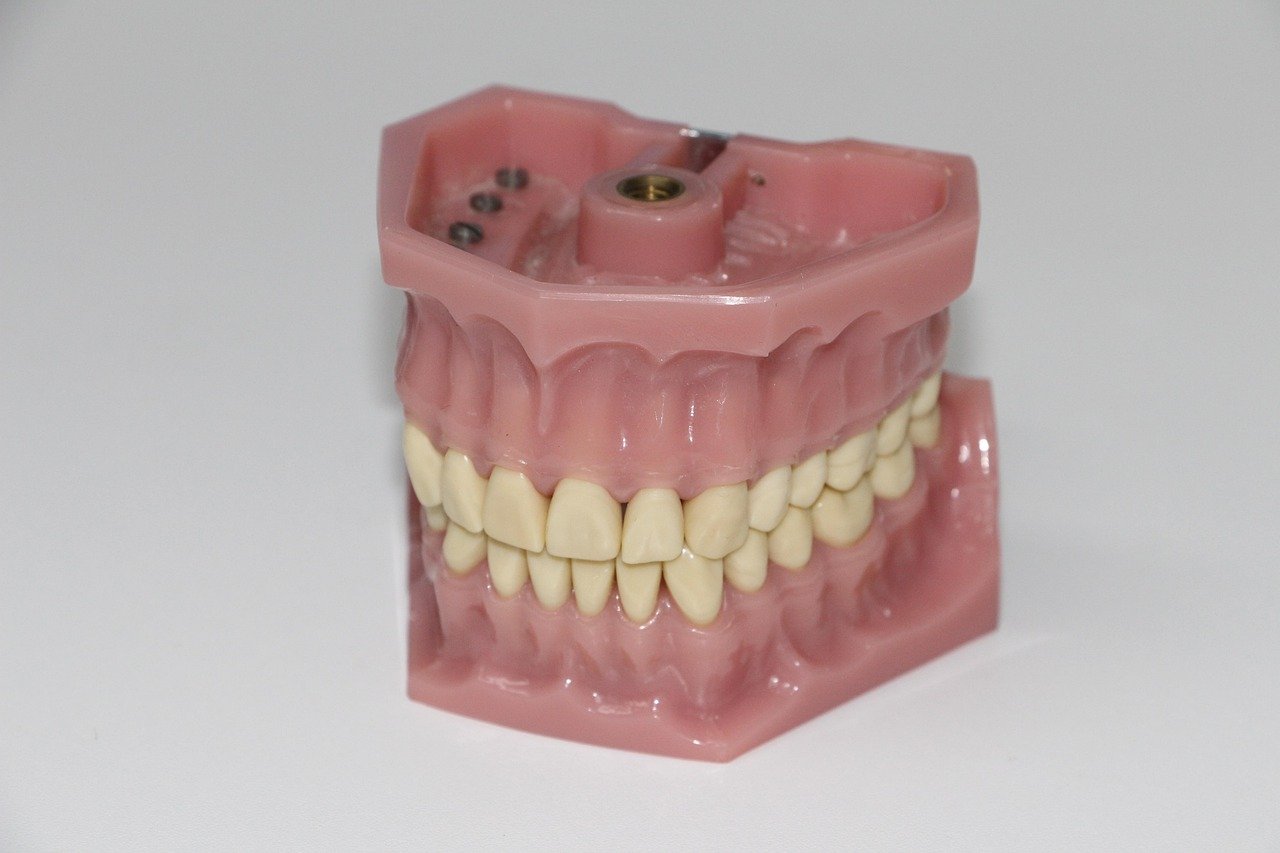
Dental health is often overlooked, yet it plays a crucial role in overall well-being. Regular check-ups and proper oral hygiene are essential, but the costs associated with dental care can be significant. This is where dental insurance comes in, offering a financial safety net and ensuring you can access the treatments you need without breaking the bank. Let’s delve into the world of dental insurance, exploring its intricacies and helping you make informed decisions about protecting your smile.
Understanding Dental Insurance
Dental insurance helps offset the costs of dental care, making it more affordable to maintain good oral health. It operates similarly to health insurance, with monthly premiums, deductibles, and co-insurance. Understanding the different types of plans and their coverage is the first step towards choosing the right dental insurance.
Types of Dental Insurance Plans
There are several types of dental insurance plans available, each with its own advantages and disadvantages. The most common include:
- Dental Health Maintenance Organization (DHMO): Typically the most affordable option with lower premiums and often no deductibles. However, you’re usually required to choose a primary care dentist within the network and obtain referrals for specialists.
Example: A DHMO plan might cost $20-$40 per month, with no deductible for routine checkups, but requires a referral to see an orthodontist.
- Dental Preferred Provider Organization (DPPO): Offers more flexibility than DHMO plans, allowing you to see any dentist, although you’ll usually pay less when you visit dentists within the PPO network. Premiums are generally higher than DHMO plans.
Example: A DPPO plan might cost $40-$70 per month with a $50 deductible. You can see any dentist, but in-network dentists offer lower out-of-pocket costs.
- Dental Indemnity Plans: These are the most flexible but also the most expensive. They allow you to see any dentist without needing a referral and often have higher annual maximums.
Example: A dental indemnity plan might cost $70-$100+ per month and have a higher annual maximum benefit but also a higher co-insurance percentage.
- Discount Dental Plans: Not technically insurance, these plans offer discounted rates on dental services at participating providers. There are no waiting periods or annual maximums, but you’re limited to the dentists in the discount network.
What Dental Insurance Covers
Most dental insurance plans categorize services into three main categories:
- Preventive Care: This includes routine checkups, cleanings, and X-rays. Most plans cover preventive care at or near 100%.
- Basic Procedures: This includes fillings, extractions, and root canals. These procedures are typically covered at 50-80%.
- Major Procedures: This includes crowns, bridges, dentures, and orthodontics. These procedures typically have the lowest coverage, often around 50%, and may have waiting periods.
Example: Your plan might cover 100% of preventive care, 80% of fillings, and 50% of a crown, up to the annual maximum.
* Practical Tip: Always check your plan’s specific coverage details and limitations before undergoing any dental work.
Benefits of Having Dental Insurance
Investing in dental insurance provides numerous benefits beyond just financial savings on dental procedures.
Maintaining Overall Health
Oral health is intrinsically linked to overall health. Dental problems can contribute to other health issues, such as cardiovascular disease, diabetes complications, and respiratory infections. Dental insurance encourages regular checkups, allowing dentists to identify and address potential problems early, before they escalate.
- Actionable Takeaway: Schedule regular dental checkups (every six months) to maintain good oral health and prevent more serious and costly problems.
Preventing Costly Problems
Regular dental care can prevent minor issues from becoming major, expensive problems. For example, a small cavity caught early can be filled quickly and affordably. Left untreated, it could require a root canal, crown, or even extraction.
- Example: A routine cleaning costing $100-$200 every six months can prevent a $1,000+ root canal down the road.
Access to a Wider Range of Treatments
Dental insurance makes a wider range of treatments more accessible, allowing you to choose the best option for your oral health without being solely limited by cost. This is especially important for major procedures like orthodontics, which can significantly improve your smile and overall oral health.
- Example: Orthodontic treatment can cost thousands of dollars. With dental insurance that covers orthodontics, the financial burden is significantly reduced, making it a more feasible option.
Factors to Consider When Choosing a Plan
Selecting the right dental insurance plan requires careful consideration of several factors.
Cost of Premiums, Deductibles, and Co-insurance
Compare the monthly premiums, annual deductibles, and co-insurance percentages of different plans. A plan with lower premiums might have a higher deductible, meaning you’ll pay more out-of-pocket before coverage kicks in.
- Practical Example: A plan with a $30 monthly premium and a $100 deductible might be more cost-effective for someone who only needs routine cleanings. But, a plan with a $50 monthly premium and a $50 deductible might be better for someone who anticipates needing more extensive dental work.
Annual Maximum Benefit
Most dental insurance plans have an annual maximum benefit, which is the total amount the insurance company will pay for your dental care in a year. Choose a plan with an annual maximum that meets your potential needs.
- Example: If you know you need a crown that costs $1,200, and your plan has a $1,000 annual maximum, you’ll be responsible for paying the remaining $200 (plus any deductible and co-insurance).
Network of Dentists
If you have a preferred dentist, make sure they are in-network with the plan you’re considering. Out-of-network dentists may not be covered or may have higher out-of-pocket costs.
- Tip: Use the insurance company’s online provider directory to check if your dentist is in-network.
Waiting Periods
Many dental insurance plans have waiting periods before certain procedures are covered. Waiting periods are common for major procedures like crowns and orthodontics, and it is extremely important to understand the waiting periods prior to electing a plan.
- Example: A plan might have a 6-month waiting period for basic procedures and a 12-month waiting period for major procedures.
Finding Affordable Dental Insurance
Affordable dental insurance options are available for individuals and families.
Employer-Sponsored Plans
Employer-sponsored dental insurance plans are often the most affordable option. Employers typically contribute to the premium, reducing your out-of-pocket costs.
- Actionable Takeaway: Check with your employer about available dental insurance options and compare them to individual plans.
Individual Dental Insurance Plans
If you’re self-employed or your employer doesn’t offer dental insurance, you can purchase an individual plan directly from an insurance company or through a marketplace.
- Tip: Compare quotes from multiple insurance companies to find the best rates and coverage.
Government Programs
Some government programs, like Medicaid, offer dental coverage to eligible individuals and families. Eligibility requirements vary by state.
- Example: Many states offer Medicaid dental coverage to children and pregnant women.
Conclusion
Dental insurance is a valuable investment in your oral health and overall well-being. By understanding the different types of plans, coverage options, and factors to consider, you can choose a plan that meets your individual needs and budget. Taking proactive steps to protect your smile will pay off in the long run, both financially and in terms of improved health and quality of life.