Orthodontic treatment is more than just straightening teeth; it’s about enhancing your smile, improving your oral health, and boosting your confidence. A visit to the orthodontist can address a range of issues, from misaligned teeth to jaw irregularities, leading to a lifetime of healthier smiles. Whether you’re considering braces for yourself or your child, understanding the role of an orthodontist and the available treatment options is crucial for making informed decisions.
What is an Orthodontist?
Specialized Dental Care
An orthodontist is a dentist who has undergone additional specialized training in the diagnosis, prevention, and treatment of dental and facial irregularities. Think of it as a dentist who has gone to “braces school”! They focus on aligning teeth and jaws to improve both the aesthetic appearance of your smile and your overall oral health.
- An orthodontist completes dental school followed by a 2-3 year residency program focused exclusively on orthodontics.
- They are experts in using braces, aligners (like Invisalign), and other appliances to correct bite problems (malocclusions).
- Orthodontists are trained in facial growth and development, enabling them to treat children and adolescents effectively.
Beyond Straight Teeth
While a straighter smile is a significant benefit, orthodontists address a wide array of problems:
- Overbite: Upper teeth protrude excessively over the lower teeth.
- Underbite: Lower teeth protrude beyond the upper teeth.
- Crossbite: One or more upper teeth bite inside the lower teeth.
- Open bite: A space exists between the upper and lower teeth when the mouth is closed.
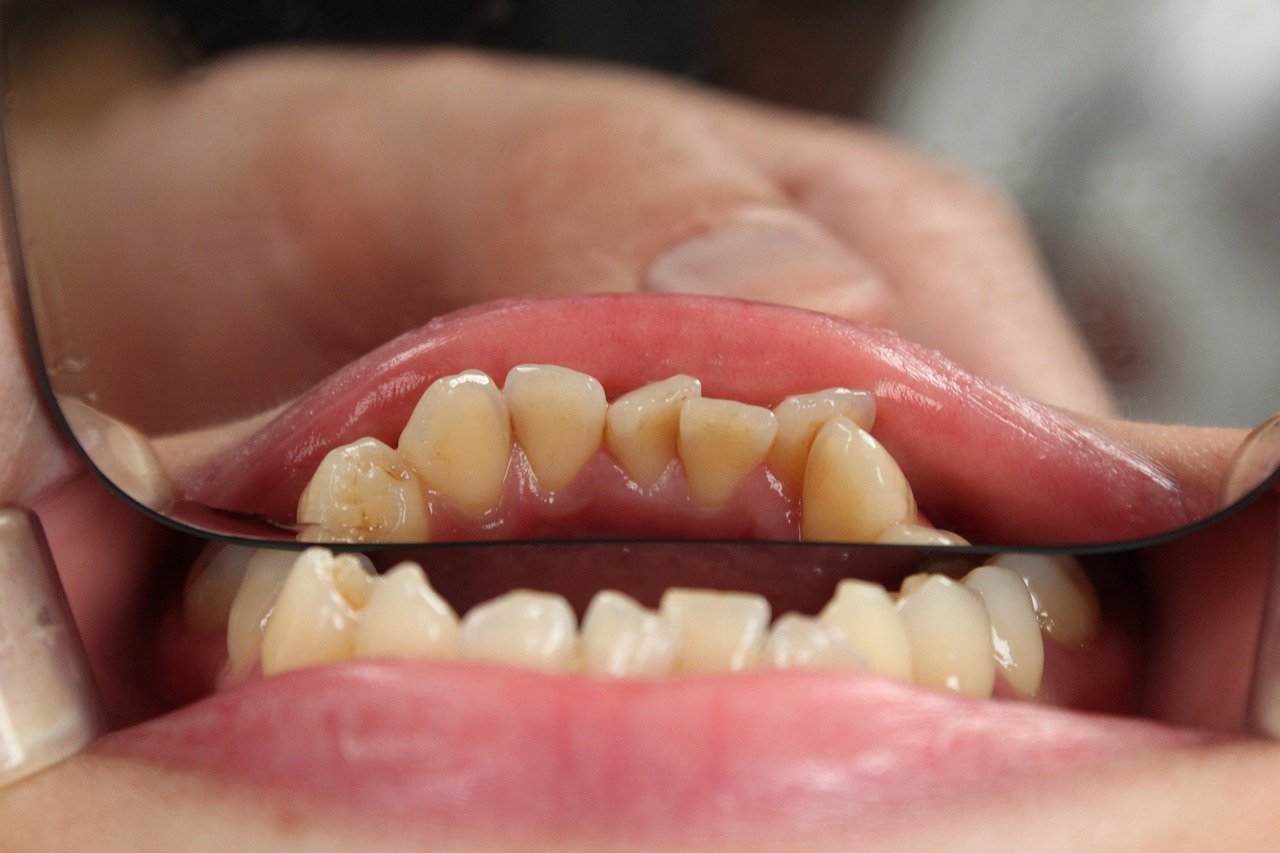
- Crowding: Teeth are too close together, leading to overlap and difficulty in cleaning.
- Spacing: Gaps exist between teeth.
Example: Imagine a child with a severe overbite. An orthodontist can use braces or other appliances to gradually move the teeth and jaws into proper alignment, not only improving the child’s appearance but also reducing the risk of future jaw pain and dental problems.
Benefits of Orthodontic Treatment
Improved Oral Health
Straight teeth are easier to clean and maintain, reducing the risk of cavities, gum disease, and bone loss. Properly aligned jaws can also alleviate stress on the jaw joints, reducing the likelihood of temporomandibular joint disorders (TMJ).
- Easier brushing and flossing leads to better plaque removal.
- Reduced strain on jaw muscles and joints alleviates pain and discomfort.
- Improved bite function allows for more efficient chewing and digestion.
Example: Individuals with crowded teeth often find it difficult to floss effectively. Correcting the crowding through orthodontic treatment allows for better access to all tooth surfaces, significantly reducing the risk of cavities and gum disease.
Enhanced Appearance and Confidence
A confident smile can have a profound impact on self-esteem and social interactions. Orthodontic treatment can dramatically improve the appearance of your teeth and face, leading to greater self-confidence and a more positive self-image.
- A straighter smile enhances your overall facial aesthetics.
- Improved self-esteem can boost social and professional opportunities.
- Increased confidence contributes to a more positive outlook on life.
Long-Term Health Benefits
Investing in orthodontic treatment can have long-term health benefits that extend beyond just a beautiful smile.
- Reduced risk of tooth wear and damage due to improper bite.
- Improved speech and pronunciation.
- Better sleep quality by addressing breathing problems associated with jaw alignment.
For example, a malocclusion (bad bite) can cause uneven wear and tear on teeth, potentially leading to chipped or broken teeth over time. Correcting the bite through orthodontics can prevent this damage and preserve your natural teeth for longer.
Types of Orthodontic Treatment
Traditional Braces
Traditional braces are the most common type of orthodontic treatment. They consist of brackets cemented to each tooth and connected by a wire. The wire is adjusted periodically to gradually move the teeth into the desired position.
- Metal Braces: The most traditional and cost-effective option. Made of high-quality stainless steel.
- Ceramic Braces: Tooth-colored brackets that are less noticeable than metal braces.
- Lingual Braces: Braces placed on the inside of the teeth, making them virtually invisible.
Clear Aligners (Invisalign)
Clear aligners, such as Invisalign, are a popular alternative to traditional braces. They are made of clear plastic and are custom-fitted to your teeth. Aligners are removable, making it easier to eat, brush, and floss.
- Removable: Allows for easier eating, drinking, brushing, and flossing.
- Virtually Invisible: Discreet appearance makes them a preferred option for adults.
- Comfortable: No metal brackets or wires to irritate the cheeks and gums.
Example: Consider an adult professional who needs orthodontic treatment but is concerned about the appearance of metal braces. Invisalign offers a discreet and convenient solution, allowing them to straighten their teeth without significantly impacting their professional life.
Other Orthodontic Appliances
In addition to braces and aligners, orthodontists may use other appliances to correct bite problems and guide jaw growth.
- Expanders: Widen the upper jaw to create more space for teeth.
- Retainers: Maintain the alignment of teeth after orthodontic treatment.
- Headgear: Used to correct severe overbites by applying pressure to the upper jaw.
- Functional Appliances: Guide jaw growth in children and adolescents.
Choosing the Right Orthodontist
Credentials and Experience
When choosing an orthodontist, it’s important to look for someone who is board-certified and has extensive experience in treating a variety of orthodontic cases.
- Board Certification: Indicates that the orthodontist has met the rigorous standards of the American Board of Orthodontics.
- Experience: Choose an orthodontist who has treated cases similar to yours.
- Continuing Education: Look for an orthodontist who stays up-to-date with the latest advancements in orthodontics.
Consultation and Communication
A good orthodontist will take the time to thoroughly evaluate your oral health, discuss your treatment options, and answer all of your questions.
- Comprehensive Examination: Includes a thorough examination of your teeth, jaws, and facial structure.
- Personalized Treatment Plan: A treatment plan that is tailored to your specific needs and goals.
- Clear Communication: The orthodontist should explain the treatment process in a way that you understand and be available to answer your questions throughout the treatment.
Technology and Treatment Options
An orthodontist who utilizes advanced technology and offers a variety of treatment options is better equipped to provide you with the best possible care.
- Digital X-rays and Scans: Provide more accurate and detailed images of your teeth and jaws.
- 3D Printing: Used to create custom aligners and appliances.
- Invisalign Provider: Choose an orthodontist who is an experienced Invisalign provider if you are interested in clear aligner treatment.
Conclusion
Orthodontic treatment is a valuable investment in your oral health and overall well-being. By understanding the role of an orthodontist, the benefits of treatment, and the available options, you can make an informed decision about whether or not to pursue orthodontic care. Choosing the right orthodontist is essential for a successful and rewarding treatment experience. Take the time to research your options, schedule consultations, and ask questions to find an orthodontist who is qualified, experienced, and committed to helping you achieve a healthy and beautiful smile. A consultation will typically include an exam, a discussion of your goals and any concerns, and an overview of potential treatment plans and payment options. Don’t hesitate to take the first step towards a straighter, healthier smile – it could change your life!