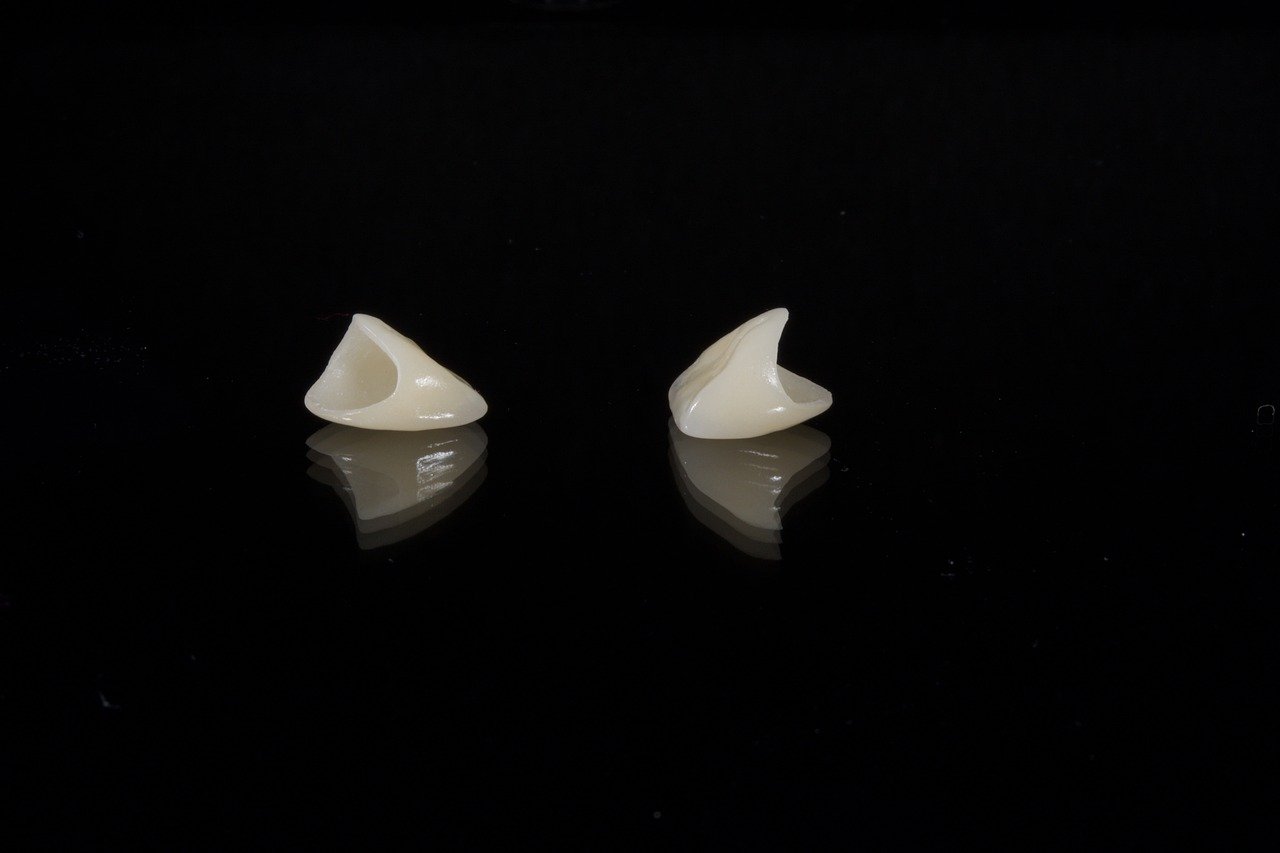
Cosmetic dentistry can dramatically improve your smile and boost your confidence, but many treatments come with a significant price tag. Understanding your options for cosmetic dental insurance can help make these procedures more accessible and affordable. This comprehensive guide breaks down what cosmetic dental insurance covers, how it works, and how to find the right plan for your needs.
Understanding Cosmetic vs. Restorative Dentistry
What Qualifies as Cosmetic?
It’s crucial to distinguish between cosmetic and restorative dental procedures because insurance coverage differs significantly. Cosmetic dentistry primarily focuses on enhancing the appearance of your teeth and smile. These procedures are generally considered elective.
- Examples of cosmetic procedures:
Teeth whitening
Porcelain veneers
Cosmetic dental bonding
Gingival sculpting (gum contouring)
Smile makeovers
Restorative Dentistry: What Insurance Usually Covers
Restorative dentistry focuses on repairing damaged or diseased teeth and restoring functionality. Dental insurance plans typically cover at least a portion of these procedures.
- Examples of restorative procedures:
Fillings (cavity repair)
Dental crowns (for damaged teeth)
Dental bridges (to replace missing teeth)
Root canals (to treat infected teeth)
Dental implants (in some cases, especially when medically necessary)
Dentures (to replace missing teeth)
- Actionable takeaway: Determine whether your desired procedure is classified as cosmetic or restorative to understand your potential coverage.
Does Dental Insurance Cover Cosmetic Procedures?
The Reality of Cosmetic Dental Insurance Coverage
Standard dental insurance plans often exclude or severely limit coverage for purely cosmetic procedures. This is because insurance companies typically view cosmetic enhancements as optional and not medically necessary.
- Typical Limitations:
Exclusions: Many plans explicitly exclude cosmetic procedures.
Limited Coverage: Some plans may offer a small allowance towards cosmetic work, but it’s usually a fraction of the total cost.
Waiting Periods: Even with some coverage, expect waiting periods (often 6-12 months) before benefits become available.
When Cosmetic Procedures Are Considered Restorative
There are instances where a procedure might be considered both cosmetic and restorative, potentially increasing the likelihood of insurance coverage.
- Example 1: A Crown to Fix a Broken Tooth. If a broken tooth is causing functional issues, and a crown (which can also improve appearance) is recommended, the insurance company may cover part of the cost.
- Example 2: Dental Implants After Tooth Loss. While often considered cosmetic, implants may be covered if the tooth loss resulted from an accident or medical condition. You’ll likely need thorough documentation from your dentist.
- Actionable takeaway: Discuss the potential for partial coverage with your dentist. They can often provide documentation to support a claim if there’s a functional benefit to the procedure.
Types of Dental Insurance Plans
HMO (Health Maintenance Organization)
HMO plans generally have lower premiums but require you to choose a primary care dentist from their network. Referrals are typically needed to see specialists. HMOs are less likely to cover out-of-network cosmetic procedures.
- Pros: Lower premiums, predictable costs.
- Cons: Limited dentist selection, referral requirements, low cosmetic coverage.
PPO (Preferred Provider Organization)
PPO plans offer more flexibility in choosing your dentist. You can see out-of-network dentists, but you’ll usually pay more. PPOs are slightly more likely to offer some coverage for cosmetic procedures, but it’s still limited.
- Pros: Greater dentist choice, no referral requirements.
- Cons: Higher premiums, higher out-of-pocket costs for out-of-network dentists.
Indemnity Plans
Indemnity plans (also known as fee-for-service plans) offer the most flexibility. You can see any dentist, and the plan pays a percentage of the dentist’s fees. These plans sometimes offer slightly better coverage for cosmetic procedures, but they also tend to have the highest premiums.
- Pros: Maximum dentist choice, potentially better cosmetic coverage.
- Cons: Highest premiums, often require upfront payment and reimbursement.
Discount Dental Plans
These are not insurance plans. Instead, you pay an annual fee to access a network of dentists who offer discounted rates. These plans can be helpful for cosmetic procedures, but savings vary depending on the dentist and procedure.
- Pros: Lower cost compared to insurance, immediate access to discounts.
- Cons: Not insurance, discounts vary, limited dentist selection.
- Actionable takeaway: Compare the different types of plans based on your budget, desired level of dentist choice, and the specific cosmetic procedures you’re considering.
Finding a Dental Insurance Plan That Covers Cosmetic Procedures
Research and Compare
Don’t settle for the first plan you find. Compare multiple plans from different providers to find the best fit.
- Key Factors to Consider:
Coverage Details: Scrutinize the policy details to understand what’s covered and what’s excluded. Look for specifics about cosmetic procedures.
Premiums, Deductibles, and Coinsurance: Compare the monthly premiums, annual deductible, and coinsurance percentages (the portion you pay after meeting the deductible).
Annual Maximum: The annual maximum is the maximum amount the insurance company will pay for dental care in a year.
Waiting Periods: Be aware of waiting periods before certain procedures are covered.
Network Restrictions: If you have a preferred dentist, confirm they are in the plan’s network.
Consider a Supplemental Dental Insurance Policy
If your primary dental insurance provides inadequate cosmetic coverage, consider a supplemental policy. These policies can provide additional coverage for specific procedures.
- Benefits of Supplemental Insurance:
Increased Coverage: Supplements can fill the gaps in your existing plan.
Targeted Benefits: Some supplemental policies focus on specific types of procedures, such as implants or orthodontics (which can sometimes be considered cosmetic).
Explore Alternative Funding Options
If insurance coverage is limited or unavailable, explore alternative funding options to make cosmetic dentistry more affordable.
- Options to Explore:
Dental Savings Plans: As mentioned, not insurance, but offering discounts.
Financing Plans: Many dentists offer financing options or work with third-party lenders like CareCredit.
Medical Credit Cards: These cards offer promotional financing options for healthcare expenses.
Personal Loans: Consider a personal loan from a bank or credit union.
Payment Plans: Ask your dentist if they offer in-house payment plans.
- Actionable takeaway: Don’t rely on a single source of information. Contact insurance providers directly, consult with a dental insurance broker, and talk to your dentist’s office for advice.
Communicating with Your Dentist and Insurance Provider
Pre-Treatment Estimates
Before undergoing any cosmetic procedure, request a pre-treatment estimate from your dentist and submit it to your insurance provider. This will give you a clear understanding of your potential out-of-pocket costs.
- Importance of Pre-Treatment Estimates:
Cost Transparency: Understand the total cost of the procedure.
Coverage Confirmation: Confirm what your insurance will cover.
Avoid Surprises: Prevent unexpected bills.
Document Everything
Keep detailed records of all communication with your dentist and insurance provider. This includes emails, phone calls, and claim documents.
Appealing Denied Claims
If your insurance claim is denied, don’t give up. You have the right to appeal the decision.
- Steps to Appeal a Claim:
1. Review the Denial: Understand the reason for the denial.
2. Gather Supporting Documentation: Collect records from your dentist, including X-rays and treatment plans.
3. Write a Formal Appeal Letter: Clearly explain why you believe the claim should be covered.
4. Submit the Appeal: Follow your insurance provider’s instructions for submitting an appeal.
- Actionable takeaway: Be proactive in communication and documentation to navigate the insurance process effectively.
Conclusion
Cosmetic dental insurance coverage can be tricky to navigate, but with research, planning, and proactive communication, you can increase your chances of finding a plan that meets your needs. Remember to understand the difference between cosmetic and restorative procedures, explore various insurance options, and consider alternative funding sources. By taking these steps, you can make your dream smile a reality without breaking the bank.