That gritty feeling on your teeth, the one that seems to accumulate no matter how diligently you brush – that’s likely tartar, also known as calculus. While brushing removes plaque, tartar is a hardened deposit that can only be removed by a dental professional. Left unchecked, tartar buildup can lead to serious oral health problems. This article delves into the world of tartar control, providing you with the knowledge and strategies to keep your pearly whites healthy and bright.
What is Tartar and Why is it a Problem?
Understanding Plaque and its Transformation into Tartar
Plaque is a sticky film of bacteria that constantly forms on your teeth. It’s a natural process, but when plaque isn’t removed through regular brushing and flossing, it mineralizes and hardens into tartar. This process typically takes about 24 to 72 hours, but can vary depending on individual factors like saliva composition and oral hygiene habits.
- Plaque is primarily composed of bacteria, saliva, and food debris.
- Tartar is hardened plaque, making it more difficult to remove.
- Once tartar forms, it provides a rough surface for more plaque to accumulate, creating a vicious cycle.
The Dangers of Tartar Buildup
Tartar’s rough texture and porosity create an ideal breeding ground for bacteria. This bacterial haven can lead to several oral health issues:
- Gingivitis: Inflammation of the gums, characterized by redness, swelling, and bleeding. This is the earliest stage of gum disease and is usually reversible with improved oral hygiene.
- Periodontitis: A more advanced form of gum disease where the gums pull away from the teeth, forming pockets that become infected. This can lead to bone and tissue loss, and eventually tooth loss.
- Cavities: Tartar can contribute to tooth decay by trapping acids produced by bacteria close to the tooth enamel.
- Bad Breath (Halitosis): Bacteria in tartar produce volatile sulfur compounds that contribute to persistent bad breath.
- Stained Teeth: Tartar can absorb stains more easily than tooth enamel, leading to unsightly discoloration.
Effective Oral Hygiene Practices for Tartar Control
Brushing Techniques
Brushing is your first line of defense against plaque and tartar formation. Proper technique is key to maximizing its effectiveness.
- Brush at least twice a day, for two minutes each time.
- Use a soft-bristled toothbrush to avoid damaging your gums and enamel.
- Use fluoride toothpaste. Fluoride strengthens tooth enamel and helps prevent cavities.
- Employ the “Bass technique”: Angle the toothbrush at a 45-degree angle to the gum line and use short, gentle, vibrating motions.
- Clean all surfaces of your teeth: outer, inner, and chewing surfaces.
- Replace your toothbrush every three months or sooner if the bristles are frayed.
Example: Imagine painting a fence. You wouldn’t just slap the paint on; you’d carefully brush each slat, ensuring even coverage. Brushing your teeth is similar – take your time and be thorough!
The Importance of Flossing
Flossing removes plaque and food particles from between your teeth, areas that your toothbrush can’t reach. Daily flossing is crucial for preventing tartar buildup in these hard-to-reach areas.
- Floss at least once a day, preferably before bedtime.
- Use about 18 inches of floss, wrapping it around your middle fingers.
- Gently guide the floss between your teeth using a sawing motion.
- Curve the floss around each tooth in a “C” shape, going just below the gum line.
- Use a fresh section of floss for each tooth.
- Consider using floss picks if you find traditional flossing difficult.
Example: Think of flossing as cleaning the grout between tiles. It removes the debris that accumulates in the crevices, preventing mold and mildew (in this case, plaque and tartar) from forming.
Mouthwash and Other Aids
While brushing and flossing are the cornerstones of oral hygiene, mouthwash can provide an extra layer of protection.
- Antiseptic Mouthwash: Kills bacteria that contribute to plaque and tartar formation. Look for mouthwashes containing ingredients like chlorhexidine gluconate (prescription-strength), cetylpyridinium chloride (CPC), or essential oils.
- Fluoride Mouthwash: Helps strengthen tooth enamel and prevent cavities.
- Interdental Brushes: Useful for cleaning between teeth, especially if you have gaps or receding gums.
- Tongue Scrapers: Removing bacteria from the tongue can help reduce bad breath and the overall bacterial load in your mouth.
Professional Dental Cleanings
The Role of a Dentist or Dental Hygienist
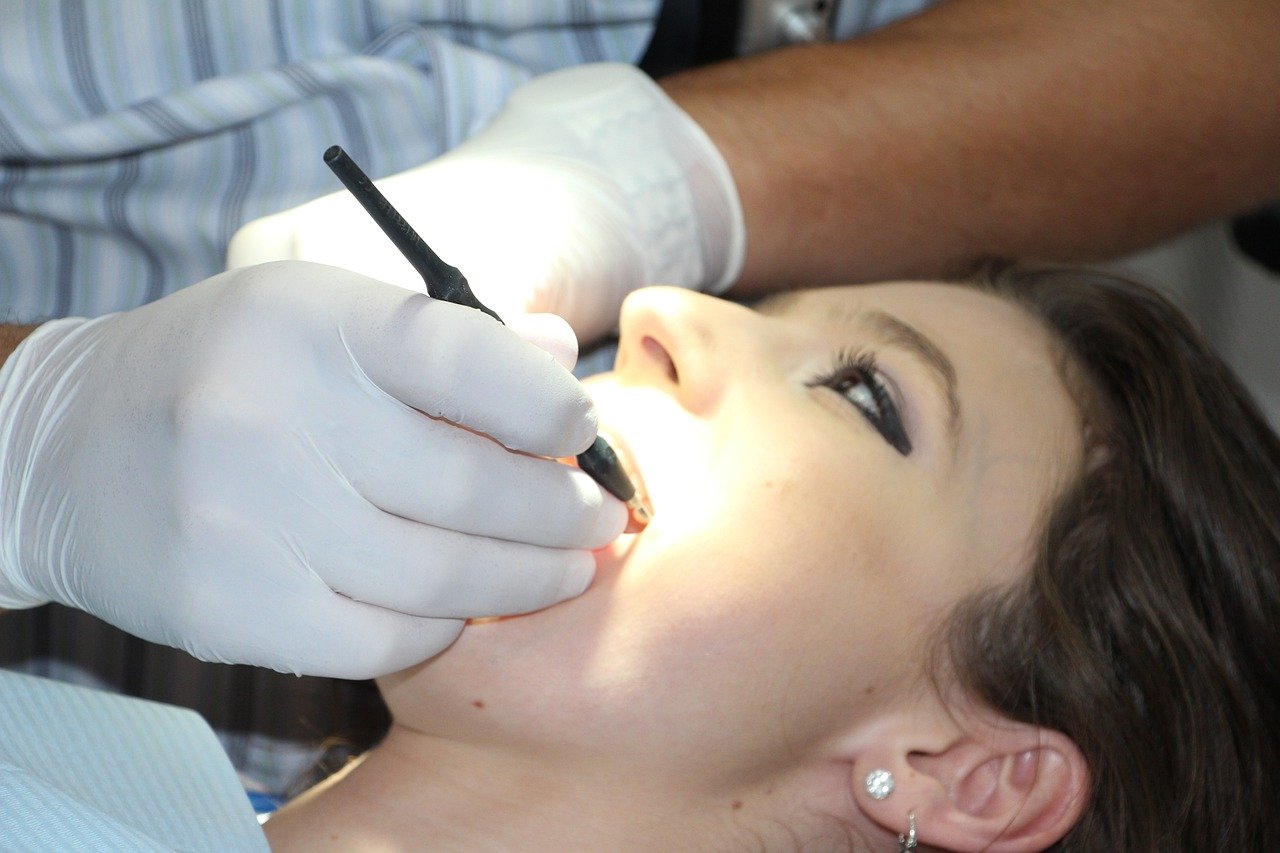
Even with diligent home care, some tartar buildup is inevitable. Professional dental cleanings are essential for removing tartar that you can’t reach or remove yourself.
- Scaling: Using specialized instruments to scrape away tartar from above and below the gum line.
- Root Planing: Smoothing the surfaces of the tooth roots to prevent plaque and tartar from accumulating easily.
- Polishing: Polishing teeth after scaling and root planing helps remove surface stains and leaves the teeth feeling smooth.
Recommendation: Schedule professional dental cleanings at least twice a year, or more frequently if you have a history of gum disease or heavy tartar buildup.
What to Expect During a Cleaning
A typical dental cleaning involves:
Diet and Lifestyle Factors Affecting Tartar Formation
Foods to Limit
Certain foods and beverages contribute to plaque and tartar formation. Limiting your intake of these items can help improve your oral health.
- Sugary Foods and Drinks: Provide fuel for bacteria to produce acids that attack tooth enamel. Examples: candy, soda, pastries, sweetened cereals.
- Acidic Foods and Drinks: Can erode tooth enamel, making it more susceptible to plaque and tartar buildup. Examples: citrus fruits, fruit juices, coffee, energy drinks.
- Starchy Foods: Can break down into sugars in the mouth, feeding bacteria. Examples: bread, pasta, potatoes, chips.
Foods That Promote Oral Health
Some foods can actually help promote oral health and reduce plaque and tartar formation.
- Crunchy Fruits and Vegetables: Stimulate saliva production, which helps neutralize acids and wash away food particles. Examples: apples, carrots, celery.
- Dairy Products: Contain calcium and phosphorus, which strengthen tooth enamel. Examples: milk, cheese, yogurt.
- Green Tea: Contains polyphenols that have antibacterial properties.
- Water: Helps rinse away food particles and bacteria.
Lifestyle Choices
Your lifestyle choices can also impact your oral health and tartar formation.
- Quit Smoking: Smoking increases the risk of gum disease and tartar buildup.
- Limit Alcohol Consumption: Excessive alcohol consumption can dry out the mouth, making it easier for plaque to accumulate.
- Stay Hydrated: Drinking plenty of water helps keep your mouth moist and washes away food particles.
Conclusion
Tartar control is a crucial aspect of maintaining good oral health. By practicing diligent oral hygiene habits, making smart dietary choices, and scheduling regular professional dental cleanings, you can significantly reduce your risk of tartar buildup and the associated oral health problems. Remember, prevention is always better than cure when it comes to your smile. Consistent effort in these areas will contribute to a healthier, brighter, and more confident you.