Maintaining excellent dental hygiene is crucial for a healthy smile and overall well-being. Beyond just aesthetics, good oral hygiene prevents cavities, gum disease, and even contributes to better systemic health. This comprehensive guide provides practical tips and actionable advice to elevate your dental care routine and achieve a sparkling, healthy smile.
Mastering the Art of Brushing
Brushing is the cornerstone of dental hygiene, but are you doing it correctly? Effective brushing removes plaque and food debris, preventing the buildup that leads to dental problems.
The Right Technique
- Angle Matters: Hold your toothbrush at a 45-degree angle to your gumline. This allows the bristles to reach under the gums and effectively remove plaque.
- Gentle Circular Motions: Use small, gentle circular motions to clean each tooth. Avoid scrubbing vigorously, as this can damage your enamel and gums.
- Two Minutes is Key: Brush for at least two minutes, ensuring you cover all surfaces of each tooth – front, back, and top. Using a timer or an electric toothbrush with a built-in timer can help.
- Don’t Forget Your Tongue: Bacteria can accumulate on your tongue, contributing to bad breath. Use a tongue scraper or your toothbrush to gently clean your tongue.
Choosing the Right Toothbrush and Toothpaste
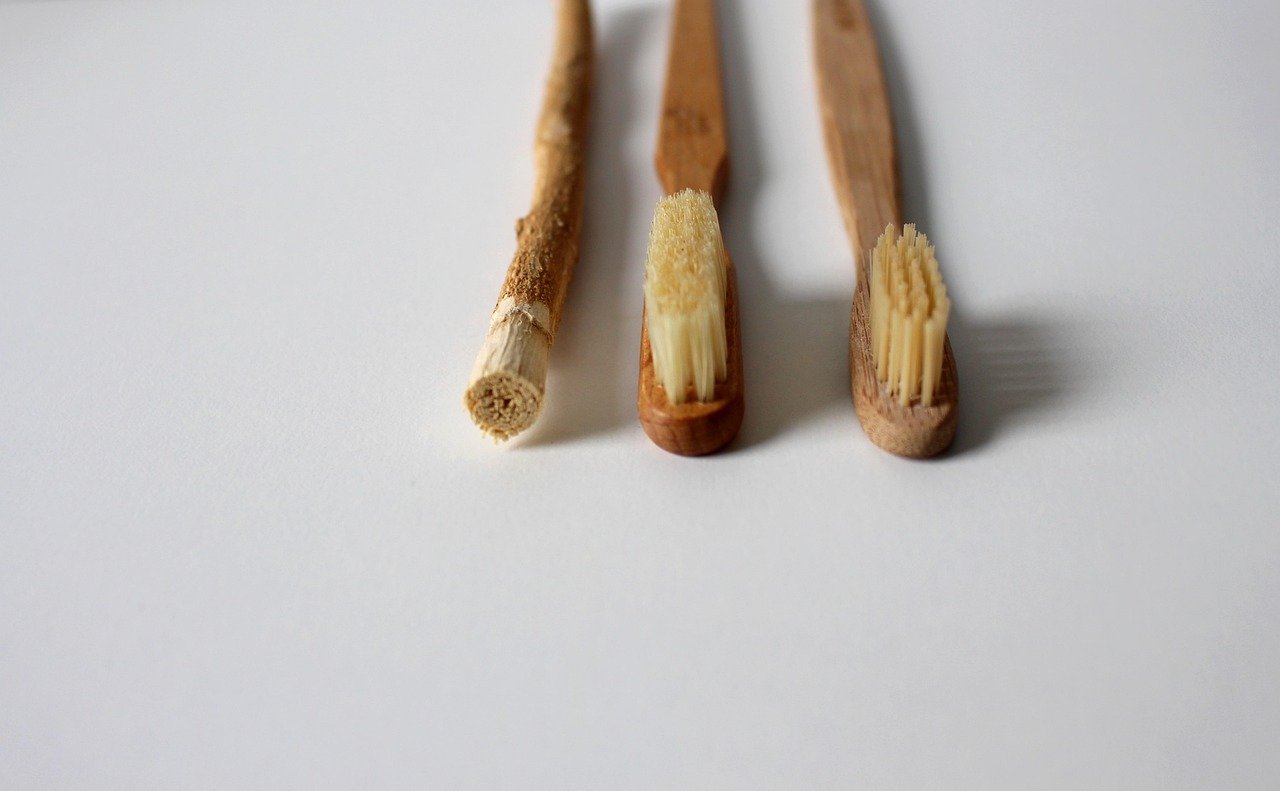
- Soft Bristles are Best: Opt for a toothbrush with soft bristles to avoid irritating your gums and damaging your enamel.
- ADA Seal of Acceptance: Look for toothbrushes and toothpastes that have the American Dental Association (ADA) Seal of Acceptance, which indicates that the product has been tested and proven safe and effective.
- Fluoride is Essential: Choose a fluoride toothpaste to help strengthen your enamel and protect against cavities.
- Consider Your Needs: If you have sensitive teeth, consider using a toothpaste formulated for sensitivity.
When to Replace Your Toothbrush
- Every Three Months: Replace your toothbrush every three months, or sooner if the bristles are frayed or worn.
- After Illness: Replace your toothbrush after you’ve been sick to prevent re-infection.
- Washing Your Brush: Always rinse your toothbrush thoroughly with water after each use and store it upright to air dry.
The Importance of Flossing
Flossing is often overlooked, but it’s just as crucial as brushing for maintaining optimal dental health. Flossing removes plaque and food particles from between your teeth, where your toothbrush can’t reach.
The Correct Flossing Method
- Use Sufficient Floss: Use about 18 inches of floss and wind most of it around your middle fingers, leaving a few inches to work with.
- Gentle Guidance: Gently guide the floss between your teeth using a sawing motion. Avoid snapping the floss into your gums.
- Curve the Floss: Curve the floss around each tooth in a “C” shape and slide it up and down, reaching below the gumline.
- Use Clean Sections: Use a clean section of floss for each tooth to avoid spreading bacteria.
Types of Floss
- Waxed vs. Unwaxed: Choose waxed or unwaxed floss based on your personal preference and the tightness of your teeth. Waxed floss may be easier to slide between tight teeth.
- Floss Picks: Floss picks can be a convenient alternative to traditional floss, especially for those who find flossing difficult.
- Water Flossers: Water flossers, also known as oral irrigators, use a stream of water to remove plaque and food particles from between your teeth. They can be particularly helpful for people with braces or other dental appliances.
When to Floss
- At Least Once a Day: Floss at least once a day, preferably before bedtime, to remove plaque and food particles that have accumulated throughout the day.
- Consistency is Key: Make flossing a regular part of your daily routine to reap its full benefits.
Diet and Dental Health
What you eat and drink significantly impacts your dental health. Sugary and acidic foods can erode enamel and increase the risk of cavities.
Foods to Limit
- Sugary Snacks and Drinks: Limit your consumption of sugary snacks, such as candies, cookies, and sodas, as they feed bacteria in your mouth and contribute to plaque formation.
- Acidic Foods and Drinks: Avoid or limit acidic foods and drinks, such as citrus fruits, tomatoes, and carbonated beverages, as they can erode your enamel over time.
- Sticky Foods: Sticky foods, such as caramel and taffy, can cling to your teeth and provide a breeding ground for bacteria.
Foods to Embrace
- Water: Drink plenty of water throughout the day to help wash away food particles and keep your mouth hydrated.
- Crunchy Fruits and Vegetables: Eating crunchy fruits and vegetables, such as apples, carrots, and celery, can help scrub your teeth and stimulate saliva production.
- Dairy Products: Dairy products, such as milk, cheese, and yogurt, are rich in calcium and phosphorus, which are essential for strong teeth and bones.
- Sugar-Free Gum: Chewing sugar-free gum after meals can help stimulate saliva production, which helps neutralize acids and wash away food particles.
Smart Snacking Habits
- Snack Strategically: Choose healthy snacks, such as fruits, vegetables, and nuts, over sugary or processed snacks.
- Rinse After Snacking: Rinse your mouth with water after snacking to help remove food particles and neutralize acids.
- Avoid Frequent Snacking: Frequent snacking can expose your teeth to acids and sugars throughout the day, increasing the risk of cavities.
Professional Dental Care
Regular visits to your dentist and dental hygienist are essential for maintaining optimal dental health. Professional cleanings remove plaque and tartar buildup that you can’t remove at home, and your dentist can detect and treat dental problems early on.
Regular Check-Ups
- Schedule Appointments: Schedule regular check-ups with your dentist at least twice a year, or more frequently if you have a history of dental problems.
- Early Detection: Regular check-ups allow your dentist to detect and treat dental problems, such as cavities and gum disease, early on, before they become more serious.
- Personalized Advice: Your dentist can provide personalized advice on how to improve your dental hygiene and address any specific concerns you may have.
Professional Cleanings
- Remove Plaque and Tartar: Professional cleanings remove plaque and tartar buildup that you can’t remove at home, helping to prevent cavities and gum disease.
- Polishing: Your dental hygienist will polish your teeth to remove stains and make them feel smooth and clean.
- Fluoride Treatment: Your dentist may recommend a fluoride treatment to help strengthen your enamel and protect against cavities.
Addressing Specific Concerns
- Gum Disease: If you have gum disease, your dentist may recommend a deep cleaning, also known as scaling and root planing, to remove plaque and tartar from below the gumline.
- Cavities: If you have cavities, your dentist will fill them to prevent further decay.
- Orthodontics: If you have crooked or misaligned teeth, your dentist may recommend orthodontic treatment, such as braces or Invisalign.
Conclusion
Adopting these dental hygiene tips and making them a part of your daily routine can significantly improve your oral health and overall well-being. Remember that consistency is key, and combining these practices with regular dental visits will pave the way for a lifetime of healthy, confident smiles.