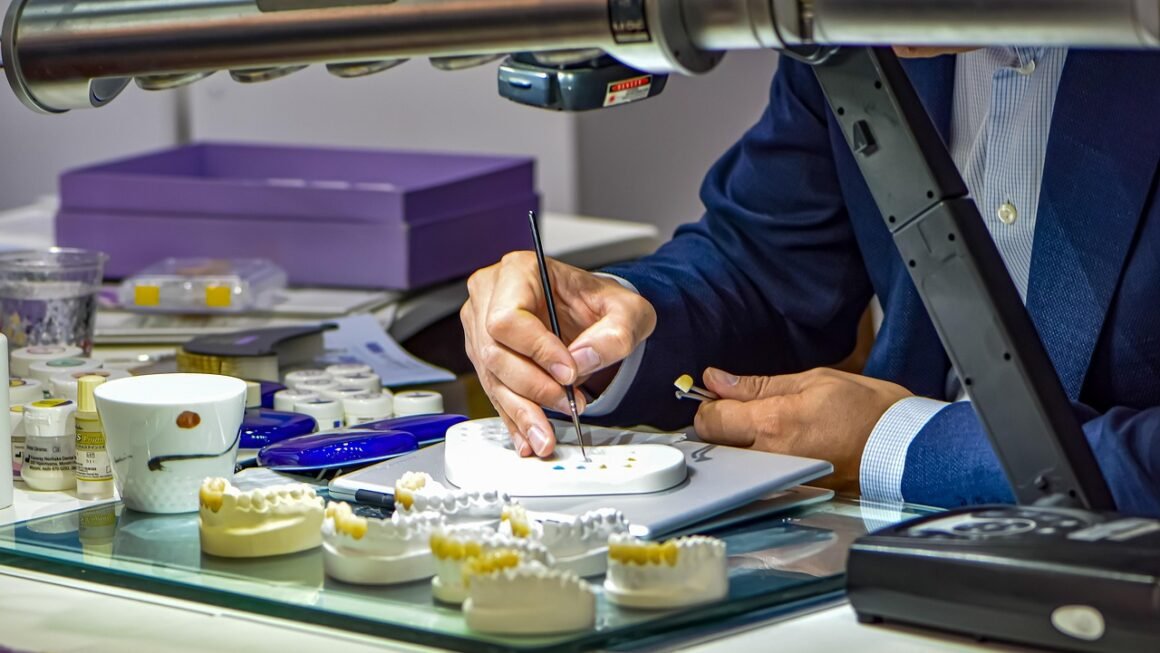
Teeth whitening has become a booming industry, driven by our collective desire for a brighter, more confident smile. But before you reach for professional bleaching treatments, understanding the causes and solutions for tooth stains is key. This guide delves into the world of tooth stain removers, exploring various options from over-the-counter products to professional treatments, helping you achieve a dazzling smile effectively and safely.
Understanding Tooth Stains: Types and Causes
Extrinsic Stains
Extrinsic stains are those that appear on the outer surface of your teeth. They’re usually the easiest to treat and are caused by external factors.
- Common Culprits:
Foods and Drinks: Coffee, tea, red wine, berries, and darkly pigmented sauces like soy sauce can significantly stain teeth over time.
Tobacco Use: Smoking or chewing tobacco leads to stubborn brown or black stains due to tar and nicotine.
Poor Oral Hygiene: Inadequate brushing and flossing allow plaque and tartar to build up, trapping stain-causing particles.
Certain Mouthwashes: Some mouthwashes containing chlorhexidine or cetylpyridinium chloride can cause staining with prolonged use.
Intrinsic Stains
Intrinsic stains originate from within the tooth structure, making them more challenging to remove.
- Causes of Intrinsic Stains:
Medications: Certain antibiotics, like tetracycline, can cause permanent staining if taken during tooth development (usually before age 8).
Fluorosis: Excessive fluoride intake during tooth formation can lead to white or brown spots on the enamel.
Trauma: Injury to a tooth can cause internal bleeding and discoloration.
Age: As we age, the enamel thins, revealing the yellowish dentin underneath.
Over-the-Counter Tooth Stain Removers
Whitening Toothpastes
Whitening toothpastes are a readily available and affordable option for tackling surface stains.
- How They Work: These toothpastes contain abrasive ingredients (like hydrated silica) and/or chemical agents (like hydrogen peroxide or carbamide peroxide) to polish and lighten the enamel.
- Effectiveness: Whitening toothpastes are most effective against mild, extrinsic stains. They can help maintain brightness after professional treatments.
- Important Considerations: Look for toothpastes with the ADA Seal of Acceptance. Be mindful of sensitivity – some whitening toothpastes can irritate gums or increase tooth sensitivity. Consider alternating between a whitening toothpaste and a sensitivity toothpaste if needed.
Whitening Strips
Whitening strips are thin, flexible strips coated with a bleaching gel, typically hydrogen peroxide or carbamide peroxide.
- Application and Usage: Strips are applied directly to the teeth for a specified period each day, usually for several weeks.
- Results: Whitening strips can provide noticeable results, especially for mild to moderate extrinsic stains.
- Potential Side Effects: Sensitivity is a common side effect. Follow the product instructions carefully to minimize irritation. Improper placement can lead to uneven whitening.
Whitening Rinses
Whitening rinses are mouthwashes that contain hydrogen peroxide.
- Mechanism of Action: They work by oxidizing stain molecules on the tooth surface.
- Limitations: Whitening rinses generally have a lower concentration of peroxide compared to strips or gels, so the results may be less dramatic. They also have a shorter contact time with the teeth.
- Benefits: Whitening rinses can help freshen breath and may provide some surface whitening.
Professional Tooth Stain Removal Treatments
In-Office Teeth Whitening
Professional teeth whitening performed by a dentist offers the most dramatic and fastest results.
- Procedure: The dentist applies a high-concentration bleaching gel to the teeth, often activated by a special light or laser. Gum protection is used to prevent irritation.
- Advantages: In-office whitening provides significant color change in a single visit. The dentist can monitor the process and address any sensitivity issues.
- Cost: In-office whitening is generally more expensive than over-the-counter options.
Professional Dental Cleaning
A professional dental cleaning, also known as prophylaxis, removes plaque, tartar, and surface stains.
- Process: The dental hygienist uses specialized tools to scrape away plaque and tartar, followed by polishing with a mildly abrasive paste.
- Benefits: A professional cleaning removes surface stains effectively and improves overall oral health. It’s an essential part of maintaining a bright and healthy smile.
- Frequency: Regular dental cleanings are recommended every six months for most people.
Microabrasion
Microabrasion is a cosmetic procedure used to remove superficial stains and discolorations on the enamel.
- Technique: The dentist applies a mild acid and an abrasive paste to the affected areas, gently polishing away the stain.
- Ideal for: Microabrasion is particularly effective for treating fluorosis stains (white spots) and other superficial enamel defects.
Prevention: The Best Defense Against Tooth Stains
Dietary Modifications
- Limit Stain-Causing Foods and Drinks: Reduce your consumption of coffee, tea, red wine, soda, and dark-colored fruits and vegetables.
- Rinse After Consumption: Rinse your mouth with water after consuming stain-causing foods and drinks to help wash away stain-causing particles.
- Eat Crunchy Fruits and Vegetables: Apples, carrots, and celery can help scrub away surface stains naturally.
Oral Hygiene Practices
- Brush Twice Daily: Brush your teeth for two minutes, twice a day, using a fluoride toothpaste.
- Floss Daily: Floss daily to remove plaque and food particles from between your teeth and along the gumline.
- Consider a Tongue Scraper: Use a tongue scraper to remove bacteria and debris from the tongue, which can contribute to bad breath and staining.
Regular Dental Check-ups
- Professional Cleanings: Schedule regular dental cleanings every six months to remove plaque, tartar, and surface stains.
- Early Detection: Your dentist can identify and address potential staining issues early on.
Conclusion
Achieving a stain-free smile requires a multi-faceted approach. Understanding the causes of tooth stains, choosing the right tooth stain remover, and maintaining diligent oral hygiene are all crucial steps. While over-the-counter options can effectively address surface stains, professional treatments offer more dramatic results for stubborn discolorations. By prioritizing prevention and working closely with your dentist, you can enjoy a brighter, healthier smile for years to come.