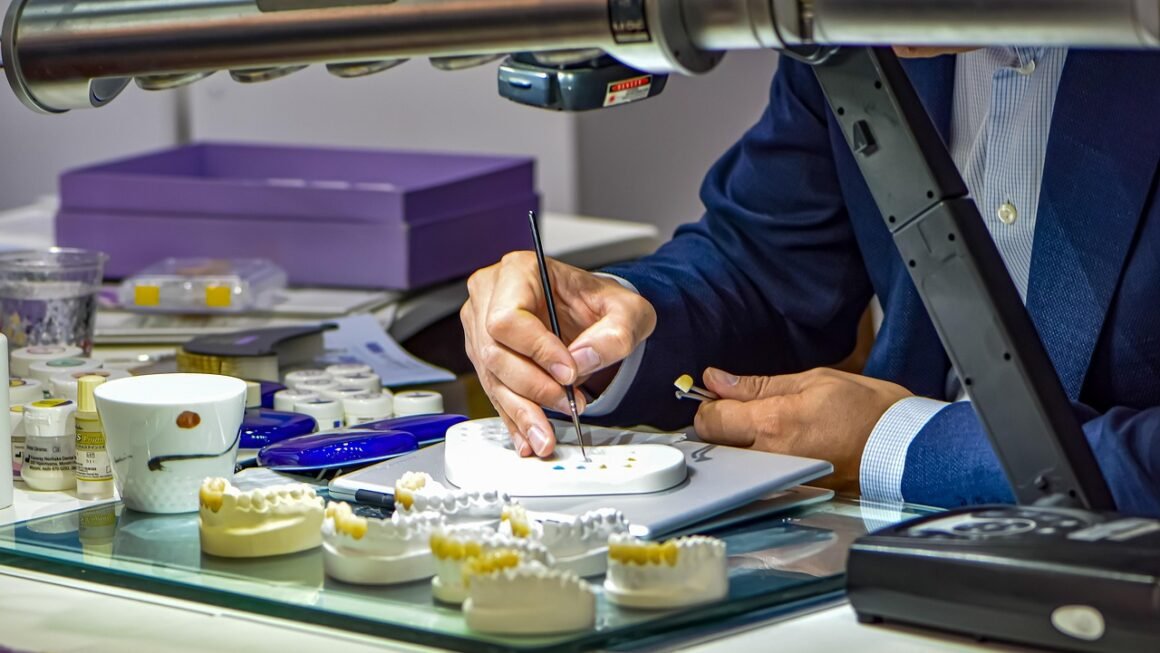
Cosmetic dentistry has transformed the smiles – and lives – of millions. More than just a brighter smile, it’s about enhanced confidence, improved oral health, and a more youthful appearance. Whether you’re considering minor tweaks or a complete smile makeover, understanding the options available is the first step toward achieving the smile you’ve always dreamed of. This guide will walk you through the various cosmetic dentistry procedures, their benefits, and what to expect.
What is Cosmetic Dentistry?
Cosmetic dentistry focuses on improving the appearance of your teeth, gums, and bite. While many procedures also offer restorative benefits, the primary goal is aesthetic enhancement. It’s a multifaceted field that combines art and science to create beautiful, healthy smiles.
The Difference Between Cosmetic and General Dentistry
Understanding the distinction is key:
- General Dentistry: Focuses on preventing, diagnosing, and treating oral diseases. This includes routine check-ups, fillings, root canals, and extractions. The aim is primarily functional and preventative.
- Cosmetic Dentistry: Focuses on improving the appearance of the teeth and gums. While functionality can be a secondary benefit, the main goal is aesthetic enhancement.
Think of it this way: a general dentist fixes a cavity; a cosmetic dentist reshapes a tooth to improve its appearance. Many dentists offer both general and cosmetic services, making comprehensive care more accessible.
Why Choose Cosmetic Dentistry?
There are numerous reasons to consider cosmetic dental work:
- Improved Confidence: A beautiful smile can significantly boost self-esteem and confidence.
- Enhanced Appearance: Correct imperfections like chipped, stained, or misaligned teeth.
- Youthful Look: Procedures can reduce signs of aging, such as worn-down or discolored teeth.
- Better Oral Health: Some procedures, like straightening, can improve oral hygiene by making teeth easier to clean.
- Career Advancement: Studies suggest a link between appearance and career success in some fields. A more confident smile can translate to a better impression.
Common Cosmetic Dentistry Procedures
From simple teeth whitening to complete smile makeovers, cosmetic dentistry offers a wide range of options to address various aesthetic concerns.
Teeth Whitening
One of the most popular and simplest cosmetic procedures. It involves bleaching the teeth to remove stains and discoloration.
- In-Office Whitening: Performed by a dentist, offering faster and more dramatic results. Often uses a higher concentration of bleaching agents and light activation. A typical in-office session can brighten teeth by several shades in just one visit.
Example: A Zoom! whitening treatment can lighten teeth up to eight shades in a single hour-long session.
- At-Home Whitening: Uses custom-fitted trays and a lower concentration of bleaching gel provided by the dentist. It takes longer than in-office whitening but is more convenient.
Example: The dentist takes impressions of your teeth to create custom trays. You then fill the trays with whitening gel and wear them for a specified amount of time each day, usually for a couple of weeks.
- Over-the-Counter Whitening Products: Whitening toothpastes, strips, and rinses are available, but they generally provide less dramatic results.
Dental Veneers
Thin, custom-made shells of tooth-colored materials designed to cover the front surface of teeth. They can correct a wide range of aesthetic issues.
- What Veneers Can Fix: Chipped, cracked, stained, misaligned, or unevenly spaced teeth.
- Types of Veneers:
Porcelain Veneers: More durable and natural-looking than composite veneers. They resist staining better and reflect light similarly to natural teeth.
Composite Veneers: Less expensive but not as durable or stain-resistant as porcelain veneers. They can be applied in a single visit and are easily repairable.
- Procedure: Requires removing a small amount of enamel from the tooth surface. The dentist then takes an impression to create the veneers, which are bonded to the teeth using special cement.
Dental Implants
A permanent solution for replacing missing teeth. Implants are surgically placed into the jawbone, providing a stable foundation for artificial teeth.
- Benefits of Implants: Improved appearance, speech, and comfort. They also help preserve bone density and prevent shifting of adjacent teeth.
- Procedure: Involves several stages, including implant placement, healing (osseointegration), and attachment of the artificial tooth (crown). The entire process can take several months.
- Alternatives: Bridges and dentures are alternatives to implants, but they don’t offer the same level of stability or bone preservation.
Dental Crowns
Caps that cover a damaged or weakened tooth, restoring its shape, size, strength, and appearance.
- When Crowns Are Used: To protect a tooth after a root canal, cover a large filling when there isn’t enough tooth structure remaining, or repair a fractured tooth.
- Types of Crowns: Porcelain, ceramic, metal, or a combination of materials. Porcelain and ceramic crowns are popular for their natural appearance.
- Procedure: Requires reshaping the tooth to accommodate the crown. The dentist takes an impression to create the crown, which is then cemented onto the tooth.
Orthodontics
Traditional braces and clear aligners can straighten teeth and correct bite issues, significantly improving the appearance of your smile.
- Traditional Braces: Made of metal brackets and wires. Effective for complex cases but can be less aesthetically pleasing.
- Clear Aligners (e.g., Invisalign): Removable, transparent aligners that gradually shift teeth into the desired position. More discreet than traditional braces.
- Benefits of Orthodontics: Improved appearance, bite function, and oral hygiene. Straight teeth are easier to clean, reducing the risk of cavities and gum disease.
Gum Contouring (Gingival Sculpting)
Reshaping the gum line to improve the appearance of the teeth and gums.
- When Gum Contouring is Used: To correct a “gummy smile” (excessive gum tissue) or even out an uneven gum line.
- Procedure: Involves removing or reshaping excess gum tissue using a scalpel or laser. Laser gum contouring is often preferred as it is less invasive and promotes faster healing.
- Benefits: Improved smile aesthetics and enhanced confidence. It can also make teeth appear longer and more proportionate.
Choosing the Right Cosmetic Dentist
Selecting a qualified and experienced cosmetic dentist is crucial for achieving the desired results.
Credentials and Experience
- Check Credentials: Ensure the dentist is licensed and board-certified.
- Review Experience: Look for a dentist with extensive experience in cosmetic dentistry procedures.
- Ask About Continuing Education: A good cosmetic dentist stays up-to-date with the latest techniques and technologies through continuing education courses.
Portfolio and Before-and-After Photos
- Review Portfolio: Ask to see before-and-after photos of the dentist’s previous patients. This will give you an idea of their aesthetic sense and skill level.
- Look for Similar Cases: Try to find cases that are similar to your own aesthetic concerns.
Consultation and Communication
- Schedule a Consultation: Discuss your goals and expectations with the dentist. A good cosmetic dentist will listen to your concerns and develop a personalized treatment plan.
- Ask Questions: Don’t hesitate to ask questions about the procedures, risks, and costs involved.
- Evaluate Communication: Choose a dentist who communicates clearly and makes you feel comfortable.
Technology and Techniques
- Advanced Technology: A modern cosmetic dentistry practice should have access to advanced technologies, such as digital X-rays, intraoral cameras, and CAD/CAM systems.
- Modern Techniques: Ensure the dentist is using the latest techniques and materials to achieve optimal results.
The Cost of Cosmetic Dentistry
The cost of cosmetic dentistry varies depending on the procedure, the dentist’s experience, and the location of the practice.
Factors Affecting Cost
- Type of Procedure: More complex procedures, such as dental implants, are generally more expensive than simpler procedures, like teeth whitening.
- Materials Used: The type of materials used (e.g., porcelain vs. composite) can also affect the cost.
- Dentist’s Experience: Experienced and highly skilled dentists may charge higher fees.
- Location: Cosmetic dentistry costs can vary depending on the geographic location of the practice.
Payment Options and Financing
- Insurance Coverage: Most cosmetic dentistry procedures are not covered by insurance, as they are considered elective. However, some procedures that have both cosmetic and restorative benefits may be partially covered.
- Payment Plans: Many cosmetic dentistry practices offer payment plans or financing options to make treatment more affordable.
- Third-Party Financing: Companies like CareCredit and LendingClub offer financing options for dental procedures.
Example Costs
- Teeth Whitening: $300 – $1000
- Dental Veneers: $900 – $2500 per tooth
- Dental Implants: $3000 – $5000 per tooth
- Dental Crowns: $800 – $2000 per tooth
- Invisalign: $3000 – $8000
Conclusion
Cosmetic dentistry offers a wide range of options to enhance your smile and boost your confidence. From simple teeth whitening to complete smile makeovers, there’s a solution to address nearly every aesthetic concern. By understanding the different procedures available, choosing a qualified dentist, and considering the cost, you can make an informed decision and achieve the smile you’ve always wanted. Take the first step towards a brighter, more confident you by exploring the possibilities of cosmetic dentistry.