The quest for a brighter, whiter smile is a common one, reflecting a desire for enhanced confidence and a more youthful appearance. Teeth brightening, also known as teeth whitening, has become a popular and effective cosmetic dental procedure. However, navigating the world of teeth brightening can be confusing. This guide will provide a comprehensive overview of the different methods, benefits, risks, and best practices for achieving a radiant smile.
Understanding Teeth Staining
Types of Stains
It’s important to understand the different types of teeth stains before exploring brightening options.
- Extrinsic Stains: These stains affect the enamel’s surface and are usually caused by external factors.
Examples: Coffee, tea, red wine, smoking, certain foods (berries, soy sauce).
Treatment: Often removable with professional cleaning and whitening toothpastes.
- Intrinsic Stains: These stains penetrate the enamel and reach the dentin, making them harder to remove.
Examples: Tetracycline antibiotics taken during tooth development, excessive fluoride exposure (fluorosis), tooth decay, and trauma.
Treatment: Require more aggressive brightening methods like professional bleaching.
- Age-Related Stains: Over time, enamel thins, revealing the yellow dentin underneath. Extrinsic stains also accumulate, contributing to overall discoloration.
Treatment: A combination of professional cleaning and brightening treatments.
Factors Contributing to Staining
Several factors can contribute to teeth staining:
- Diet: Regularly consuming staining beverages and foods.
- Oral Hygiene: Inadequate brushing and flossing allows stains to accumulate.
- Smoking: Nicotine and tar in tobacco products cause stubborn stains.
- Medications: Certain medications can cause intrinsic staining.
- Genetics: Some people are naturally predisposed to having more yellow teeth.
Teeth Brightening Methods
Professional Teeth Brightening
- In-Office Bleaching: Conducted by a dentist using high concentrations of hydrogen peroxide or carbamide peroxide. Often uses light or laser activation to accelerate the process.
Procedure: The dentist applies a protective gel to the gums and soft tissues. The brightening agent is then applied to the teeth and activated with light or laser. Multiple applications may be needed.
Benefits: Fastest and most effective method; controlled environment minimizes sensitivity.
Example: Zoom! Whitening, Opalescence Boost.
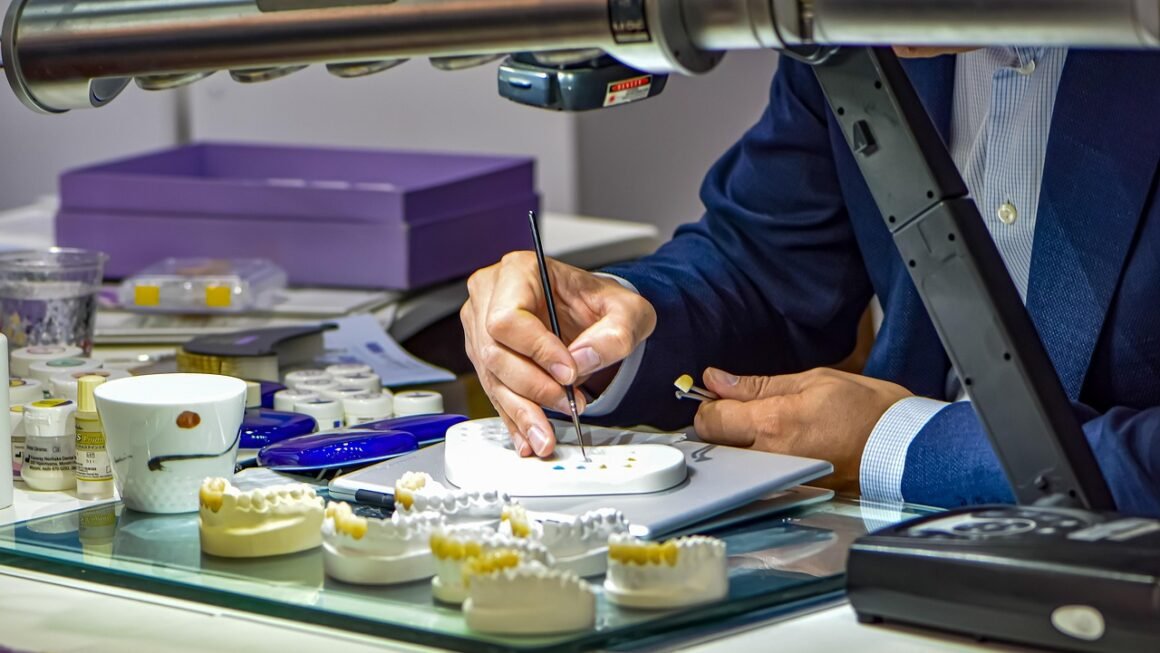
- Custom Take-Home Trays: The dentist takes impressions of your teeth to create custom-fitted trays. You receive a brightening gel with specific instructions on how long to wear the trays each day.
Procedure: The patient fills the trays with the prescribed gel and wears them for a specified time, usually 30 minutes to a few hours per day, for several weeks.
Benefits: More affordable than in-office bleaching; allows for gradual brightening and maintenance.
Example: Opalescence Go, Nite White.
Over-the-Counter Teeth Brightening Products
- Brightening Toothpastes: Contain mild abrasives and chemical agents to remove surface stains.
Benefits: Affordable and easily accessible; helps maintain brightness after professional treatment.
Example: Crest 3D White, Colgate Optic White.
- Brightening Strips: Thin, flexible strips coated with a brightening gel.
Procedure: Applied to the teeth for a specified time, usually 30 minutes per day, for several weeks.
Benefits: Convenient and relatively affordable.
Example: Crest 3D White Whitestrips.
- Brightening Gels and Pens: Applied directly to the teeth with a brush or pen.
Benefits: Easy to use; can target specific areas.
Example: Smile Direct Club Brightening Pen.
- Brightening Mouthwashes: Contain hydrogen peroxide to brighten teeth.
Benefits: Easy to incorporate into your daily routine.
Example: Listerine Healthy White.
Choosing the Right Method
Factors to Consider
Selecting the most suitable brightening method depends on several factors:
- Severity of Staining: Deeper, intrinsic stains often require professional treatment.
- Budget: Professional treatments are generally more expensive than over-the-counter products.
- Time Commitment: In-office bleaching provides immediate results, while take-home trays and over-the-counter products require more time.
- Sensitivity: Some people experience tooth sensitivity during and after brightening. A dentist can recommend products and techniques to minimize sensitivity.
- Existing Dental Work: Crowns, veneers, and fillings will not brighten with traditional methods.
Consultation with a Dentist
A consultation with a dentist is crucial before starting any teeth brightening treatment.
- Assessment: The dentist will evaluate the condition of your teeth and gums, identify the type and severity of staining, and determine if you are a good candidate for brightening.
- Treatment Plan: The dentist will recommend the most appropriate brightening method based on your individual needs and preferences.
- Expectations: The dentist will discuss realistic expectations regarding the level of brightness that can be achieved.
Maintaining Your Brightened Smile
Oral Hygiene Practices
- Brushing and Flossing: Brush your teeth at least twice a day with fluoride toothpaste and floss daily to remove plaque and prevent staining.
- Regular Dental Cleanings: Professional dental cleanings remove surface stains and plaque buildup.
Dietary Modifications
- Limit Staining Foods and Beverages: Reduce consumption of coffee, tea, red wine, and other staining foods and beverages.
- Use a Straw: Drinking staining beverages through a straw can minimize contact with your teeth.
- Rinse Your Mouth: Rinse your mouth with water after consuming staining foods and beverages.
Touch-Up Treatments
- Take-Home Trays: Use your custom take-home trays for occasional touch-up treatments to maintain brightness.
- Brightening Toothpaste: Continue using a brightening toothpaste to help remove surface stains.
Conclusion
Achieving a brighter smile is possible with various teeth brightening methods. Understanding the different types of staining, exploring treatment options, and consulting with a dentist are essential steps in the process. Maintaining good oral hygiene practices and making dietary modifications will help prolong the results of your brightening treatment. With the right approach, you can achieve a confident, radiant smile.