Scheduling regular dental checkups is a cornerstone of maintaining optimal oral health and overall well-being. These appointments aren’t just about getting your teeth cleaned; they’re a vital preventative measure against a range of dental issues, from cavities to gum disease, and even more serious health concerns that can manifest in the mouth. Understanding the recommended dental checkup schedule and the importance of adhering to it can empower you to take proactive steps towards a healthier smile.
Why Regular Dental Checkups Matter
Early Detection of Dental Problems
One of the most significant benefits of regular dental checkups is the early detection of potential problems. Dentists are trained to spot subtle changes in your teeth and gums that you might not notice yourself. This allows for prompt intervention and treatment, preventing minor issues from escalating into more complex and costly procedures.
- Cavities: Regular checkups allow dentists to identify cavities in their early stages, often before they cause pain or sensitivity. Smaller cavities are easier and less expensive to treat with fillings.
- Gum Disease (Gingivitis and Periodontitis): Early signs of gum disease, such as inflammation and bleeding gums, can be detected during a routine examination. Early treatment can prevent irreversible damage to the gums and bone supporting your teeth.
- Oral Cancer Screening: Dentists perform oral cancer screenings during checkups, looking for any suspicious lesions or abnormalities in the mouth. Early detection of oral cancer significantly increases the chances of successful treatment.
Professional Teeth Cleaning
Even with diligent brushing and flossing at home, it’s difficult to remove all the plaque and tartar buildup from your teeth. Dental hygienists use specialized tools to remove these stubborn deposits during a professional cleaning, helping to prevent cavities and gum disease. This cleaning also includes polishing your teeth, leaving them feeling smoother and looking brighter.
- Plaque and Tartar Removal: Hygienists use scaling and root planing to remove plaque and tartar from above and below the gum line.
- Polishing: Polishing removes surface stains and leaves your teeth feeling smooth.
- Fluoride Treatment: Fluoride strengthens tooth enamel and helps protect against cavities, particularly for children and individuals at high risk for tooth decay.
Personalized Oral Hygiene Advice
During your checkup, your dentist or hygienist can provide personalized advice on how to improve your oral hygiene habits. They can assess your brushing and flossing technique, recommend specific products based on your individual needs, and offer tips on how to maintain a healthy diet for your teeth.
- Brushing Technique: Proper brushing technique is crucial for removing plaque and preventing gum disease. Your dentist can demonstrate the best way to brush your teeth to ensure you’re effectively cleaning all surfaces.
- Flossing Technique: Flossing removes plaque and food particles from between your teeth, where your toothbrush can’t reach. Your dentist can show you the proper way to floss to avoid damaging your gums.
- Product Recommendations: Your dentist can recommend specific toothbrushes, toothpaste, and mouthwashes based on your individual needs and preferences.
The Standard Dental Checkup Schedule
General Recommendations
The generally recommended frequency for dental checkups is every six months. This schedule allows your dentist to monitor your oral health closely and detect any problems early on. However, the ideal frequency may vary depending on individual factors.
- For individuals with good oral health and no history of dental problems, a six-month checkup schedule is usually sufficient.
- A study published in the Journal of Dental Research found that regular dental checkups are associated with a reduced risk of tooth loss.
Factors Influencing Checkup Frequency
Several factors can influence how often you should visit the dentist. These include:
- History of Dental Problems: Individuals with a history of cavities, gum disease, or other dental problems may need to visit the dentist more frequently, such as every three to four months.
- Age: Children and adolescents may need more frequent checkups due to their developing teeth and increased risk of cavities. Older adults may also benefit from more frequent checkups due to age-related dental issues.
- Medical Conditions: Certain medical conditions, such as diabetes and autoimmune diseases, can increase the risk of dental problems. Individuals with these conditions may need to visit the dentist more frequently.
- Lifestyle Factors: Smoking, alcohol consumption, and a diet high in sugar can increase the risk of dental problems. Individuals with these lifestyle factors may need more frequent checkups.
- Pregnancy: Hormonal changes during pregnancy can increase the risk of gum disease. Pregnant women should visit the dentist regularly to maintain good oral health.
What to Expect During a Dental Checkup
Comprehensive Examination
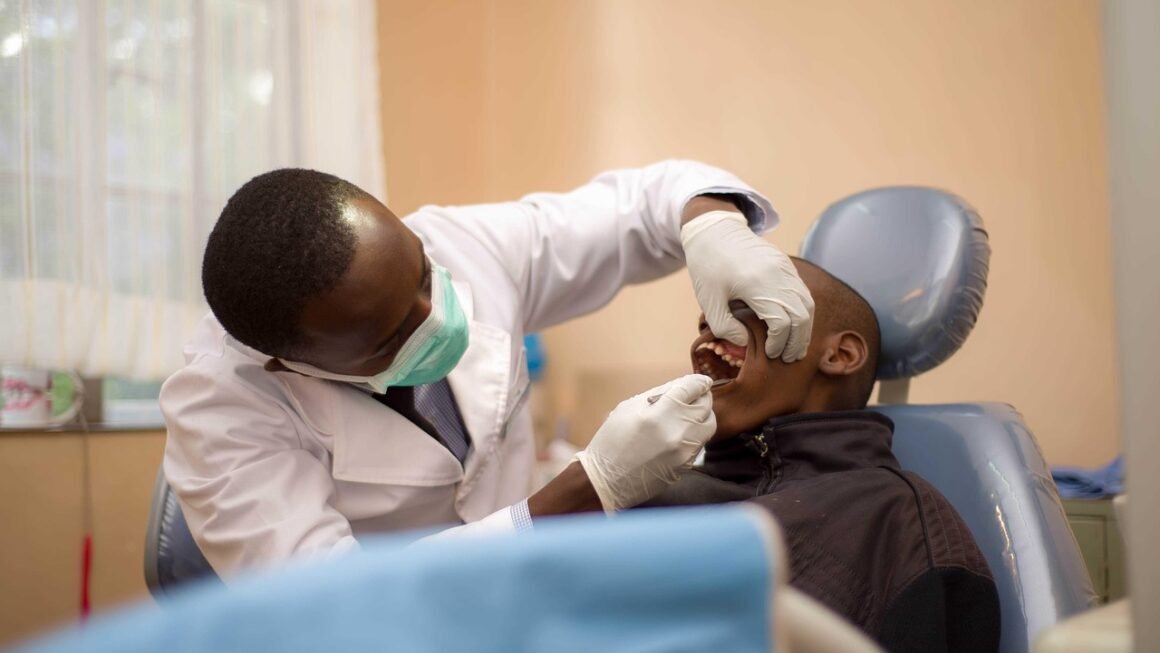
A dental checkup typically includes a comprehensive examination of your teeth, gums, and mouth. Your dentist will visually inspect your teeth for cavities, cracks, and other signs of damage. They will also examine your gums for inflammation, bleeding, and other signs of gum disease. The examination includes:
- Review of your medical history and any oral health concerns you may have.
- Visual examination of your teeth, gums, tongue, and other oral tissues.
- Checking for signs of tooth decay, gum disease, oral cancer, and other abnormalities.
- Evaluation of your bite and jaw alignment.
Dental X-Rays
Dental X-rays are an important part of a comprehensive dental checkup. They allow your dentist to see areas of your teeth and gums that are not visible during a visual examination. X-rays can help detect:
- Cavities between teeth
- Bone loss due to gum disease
- Impacted teeth
- Abscesses
- Tumors
The frequency of dental X-rays depends on your individual needs and risk factors. Your dentist will determine the appropriate frequency based on your oral health history and examination findings.
Professional Cleaning
As mentioned earlier, professional cleaning is a vital part of a dental checkup. This includes scaling and root planing to remove plaque and tartar, polishing to remove surface stains, and fluoride treatment to strengthen tooth enamel.
Tips for Maintaining Good Oral Health Between Checkups
Brushing and Flossing
Brushing your teeth at least twice a day and flossing once a day are essential for maintaining good oral health. Use a soft-bristled toothbrush and fluoride toothpaste. Brush for at least two minutes each time, making sure to reach all surfaces of your teeth. Floss gently between your teeth to remove plaque and food particles.
Healthy Diet
A healthy diet is important for both your overall health and your oral health. Limit your intake of sugary foods and drinks, as these can contribute to tooth decay. Choose healthy snacks, such as fruits, vegetables, and nuts. Drink plenty of water to keep your mouth hydrated and help wash away food particles.
Avoid Tobacco
Tobacco use is harmful to your oral health. Smoking and chewing tobacco can increase the risk of gum disease, oral cancer, and other dental problems. Quitting tobacco is one of the best things you can do for your oral health.
Use Mouthwash
Using mouthwash can help kill bacteria in your mouth and freshen your breath. Choose a mouthwash that contains fluoride to help strengthen tooth enamel. Use mouthwash after brushing and flossing.
Conclusion
Scheduling and maintaining regular dental checkups is a crucial investment in your oral health and overall well-being. By understanding the importance of these appointments, adhering to a recommended schedule, and practicing good oral hygiene habits at home, you can significantly reduce your risk of dental problems and enjoy a healthy, confident smile for years to come. Don’t wait for a problem to arise; proactive dental care is the key to a lifetime of healthy teeth and gums.