Dental sealants are a powerful weapon in the fight against tooth decay, particularly for children and teenagers. They’re a simple, painless, and cost-effective way to protect vulnerable teeth from the damaging effects of bacteria and acids. This blog post delves into the world of dental sealants, exploring their benefits, application process, and why they should be a key part of your family’s preventative dental care routine.
What are Dental Sealants?
Understanding Sealants
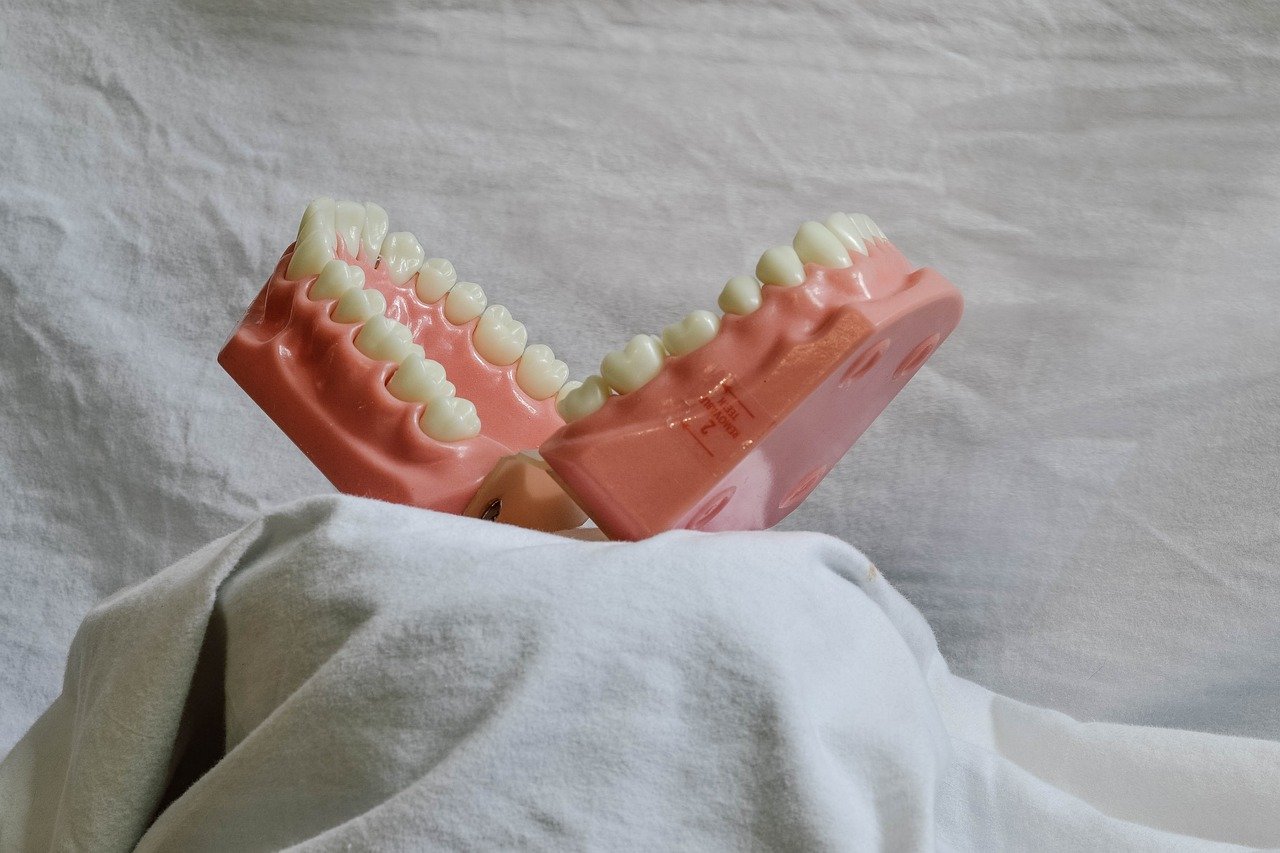
Dental sealants are thin, plastic coatings that are applied to the chewing surfaces of molars and premolars. These teeth have natural pits and grooves that can be difficult to clean effectively, making them susceptible to decay. Sealants act as a barrier, preventing food particles and bacteria from getting trapped in these areas.
How Sealants Work: A Protective Shield
Imagine sealants as a raincoat for your teeth. They create a smooth, protective surface that keeps out the harmful elements that cause cavities. Bacteria, particularly Streptococcus mutans, produce acids that erode tooth enamel. Sealants prevent this acid attack by physically blocking access to the enamel.
Types of Sealants
While the purpose is the same, sealants come in different materials:
- Resin-based sealants: These are the most common type, made from a plastic material that bonds directly to the tooth enamel.
- Glass ionomer sealants: These release fluoride, offering an extra layer of protection against decay. They may not be as durable as resin-based sealants.
Who Benefits Most from Dental Sealants?
Children and Teenagers: Prime Candidates
Dental sealants are particularly beneficial for children and teenagers as their newly erupted molars are more vulnerable to decay. These teeth often have deep grooves that are challenging to clean thoroughly. The Centers for Disease Control and Prevention (CDC) estimates that sealants can protect 80% of cavities for 2 years and 50% of cavities for up to 4 years.
Adults at Risk of Decay
While primarily used for children, adults who are prone to cavities or have deep pits and fissures in their teeth can also benefit from sealants. This is especially true for individuals with:
- A history of tooth decay
- Dry mouth (which reduces saliva’s natural cleansing action)
- Special needs that make oral hygiene challenging
Identifying Teeth Suitable for Sealants
A dentist will assess each tooth individually to determine if it’s a good candidate for a sealant. Teeth with deep grooves or a history of decay are typically the best candidates. X-rays may also be used to detect any hidden decay before applying a sealant.
The Application Process: Simple and Painless
Preparation is Key
The tooth surface is first cleaned thoroughly to remove any plaque or debris. This is usually done with a small brush and a special cleaning paste. Next, the tooth is rinsed and dried completely.
Etching the Tooth Surface
A mild acid solution is applied to the tooth for a few seconds. This “etching” process creates a slightly rough surface, which allows the sealant to bond more effectively to the enamel. The acid is then rinsed off thoroughly, and the tooth is dried again.
Applying and Curing the Sealant
The sealant material is applied to the chewing surface of the tooth. The dentist carefully fills the pits and grooves. A special curing light is then used to harden the sealant. This light typically takes only a few seconds per tooth.
Checking the Sealant
Finally, the dentist will check the sealant to ensure it’s smooth and doesn’t interfere with the bite. Any excess material is removed. The entire process is quick, usually taking just a few minutes per tooth and is entirely painless.
Maintaining and Caring for Your Sealants
How Long Do Sealants Last?
Dental sealants are durable but not permanent. They can last for several years, typically between 5 and 10 years, depending on factors like chewing habits and oral hygiene.
Regular Dental Checkups
It’s crucial to have your sealants checked during regular dental appointments. Your dentist will examine them for any signs of wear and tear and can reapply them if necessary. They will also look for any decay around the sealant.
Good Oral Hygiene Habits
While sealants provide extra protection, they don’t replace the need for good oral hygiene practices. Continue to brush your teeth twice a day with fluoride toothpaste and floss daily. A healthy diet, low in sugary snacks and drinks, is also essential for maintaining oral health and maximizing the lifespan of your sealants.
Conclusion
Dental sealants are a safe, effective, and affordable way to protect teeth from decay. They are particularly beneficial for children and teenagers but can also be a valuable preventative measure for adults. By understanding the benefits, application process, and maintenance of sealants, you can make an informed decision about whether they are right for you and your family. Talk to your dentist to learn more about how dental sealants can contribute to a healthier, brighter smile.