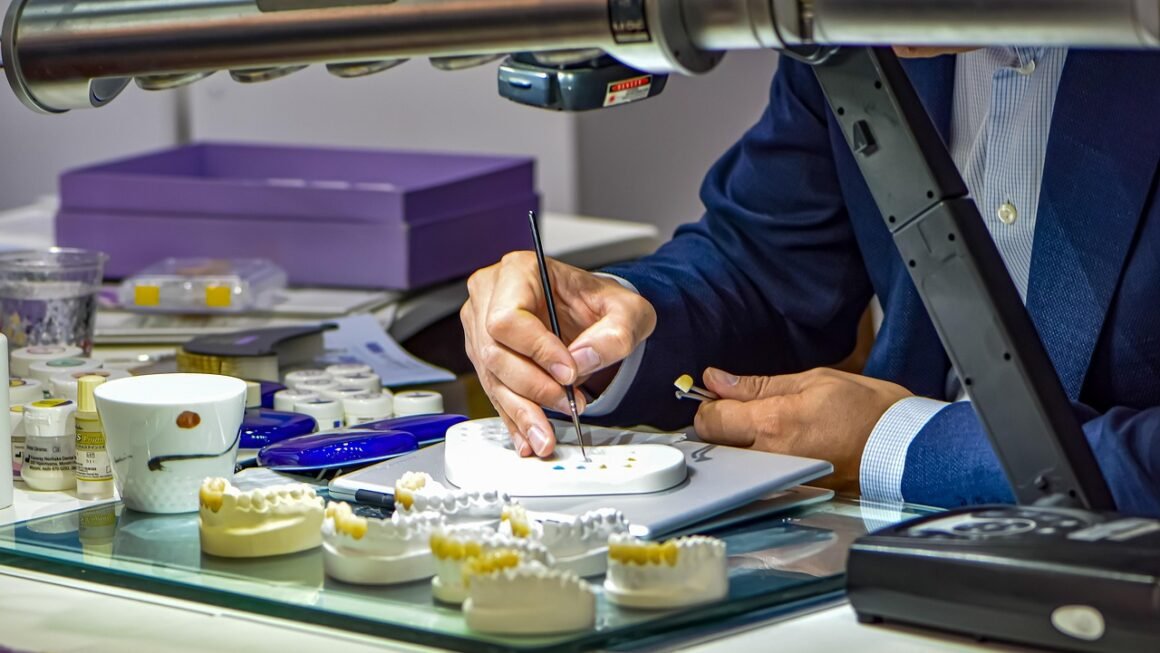
Achieving a brighter, whiter smile is a common desire, and thankfully, there’s a wide array of dental whitening systems available to help you achieve that radiant look. From over-the-counter solutions to professional treatments at the dentist’s office, understanding the options and how they work is key to making the right choice for your needs and budget. This guide will walk you through the various dental whitening systems, their pros and cons, and what to expect.
Understanding Dental Whitening Systems
What Causes Tooth Discoloration?
Before diving into whitening solutions, it’s important to understand what causes teeth to become discolored in the first place. Discoloration can be intrinsic (within the tooth structure) or extrinsic (on the surface of the tooth).
- Extrinsic Stains: These are caused by external factors such as:
Foods and drinks like coffee, tea, red wine, and berries.
Tobacco use (smoking or chewing).
Poor oral hygiene, leading to plaque and tartar buildup.
- Intrinsic Stains: These originate from within the tooth and can be caused by:
Certain medications (e.g., tetracycline antibiotics during tooth development).
Fluorosis (excessive fluoride intake during tooth formation).
Tooth decay or trauma.
Aging, as enamel naturally thins and the underlying dentin (which is yellow) becomes more visible.
How Whitening Systems Work
Most dental whitening systems utilize hydrogen peroxide or carbamide peroxide as the active ingredient. When these compounds break down, they release oxygen, which bleaches the stains on and in the tooth enamel. The concentration of peroxide determines the strength and speed of the whitening effect.
- Hydrogen Peroxide: This is a more potent bleaching agent and is typically used in professional treatments.
- Carbamide Peroxide: This breaks down into hydrogen peroxide and urea. It is often found in at-home whitening kits and is released more slowly, making it a gentler option.
Over-the-Counter Whitening Products
Whitening Toothpastes
Whitening toothpastes contain mild abrasives that help remove surface stains. They generally do not change the actual shade of the teeth but can help maintain a brighter appearance.
- Pros:
Inexpensive and readily available.
Easy to incorporate into your daily routine.
Helps remove surface stains and prevent new ones.
- Cons:
Minimal whitening effect compared to other methods.
May cause tooth sensitivity in some individuals.
Can be abrasive if used excessively.
- Example: Look for whitening toothpastes with the ADA Seal of Acceptance, which indicates they have been tested for safety and effectiveness.
Whitening Strips
Whitening strips are thin, flexible strips coated with a peroxide-based gel. They are applied directly to the teeth and worn for a specified amount of time.
- Pros:
More effective than whitening toothpastes.
Relatively inexpensive.
Convenient and easy to use at home.
- Cons:
May cause tooth sensitivity or gum irritation.
Can be difficult to apply evenly, leading to uneven whitening.
Results are temporary and require maintenance.
- Tip: Follow the manufacturer’s instructions carefully to avoid over-whitening or gum irritation. Start with shorter wear times if you have sensitive teeth.
Whitening Trays (Over-the-Counter)
These kits include trays that are filled with a whitening gel and worn over the teeth. They offer a more customized fit than whitening strips, though they are not as precise as custom trays from a dentist.
- Pros:
More effective than whitening strips due to better gel contact.
Can provide noticeable results with consistent use.
- Cons:
The trays may not fit perfectly, leading to gel leakage and irritation.
Results vary depending on the product and individual.
Can be time-consuming to use daily.
- Example: Some kits offer boil-and-bite trays that you can mold to your teeth for a better fit.
Professional Dental Whitening Treatments
In-Office Whitening
This is the fastest and most effective whitening method. A high concentration of hydrogen peroxide is applied to the teeth, often activated by a special light or laser. The dentist carefully protects the gums and soft tissues during the procedure.
- Pros:
Dramatic results in a single visit.
Supervised by a dental professional, ensuring safety and effectiveness.
Protection for gums and soft tissues.
- Cons:
More expensive than over-the-counter options.
May cause temporary tooth sensitivity.
- Example: Zoom! Whitening and Opalescence Boost are popular in-office whitening systems. The dentist will typically apply a protective barrier to your gums and then apply the whitening gel in multiple sessions, often using a special light to activate the gel.
Custom Whitening Trays (From Your Dentist)
Your dentist will take impressions of your teeth to create custom-fitted trays. You then receive a whitening gel to use at home with the trays, following your dentist’s instructions.
- Pros:
More comfortable and effective than over-the-counter trays due to the custom fit.
Can achieve significant whitening results over time.
Dentist can adjust the strength of the gel based on your needs and sensitivity.
- Cons:
More expensive than over-the-counter options.
Requires consistent use at home over several weeks.
- Benefit: Custom trays ensure even distribution of the whitening gel and minimize gum irritation. Your dentist can also provide specific instructions tailored to your individual needs, maximizing the effectiveness of the treatment.
Maintaining Your Whitened Smile
Oral Hygiene Practices
Maintaining good oral hygiene is crucial for keeping your teeth white and preventing new stains. This includes:
- Brushing your teeth at least twice a day with fluoride toothpaste.
- Flossing daily to remove plaque and food particles between your teeth.
- Using an antimicrobial mouthwash to kill bacteria.
Dietary Considerations
Limit your consumption of stain-causing foods and drinks such as:
- Coffee, tea, and red wine.
- Dark-colored sodas and juices.
- Berries and other deeply pigmented fruits.
- Soy sauce and balsamic vinegar.
If you do consume these items, rinse your mouth with water afterward to help prevent staining.
Touch-Up Treatments
Whitening results are not permanent. You may need to perform touch-up treatments periodically to maintain your desired shade.
- Over-the-counter products: Whitening strips or toothpaste can be used occasionally for maintenance.
- Professional treatments: Your dentist may recommend periodic in-office treatments or provide additional whitening gel for your custom trays.
Conclusion
Choosing the right dental whitening system depends on your individual needs, budget, and the severity of your tooth discoloration. Over-the-counter products are a good starting point for mild stains, while professional treatments offer faster and more dramatic results. Consulting with your dentist is always recommended to determine the best course of action for achieving a healthy, bright, and confident smile. Remember to prioritize oral hygiene and be mindful of stain-causing foods and drinks to maintain your results for as long as possible.