Achieving a refreshed, youthful, and balanced appearance is a desire shared by many. Facial aesthetics encompass a range of treatments and procedures designed to enhance your natural beauty, correct imperfections, and restore confidence. From subtle enhancements to more dramatic transformations, understanding the options available is the first step towards achieving your aesthetic goals. This guide provides a comprehensive overview of facial aesthetics, exploring various treatments, benefits, and considerations to help you make informed decisions.
Understanding Facial Aesthetics
What is Facial Aesthetics?
Facial aesthetics is a branch of cosmetic treatments focused on improving the appearance of the face. It aims to address concerns such as wrinkles, fine lines, volume loss, skin texture irregularities, and asymmetry. Unlike reconstructive surgery, facial aesthetics typically involves non-surgical or minimally invasive procedures, offering shorter recovery times and reduced risks.
Goals of Facial Aesthetic Treatments
The primary goals of facial aesthetic treatments include:
- Rejuvenation: Restoring a more youthful and vibrant appearance by reducing the signs of aging.
- Enhancement: Accentuation of natural features to achieve a more balanced and harmonious facial appearance.
- Correction: Addressing specific concerns such as scars, blemishes, or asymmetry.
- Prevention: Slowing down the aging process through proactive treatments.
Factors to Consider
When exploring facial aesthetic treatments, several factors should be considered:
- Skin Type and Condition: Different treatments are suitable for various skin types and conditions. A consultation with a qualified practitioner is essential to determine the best approach for your unique needs.
- Desired Outcome: Clearly define your goals and expectations. Communicate openly with your practitioner to ensure that the chosen treatments align with your desired outcome.
- Budget: Facial aesthetic treatments can vary significantly in cost. Research and understand the pricing structure of different procedures and clinics.
- Downtime: Consider the recovery time associated with each treatment. Some procedures require minimal downtime, while others may necessitate a few days of rest.
- Risks and Side Effects: Be aware of potential risks and side effects associated with each treatment. A reputable practitioner will thoroughly explain these during your consultation.
Non-Surgical Facial Aesthetic Treatments
Injectables: Botox and Dermal Fillers
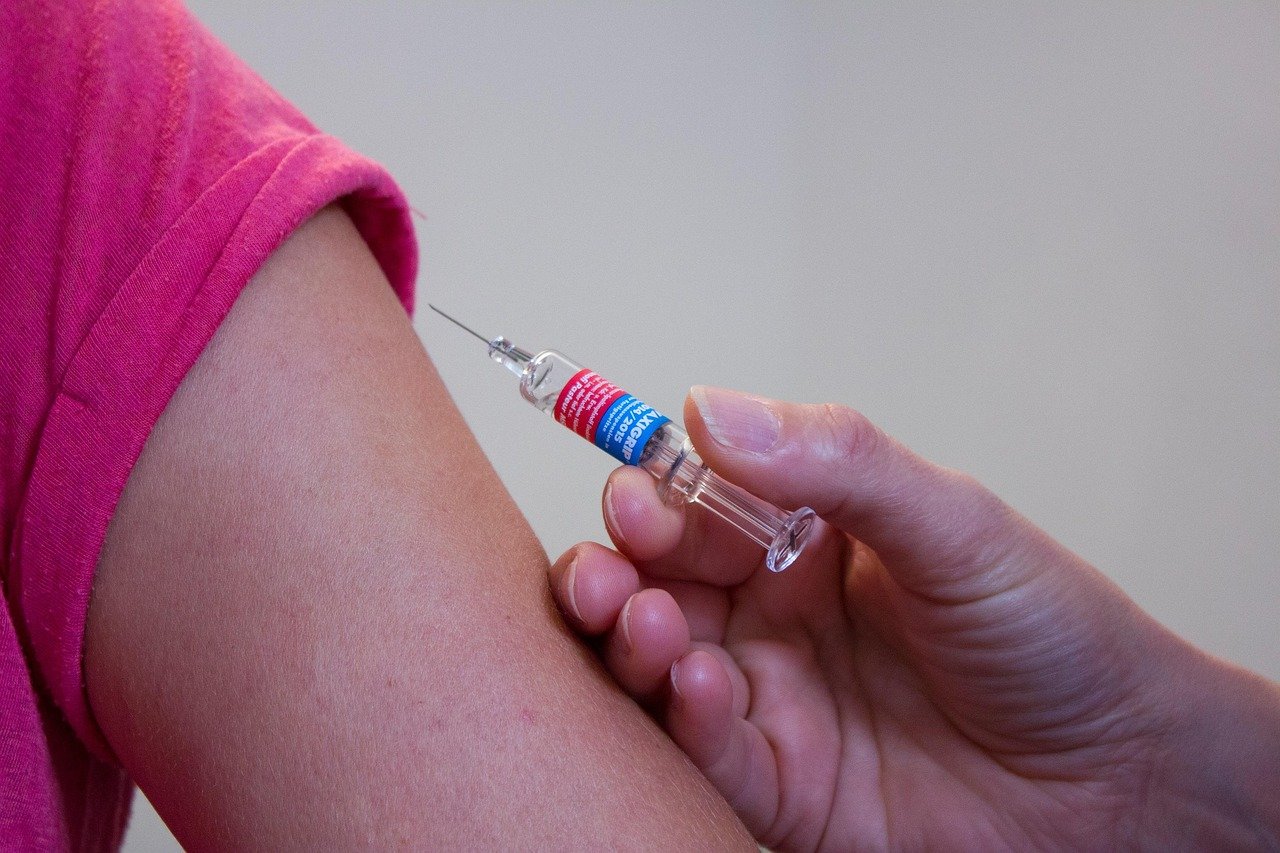
- Botox (Botulinum Toxin): Botox is a neurotoxin that temporarily paralyzes muscles, reducing the appearance of wrinkles and fine lines caused by muscle movement, such as frown lines, forehead lines, and crow’s feet.
- How it Works: Botox injections block nerve signals to the muscles, preventing them from contracting.
- Benefits:
Reduces wrinkles and fine lines
Provides a more youthful appearance
Non-surgical with minimal downtime
- Example: A patient with prominent forehead lines can receive Botox injections to smooth the skin and create a more relaxed appearance.
- Dermal Fillers: Dermal fillers are injectable substances used to add volume, smooth wrinkles, and enhance facial contours. They are commonly made from hyaluronic acid, a naturally occurring substance in the body.
- How it Works: Fillers are injected into the skin to plump up areas that have lost volume due to aging.
- Benefits:
Restores volume in cheeks, lips, and under-eye area
Smooths wrinkles and fine lines
Enhances facial contours
- Example: A patient with hollow cheeks can receive dermal filler injections to restore volume and create a more youthful facial structure.
Chemical Peels
Chemical peels involve applying a chemical solution to the skin, which exfoliates the outer layers, revealing smoother, brighter skin underneath.
- How it Works: The chemical solution removes damaged skin cells, stimulating collagen production and improving skin texture.
- Types of Peels:
Light Peels: Superficial peels that exfoliate the epidermis, improving skin tone and texture with minimal downtime.
Medium Peels: Penetrate deeper into the skin, addressing more significant sun damage, wrinkles, and blemishes.
Deep Peels: Offer dramatic results but require significant downtime and are typically performed by a medical professional.
- Benefits:
Improves skin tone and texture
Reduces fine lines and wrinkles
Treats acne and acne scars
- Example: A patient with sun-damaged skin can benefit from a chemical peel to improve skin tone and reduce pigmentation.
Microneedling
Microneedling involves using a device with fine needles to create micro-injuries in the skin, stimulating collagen and elastin production.
- How it Works: The micro-injuries trigger the body’s natural healing response, resulting in improved skin texture, reduced wrinkles, and minimized scarring.
- Benefits:
Improves skin texture and tone
Reduces wrinkles and fine lines
Minimizes acne scars and stretch marks
- Example: A patient with acne scars can undergo microneedling to improve the appearance of scars and enhance overall skin texture.
Surgical Facial Aesthetic Treatments
Facelift (Rhytidectomy)
A facelift is a surgical procedure designed to reduce sagging skin, wrinkles, and other signs of aging in the face and neck.
- How it Works: The surgeon makes incisions, lifts the skin and underlying tissues, and removes excess skin before re-draping the skin.
- Benefits:
Reduces sagging skin and wrinkles
Rejuvenates the face and neck
Provides long-lasting results
- Example: A patient with significant sagging in the lower face and neck can benefit from a facelift to restore a more youthful contour.
Eyelid Surgery (Blepharoplasty)
Eyelid surgery, also known as blepharoplasty, corrects drooping eyelids, removes excess skin and fat, and improves the appearance of the eyes.
- How it Works: The surgeon makes incisions in the eyelids to remove excess skin and fat, tightening the surrounding tissues.
- Benefits:
Reduces drooping eyelids
Removes excess skin and fat
Improves vision and appearance
- Example: A patient with sagging upper eyelids that obstruct vision can undergo blepharoplasty to improve both functionality and aesthetics.
Rhinoplasty (Nose Reshaping)
Rhinoplasty, or nose reshaping surgery, alters the shape and size of the nose to improve facial harmony and correct structural issues.
- How it Works: The surgeon makes incisions inside the nose or across the columella (the strip of skin between the nostrils) to reshape the bone and cartilage.
- Benefits:
Improves facial harmony
Corrects structural issues
Enhances breathing
- Example: A patient with a crooked nose or breathing difficulties due to nasal structure can undergo rhinoplasty to improve both function and appearance.
Choosing the Right Practitioner
Qualifications and Experience
Selecting a qualified and experienced practitioner is crucial for achieving safe and effective results.
- Verify Credentials: Ensure that your practitioner is a licensed and board-certified dermatologist, plastic surgeon, or medical professional with specialized training in facial aesthetics.
- Review Experience: Look for practitioners with extensive experience in performing the specific treatments you are interested in.
- Check Before and After Photos: Review before and after photos of previous patients to assess the practitioner’s skill and aesthetic sense.
- Read Reviews and Testimonials: Research online reviews and testimonials to gauge the experiences of other patients.
Consultation and Communication
A thorough consultation is essential for discussing your goals, assessing your skin and facial structure, and developing a personalized treatment plan.
- Ask Questions: Don’t hesitate to ask questions about the practitioner’s experience, the procedure itself, potential risks and side effects, and expected results.
- Express Your Goals: Clearly communicate your aesthetic goals and expectations to ensure that the practitioner understands your desired outcome.
- Assess Communication: Choose a practitioner who listens attentively, provides clear and honest answers, and makes you feel comfortable and confident.
Facility and Safety
Ensure that the clinic or facility where the treatments are performed adheres to the highest standards of safety and hygiene.
- Check Accreditation: Look for clinics that are accredited by reputable organizations, indicating compliance with safety and quality standards.
- Assess Cleanliness: Ensure that the facility is clean, well-maintained, and equipped with state-of-the-art technology.
- Verify Emergency Protocols: Inquire about the clinic’s emergency protocols and safety measures in case of complications.
Maintaining Your Results
Skincare Routine
Following a consistent skincare routine is essential for maintaining the results of your facial aesthetic treatments.
- Sun Protection: Use a broad-spectrum sunscreen with an SPF of 30 or higher daily to protect your skin from sun damage.
- Hydration: Drink plenty of water and use a moisturizing skincare routine to keep your skin hydrated and plump.
- Healthy Diet: Consume a balanced diet rich in antioxidants, vitamins, and minerals to support healthy skin.
- Regular Exfoliation: Exfoliate your skin regularly to remove dead skin cells and promote cell turnover.
Follow-Up Treatments
Depending on the treatment, periodic follow-up appointments and maintenance treatments may be necessary to prolong the results.
- Botox Touch-Ups: Botox typically lasts for 3-6 months, requiring touch-up injections to maintain its effects.
- Filler Maintenance: Dermal fillers can last from several months to over a year, depending on the type of filler and the area treated. Periodic injections may be needed to maintain volume and smooth wrinkles.
- Professional Skincare: Consider professional skincare treatments such as facials, microdermabrasion, or laser therapy to maintain skin health and appearance.
Conclusion
Facial aesthetics offer a wide range of options for enhancing your natural beauty, correcting imperfections, and restoring confidence. Whether you choose non-surgical treatments like Botox and dermal fillers or surgical procedures like facelifts and rhinoplasty, understanding the options, selecting a qualified practitioner, and maintaining a healthy skincare routine are essential for achieving optimal results. By taking a proactive approach to facial aesthetics, you can achieve a refreshed, youthful, and balanced appearance that reflects your inner beauty.