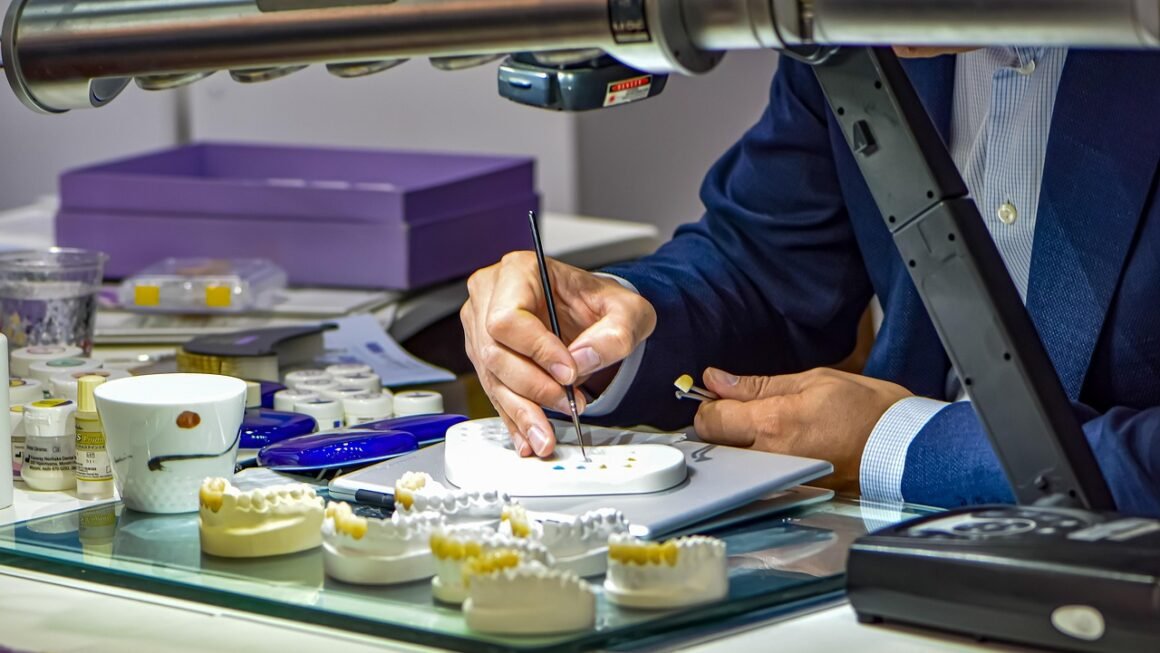
Is your smile not as bright as it used to be? Stains from coffee, tea, wine, and even the natural aging process can dull your pearly whites. Fortunately, achieving a brighter, more confident smile is within reach thanks to a variety of teeth whitening options. From convenient at-home solutions to professional in-office treatments, understanding the choices available will help you make an informed decision that best suits your needs, budget, and desired results. Let’s explore the world of teeth whitening and uncover the secrets to a dazzling smile.
Understanding Teeth Whitening
What Causes Teeth Staining?
Before diving into whitening options, it’s important to understand the root causes of tooth discoloration. Stains can be categorized as either extrinsic or intrinsic.
- Extrinsic Stains: These affect the surface of the enamel and are caused by external factors like:
Food and beverages (coffee, tea, red wine, berries, soy sauce)
Tobacco use (smoking or chewing tobacco)
Poor oral hygiene
- Intrinsic Stains: These occur within the tooth structure and are more difficult to remove. Causes include:
Aging (enamel naturally thins, revealing the yellower dentin underneath)
Certain medications (tetracycline during tooth development)
Dental trauma
* Fluorosis (excessive fluoride exposure during tooth development)
How Teeth Whitening Works
Most teeth whitening products utilize hydrogen peroxide or carbamide peroxide as the active ingredient. These chemicals break down into hydrogen peroxide, which penetrates the enamel and oxidizes the stain molecules, effectively bleaching the discoloration. The concentration of peroxide determines the whitening power and the duration of treatment.
- Higher concentrations are typically used in professional in-office treatments, offering faster and more dramatic results.
- Lower concentrations are found in over-the-counter products, requiring more frequent and prolonged use to achieve similar results.
Professional In-Office Teeth Whitening
The Procedure
In-office teeth whitening, performed by a dentist or dental hygienist, offers the most effective and controlled method for achieving significant whitening results in a single visit. The procedure typically involves:
Benefits of In-Office Whitening
- Fast Results: Significant whitening can be achieved in one or two appointments. Expect to see several shades improvement in just one session.
- Supervised Treatment: A dentist closely monitors the process to ensure safety and minimize sensitivity.
- Customized Approach: The dentist can adjust the concentration and application to suit your individual needs and tooth sensitivity.
- Effective on Stubborn Stains: Often more effective on difficult intrinsic stains compared to over-the-counter options.
Considerations and Cost
While in-office whitening is highly effective, it’s important to consider:
- Cost: In-office whitening is generally more expensive than at-home methods, ranging from $500 to $1000 per treatment, depending on the location and system used.
- Sensitivity: Some patients experience temporary tooth sensitivity after treatment.
- Longevity: Results are not permanent and require maintenance with good oral hygiene and occasional touch-up treatments.
At-Home Teeth Whitening Options
Whitening Toothpastes
Whitening toothpastes are a readily available and affordable option for maintaining a brighter smile and removing surface stains. They typically contain mild abrasives and chemical agents to polish the teeth and remove stains.
- How They Work: Abrasives (like hydrated silica) scrub away surface stains, while chemical agents (like sodium hexametaphosphate) help prevent new stains from forming.
- Limitations: Whitening toothpastes primarily address surface stains and provide limited overall whitening. They won’t dramatically change the color of your teeth.
- Best For: Maintaining results after professional whitening or for individuals with mild surface stains. Look for the ADA seal of acceptance for safety and effectiveness.
Whitening Strips
Whitening strips are thin, flexible strips coated with a peroxide-based whitening gel. They are applied directly to the teeth and worn for a specified period.
- How They Work: The gel adheres to the teeth, releasing peroxide to bleach the enamel.
- Effectiveness: Can provide noticeable whitening after several days or weeks of consistent use.
- Usage: Follow the instructions carefully, as overuse can lead to sensitivity. Common usage is 30 minutes, once or twice a day, for about two weeks.
- Cost: Relatively inexpensive, ranging from $20 to $50 per box.
- Example: Crest 3D White Whitestrips are a popular and widely available option.
Whitening Trays (Over-the-Counter and Custom)
Whitening trays involve wearing a tray filled with a whitening gel over your teeth for a specific period. Options include over-the-counter trays and custom-fitted trays from your dentist.
- Over-the-Counter Trays: These are pre-made, one-size-fits-all trays. They can be less comfortable and less effective than custom trays.
- Custom Trays: Your dentist takes impressions of your teeth to create custom-fitted trays. These provide a more secure fit, ensuring better contact between the gel and your teeth, and reducing gum irritation.
- Effectiveness: Custom trays generally offer more effective and consistent whitening results compared to over-the-counter options. The dentist can also provide a higher concentration whitening gel than is available over-the-counter.
- Cost: Over-the-counter trays are less expensive (around $30-$60), while custom trays from your dentist can range from $300 to $600.
Maintaining Your Whiter Smile
Oral Hygiene Practices
Good oral hygiene is essential for maintaining your newly whitened smile and preventing future staining.
- Brush Twice Daily: Use a soft-bristled toothbrush and fluoride toothpaste to remove plaque and surface stains.
- Floss Daily: Flossing removes plaque and food particles from between your teeth, preventing stain buildup in hard-to-reach areas.
- Regular Dental Checkups: Professional cleanings remove stubborn stains and allow your dentist to monitor your oral health.
Dietary Considerations
Limit or avoid foods and beverages known to cause staining.
- Dark-Colored Drinks: Coffee, tea, red wine, and cola can stain your teeth. Use a straw to minimize contact with your teeth, and rinse your mouth with water afterward.
- Acidic Foods: Citrus fruits and vinegar can erode enamel, making teeth more susceptible to staining.
- Highly Pigmented Foods: Berries, soy sauce, and tomato sauce can also contribute to staining.
Touch-Up Treatments
To maintain your whitening results, consider periodic touch-up treatments.
- At-Home Whitening Kits: Use whitening strips or trays for a few days every few months to brighten your smile.
- Professional Touch-Ups: Schedule a professional whitening treatment with your dentist every year or two.
Conclusion
Choosing the right teeth whitening option depends on your individual needs, preferences, and budget. While over-the-counter products offer convenience and affordability, professional in-office treatments provide the fastest and most dramatic results under the supervision of a dental professional. Regardless of the method you choose, maintaining good oral hygiene and dietary habits is crucial for prolonging the longevity of your whiter smile. Consult with your dentist to determine the best approach for achieving and maintaining a confident, radiant smile.