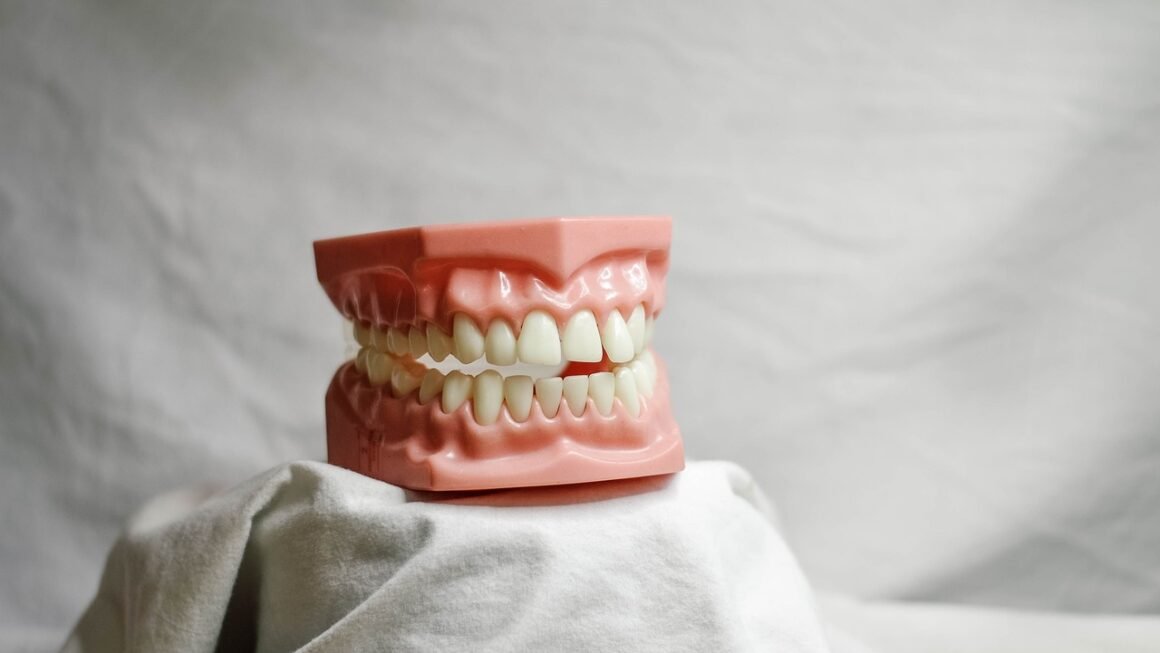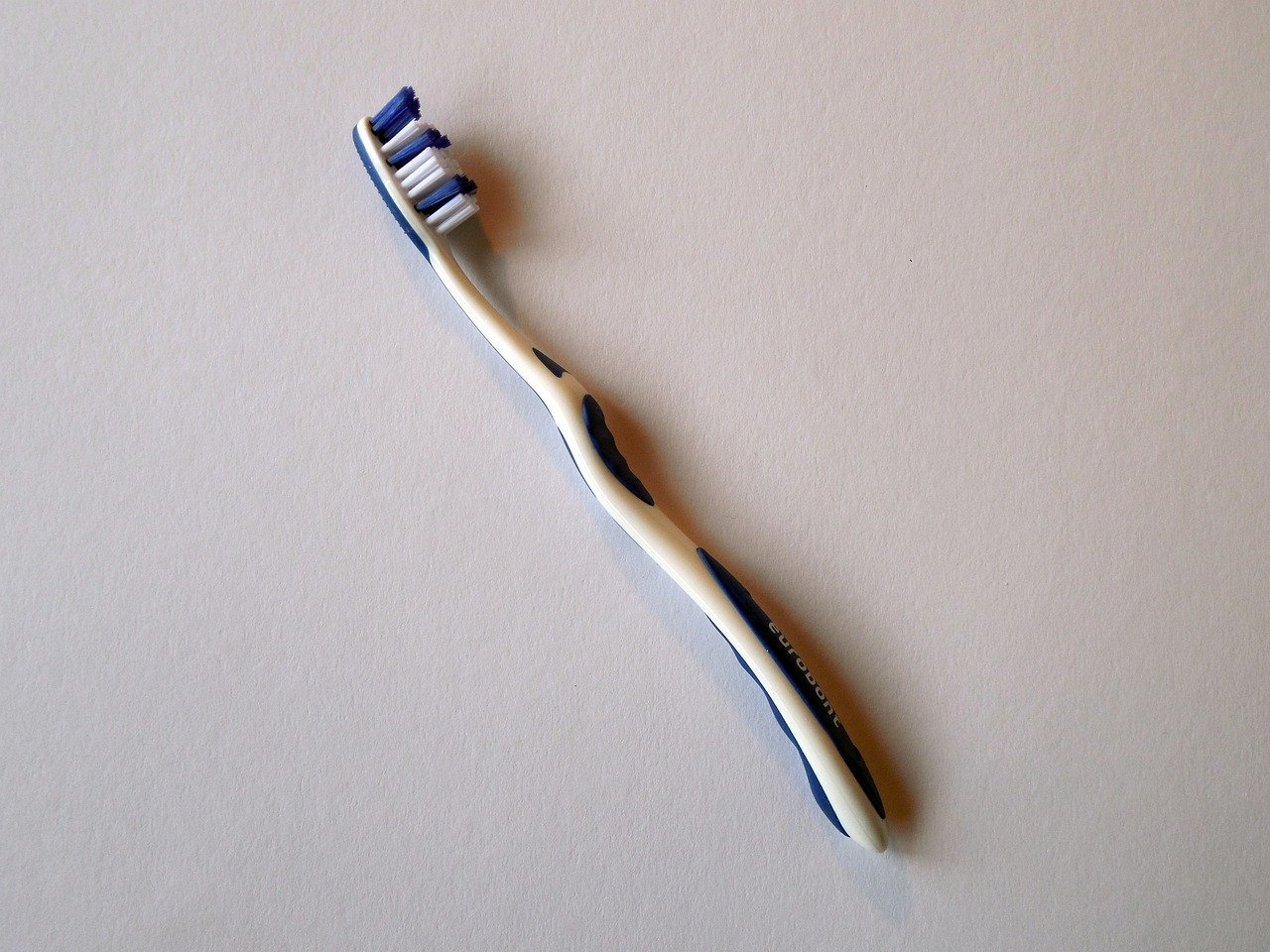
Dental tools: they’re not just for dentists! While the gleaming, sometimes intimidating, array of instruments at your dental check-up might seem mysterious, understanding their purpose can alleviate anxiety and even improve your oral hygiene at home. From the humble mirror to the sophisticated ultrasonic scaler, each tool plays a vital role in maintaining a healthy and beautiful smile. This comprehensive guide will demystify these instruments, explain their functions, and highlight their importance in modern dentistry.
Common Diagnostic Dental Tools
Proper diagnosis is the cornerstone of effective dental treatment. Dentists rely on a variety of tools to accurately assess the health of your teeth and gums.
Dental Mirror
- Purpose: The dental mirror is much more than just a reflector. It allows the dentist to view areas of the mouth that are difficult to see directly, such as the back of the molars and the lingual (tongue-side) surfaces of teeth. It also retracts the cheeks and tongue, providing a clearer field of view.
- Benefits:
Indirect vision: Reaches hidden areas.
Tissue retraction: Improves visibility and accessibility.
Light reflection: Illuminates dark areas.
Dental Explorer
- Purpose: This slender, hook-shaped instrument is used to detect imperfections and abnormalities on the tooth surface. Dentists use it to check for:
Cavities (soft spots in the enamel).
Roughness indicating early signs of decay.
Calculus (tartar) buildup.
- Types: There are different types of explorers, each designed for specific areas of the mouth and types of detection. Some are sharper than others.
- Actionable Takeaway: You can’t replicate the explorer at home, but be vigilant about reporting any sensitivity or rough spots to your dentist.
Dental Probe (Periodontal Probe)
- Purpose: The periodontal probe is a thin instrument with markings (usually in millimeters) used to measure the depth of the gingival sulcus, the space between the tooth and the gum. This measurement helps assess the health of the gums and detect periodontal (gum) disease.
- Benefits:
Early detection of gum disease.
Measurement of pocket depth to track disease progression.
Assessment of bone loss around teeth.
- Normal Reading: A healthy gingival sulcus is typically 1-3 mm deep. Readings above 3 mm can indicate inflammation and potential gum disease.
Instruments for Cleaning and Scaling
Removing plaque and calculus is critical for preventing cavities and gum disease. These tools are essential for professional dental cleaning.
Scalers and Curettes
- Purpose: Scalers and curettes are used to remove plaque and calculus from tooth surfaces. Scalers typically have sharp, pointed tips and are used to remove larger deposits of calculus above the gumline. Curettes have rounded tips and are used to remove calculus below the gumline.
- Types:
Sickle Scalers: Used for removing supragingival calculus (above the gumline).
Universal Curettes: Adaptable for use on all tooth surfaces.
Gracey Curettes: Specific designs for different areas of the mouth.
- Home Care Connection: While you can’t use these tools at home, proper brushing and flossing help minimize the buildup that requires professional removal.
Ultrasonic Scaler
- Purpose: The ultrasonic scaler uses high-frequency vibrations and a water stream to remove plaque and calculus. It’s often used as an alternative to or in conjunction with hand scalers.
- Benefits:
Efficient removal of calculus, especially in hard-to-reach areas.
Less pressure required, potentially reducing discomfort.
Water spray helps flush away debris.
- Mechanism: The ultrasonic scaler emits vibrations that break down calculus deposits. The water stream helps cool the tip and flush away loosened debris.
Polishing Instruments
- Purpose: After scaling, polishing instruments are used to smooth the tooth surfaces. This removes stains and makes it more difficult for plaque to adhere to the teeth.
- Types:
Prophy Cup: A soft rubber cup attached to a handpiece, used with polishing paste.
Prophy Brush: A small brush attached to a handpiece, used for cleaning grooves and pits.
- Benefits:
Removes surface stains.
Smooths tooth surfaces.
Enhances the appearance of teeth.
Restorative Dental Tools
These tools are used to repair damaged or decayed teeth.
High-Speed Handpiece (Dental Drill)
- Purpose: The high-speed handpiece, commonly referred to as the dental drill, is used to remove decay, shape teeth for fillings or crowns, and prepare teeth for root canal treatment.
- Features:
High speed: Up to 400,000 revolutions per minute (RPM).
Water coolant: Prevents overheating.
Various burs: Different shapes and sizes for different tasks.
- Modern Alternatives: While still widely used, air abrasion and lasers are emerging as alternatives for certain procedures.
Low-Speed Handpiece
- Purpose: The low-speed handpiece is used for a variety of tasks, including:
Polishing teeth.
Removing soft decay.
Adjusting dentures.
- Features:
Lower speed: Up to 40,000 RPM.
Various attachments: Polishing cups, brushes, and burs.
- Versatility: The low-speed handpiece is a versatile tool used for a wide range of dental procedures.
Amalgam Carrier and Condenser
- Purpose: These instruments are specifically used for placing and packing amalgam fillings.
- Amalgam Carrier: Carries the amalgam material to the prepared tooth.
- Amalgam Condenser: Packs the amalgam tightly into the prepared tooth cavity to ensure proper adaptation and density.
- Alternative Materials: With the increasing popularity of composite resin fillings, these tools are becoming less frequently used.
Composite Placement Instruments
- Purpose: These instruments are designed for placing and shaping composite resin fillings.
- Types:
Plastic Filling Instruments: Made of plastic to prevent sticking of the composite material.
Bonding Agents and Etchants: Essential chemicals to prepare the tooth surface for composite adhesion.
- Technique Sensitivity: Proper placement and curing of composite resin are crucial for the long-term success of the restoration.
Surgical Dental Tools
For more complex procedures, specialized surgical instruments are required.
Forceps and Elevators
- Purpose: Forceps and elevators are used for tooth extractions. Elevators are used to loosen the tooth from the surrounding bone and ligaments, while forceps are used to grasp and remove the tooth.
- Types: There are various types of forceps and elevators, each designed for specific teeth and situations.
- Minimally Invasive Techniques: Modern techniques aim to minimize trauma during extractions to promote faster healing.
Bone Files and Chisels
- Purpose: Bone files and chisels are used to reshape and smooth bone after tooth extractions or other surgical procedures.
- Bone Files: Used to smooth sharp edges of bone.
- Chisels: Used to remove or reshape larger pieces of bone.
- Surgical Precision: These instruments require precise control to avoid damaging surrounding tissues.
Suturing Instruments
- Purpose: Suturing instruments are used to close incisions after surgical procedures.
- Types: Needle holders, sutures (stitches), and scissors.
- Resorbable Sutures: Many modern sutures are resorbable, meaning they dissolve on their own and do not require removal.
Imaging Technology
Modern dentistry relies heavily on imaging technology for diagnosis and treatment planning.
Dental X-Rays
- Purpose: Dental X-rays are used to visualize the teeth, bone, and surrounding structures. They can detect cavities, impacted teeth, bone loss, and other abnormalities that cannot be seen with the naked eye.
- Types:
Bitewing X-rays: Show the crowns of the teeth and are used to detect cavities between teeth.
Periapical X-rays: Show the entire tooth, from crown to root, and are used to detect problems such as abscesses or bone loss.
Panoramic X-rays: Show the entire mouth, including the teeth, jaws, and sinuses, and are used to assess overall dental health.
- Radiation Safety: Modern dental X-ray machines use minimal radiation and are considered safe when used properly.
Cone-Beam Computed Tomography (CBCT)
- Purpose: CBCT is a type of 3D X-ray imaging that provides detailed views of the teeth, bone, and surrounding structures. It is often used for complex cases, such as:
Implant planning.
Root canal treatment.
Jaw surgery.
- Benefits:
Detailed 3D images.
Accurate assessment of bone structure.
* Improved treatment planning.
- Advanced Diagnostics: CBCT scans provide significantly more information than traditional X-rays.
Conclusion
Understanding the purpose of dental tools can make your visits to the dentist less intimidating and more productive. From diagnostic instruments that detect early problems to restorative tools that repair damaged teeth, each plays a critical role in maintaining your oral health. By appreciating the function of these instruments, you can better understand the care you receive and take a more active role in preserving your smile.