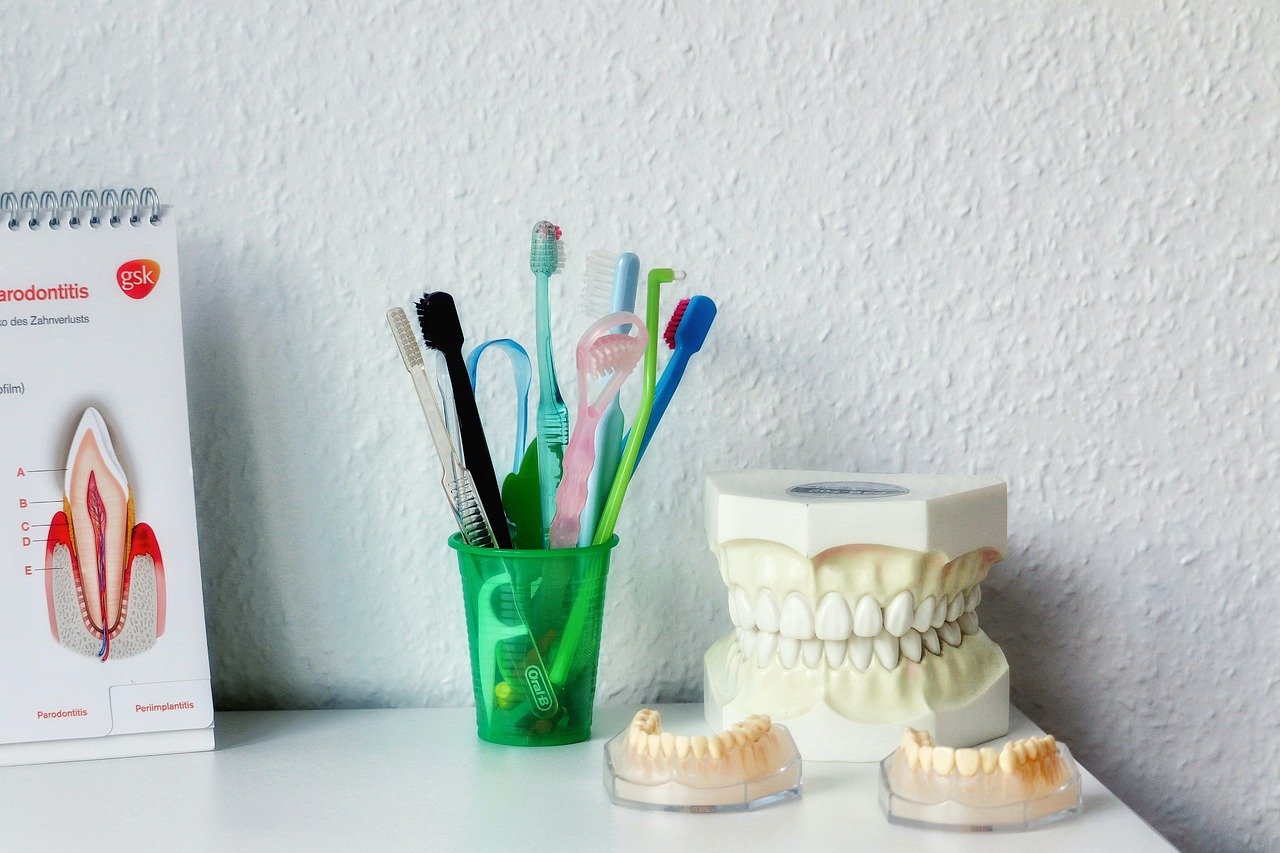
Navigating the world of dental insurance can feel like a daunting task. Deciphering deductibles, co-pays, and maximums, all while trying to ensure your pearly whites are protected, requires careful consideration. This guide will break down the essentials of comparing dental insurance plans, arming you with the knowledge to choose the best option for your oral health needs and budget.
Understanding the Basics of Dental Insurance
Common Dental Insurance Plan Types
Understanding the different types of dental insurance is the first step in making an informed decision. Each type has its own set of rules and cost structures:
- Dental Health Maintenance Organizations (DHMOs): Generally the most affordable option. DHMOs require you to choose a primary dentist from their network. You must receive referrals from your primary dentist to see specialists.
Example: You have a DHMO plan and need to see an orthodontist. You must first visit your primary dentist for a referral before seeing the orthodontist. Failure to obtain a referral may result in denial of coverage.
- Dental Preferred Provider Organizations (DPPOs): Offer more flexibility compared to DHMOs. You can see any dentist, but you’ll typically pay less when visiting a dentist within the PPO network. No referrals are needed to see specialists.
Example: Your DPPO plan has a network dentist down the street, but you prefer your childhood dentist who is out-of-network. You can still see your childhood dentist, but your out-of-pocket costs will likely be higher.
- Dental Indemnity Plans (Traditional Fee-for-Service): Provide the most flexibility, allowing you to see any dentist without network restrictions. Indemnity plans typically have higher premiums and may require you to pay upfront and submit claims for reimbursement.
Example: You visit a dentist, pay the full amount, and then submit a claim to your insurance company for reimbursement based on your plan’s coverage. These plans are becoming less common.
- Discount Dental Plans: These are not insurance. Instead, you pay a yearly fee to gain access to a network of dentists who offer services at reduced rates.
Example: Instead of filing claims, you show your membership card at the dentist’s office and receive the pre-negotiated discount off the standard fee for services.
Key Dental Insurance Terms
Familiarize yourself with these terms to better understand your dental insurance policy:
- Premium: The monthly or annual fee you pay for coverage.
- Deductible: The amount you must pay out-of-pocket before your insurance begins to cover costs.
Example: Your deductible is $50. You pay the first $50 of dental expenses each year before your insurance starts paying its share.
- Co-pay: A fixed amount you pay for specific services, such as a dental cleaning or exam.
Example: Your co-pay for a dental cleaning is $20. You pay $20 at the time of service, and your insurance covers the remaining cost.
- Co-insurance: The percentage of costs you share with your insurance company after you meet your deductible.
Example: Your co-insurance is 20%. After you meet your deductible, you pay 20% of the cost of each covered service, and your insurance pays the remaining 80%.
- Annual Maximum: The maximum amount your insurance will pay for dental care in a benefit year.
Example: Your annual maximum is $1,500. Once your insurance pays out $1,500 in benefits, you’re responsible for paying the remaining costs for the year.
- Waiting Periods: The period of time you must wait after enrolling in a dental plan before certain services are covered. Often, preventative care (cleanings and exams) are covered immediately, while more extensive procedures (like fillings, crowns, and orthodontics) have a waiting period, commonly 6-12 months.
Evaluating Coverage Levels
Understanding Coverage Categories
Dental insurance typically categorizes services into three main types:
- Preventive Care: Includes routine checkups, cleanings, and X-rays. These are often covered at or close to 100% to encourage regular dental care.
Actionable Takeaway: Prioritize plans with high coverage for preventive care, as it can help you avoid more costly procedures in the future.
- Basic Restorative Care: Includes fillings, simple extractions, and root canals on front teeth. These are usually covered at around 80% after meeting your deductible.
- Major Restorative Care: Includes crowns, bridges, dentures, implants, and orthodontics. These often have the lowest coverage percentage (around 50%) and may be subject to waiting periods.
Assessing Your Dental Needs
Before comparing plans, assess your individual dental needs. Consider:
- Your current oral health: Do you have any existing dental issues that require immediate attention?
- Your family history: Are you at a higher risk for certain dental conditions?
- Your budget: How much can you afford to spend on premiums, deductibles, and co-pays?
- Future needs: Are you planning on getting braces, implants, or other major dental work in the future?
Example: If you know you need a crown replacement in the near future, look for plans with strong major restorative care coverage, even if it means paying a slightly higher premium.
Comparing Costs: Premiums vs. Out-of-Pocket Expenses
Analyzing Premium Costs
Premiums are the most obvious cost associated with dental insurance. However, it’s important to consider the overall cost, including potential out-of-pocket expenses.
- Tip: Get quotes from multiple insurance companies to compare premium rates for different plan types.
- Consider: Some employers offer dental insurance as part of their benefits package. Compare these options against individual plans.
Calculating Potential Out-of-Pocket Expenses
Beyond premiums, factor in:
- Deductible: How much will you have to pay before your insurance kicks in?
- Co-pays and Co-insurance: What percentage of costs will you be responsible for?
- Annual Maximum: How much coverage does the plan offer in a year?
- Network Restrictions: Will you need to switch dentists to stay in-network? Out-of-network costs can be significantly higher.
Example: Two plans have similar premiums. Plan A has a lower deductible and higher co-insurance, while Plan B has a higher deductible and lower co-insurance. If you anticipate needing a lot of dental work, Plan A might be more cost-effective, even with the higher co-insurance, as the lower deductible will kick in your benefits sooner.
Evaluating Provider Networks and Benefits
Checking Network Coverage
Confirm that your current dentist is in-network for the plans you’re considering, especially if you have a DPPO or DHMO plan.
- Tool: Use the insurance company’s online provider directory to search for dentists in your area.
- Actionable Takeaway: If you’re unwilling to switch dentists, prioritize plans that include your current provider in their network.
Analyzing Benefits and Limitations
Carefully review the plan’s schedule of benefits to understand what services are covered and at what level.
- Consider: Are there any exclusions or limitations, such as cosmetic dentistry or pre-existing conditions?
- Look for: Plans that offer coverage for services you anticipate needing, such as orthodontics for children or implants for adults.
- Example: Some plans only cover the least expensive type of filling (amalgam) even if you prefer a tooth-colored filling (composite). You may need to pay the difference out of pocket.
Exploring Alternatives to Traditional Dental Insurance
Dental Savings Plans
As mentioned earlier, these plans offer discounts on dental services at participating providers.
- Pros: Lower cost compared to traditional insurance, no waiting periods, no annual maximums.
- Cons: Limited network of providers, discounts may vary, not insurance.
Actionable Takeaway: Dental savings plans can be a good option if you have difficulty affording traditional insurance or if you don’t require extensive dental work.
Flexible Spending Accounts (FSAs) and Health Savings Accounts (HSAs)
These accounts allow you to set aside pre-tax money for healthcare expenses, including dental care.
- Benefits: Tax savings, flexibility in choosing providers.
- Requirements: FSAs are typically offered through employers and must be used within a specific time frame. HSAs require a high-deductible health insurance plan.
Tip: Use an FSA or HSA to cover out-of-pocket dental expenses, such as deductibles, co-pays, and co-insurance.
Direct Payment to Dentist
Establish a relationship with a local dentist who offers payment plans. This is an option if insurance is not an option.
- Benefits: Establishing a relationship with a local dentist, sometimes payment arrangements can be worked out.
- Requirements: This does not cover a lot of costs, only covers your relationship with that specific dentist.
Tip: This option is not the best if you are expecting major procedures.
Conclusion
Choosing the right dental insurance plan requires careful consideration of your individual needs, budget, and preferences. By understanding the different types of plans, key terms, coverage levels, and provider networks, you can make an informed decision that protects your oral health and your wallet. Remember to compare multiple options, analyze potential out-of-pocket expenses, and explore alternatives to traditional insurance to find the best fit for you and your family. Prioritizing preventative care, understanding waiting periods, and carefully reviewing policy details will contribute to a healthier smile and peace of mind.