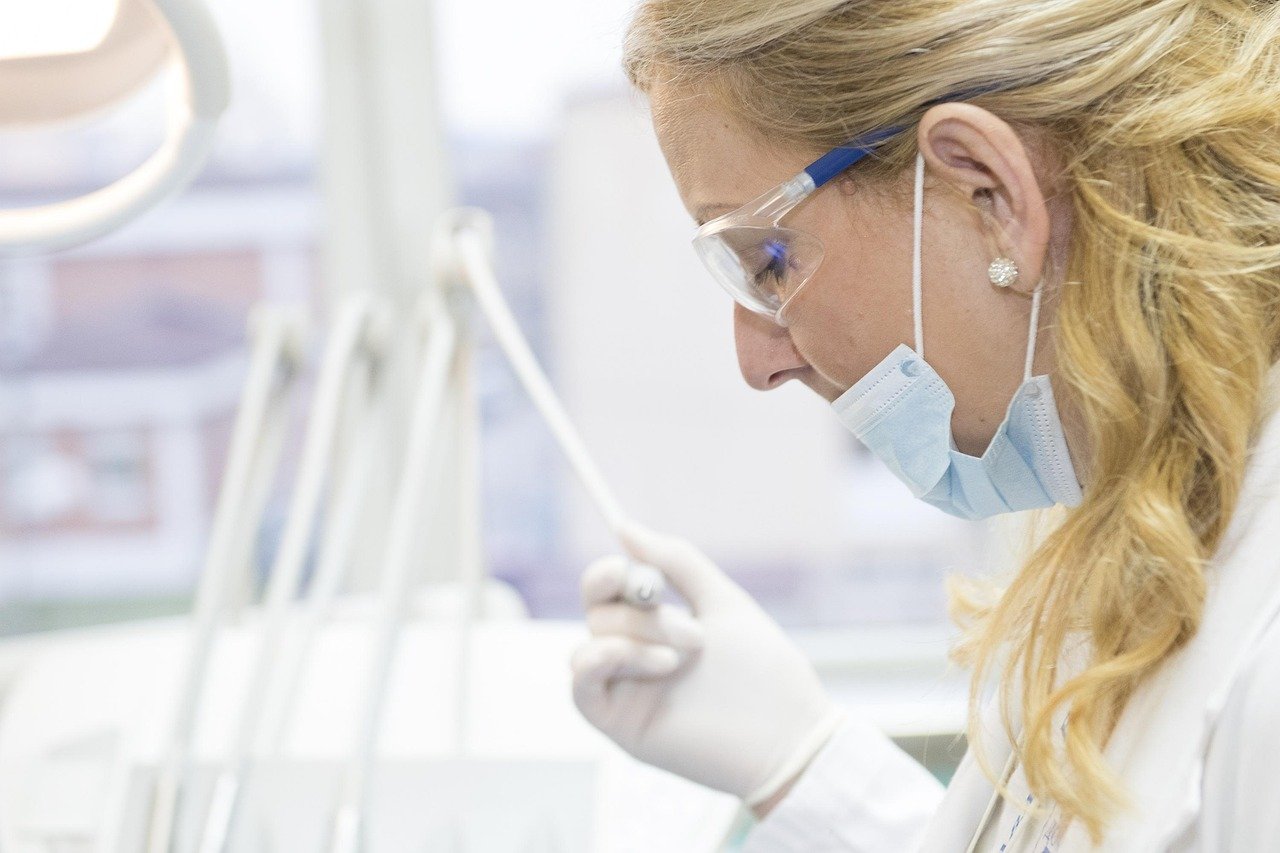
Dental polishing: it’s that satisfyingly smooth feeling you get after a dental cleaning, but it’s so much more than just a pleasant sensation. While it contributes to a brighter, healthier smile, the process plays a vital role in maintaining overall oral health. Understanding the ins and outs of dental polishing can help you appreciate its benefits and ensure you are taking the best possible care of your teeth. Let’s delve into the details of this essential dental procedure.
What is Dental Polishing?
Definition and Purpose
Dental polishing is a procedure performed by dental professionals to smooth the surfaces of teeth, primarily after scaling and root planing (deep cleaning). The goal is to remove stains and plaque that haven’t been dislodged during the initial cleaning phases, leaving the teeth clean and resistant to future plaque buildup. Think of it as the final finishing touch on a comprehensive dental cleaning.
Different Types of Polishing
There are two primary types of dental polishing:
- Coronal Polishing: This is the most common type, focusing on polishing the crown (the visible part) of the teeth. It’s performed to remove extrinsic stains (stains on the surface) and plaque.
- Selective Polishing: This approach involves polishing only specific areas of the teeth where stains are present or where plaque accumulation is high. This is preferred as it minimizes the removal of enamel.
The choice between these methods depends on the individual patient’s needs and the dentist’s assessment.
The Polishing Process: Step-by-Step
Here’s what you can typically expect during a dental polishing procedure:
Why is Dental Polishing Important?
Removal of Stains and Plaque
The most obvious benefit is the removal of unsightly stains caused by coffee, tea, tobacco, and certain foods. Beyond aesthetics, polishing removes plaque, a sticky film of bacteria that contributes to tooth decay and gum disease.
Creating a Smoother Tooth Surface
Polished teeth are smoother. This is crucial because:
- Plaque Adhesion: A smooth surface makes it harder for plaque to adhere to the teeth, reducing the risk of bacterial buildup.
- Reduced Calculus Formation: Smooth teeth are less likely to accumulate calculus (tartar), hardened plaque that can only be removed by a professional.
Think of it like a non-stick pan versus a regular pan; food (or in this case, plaque) is less likely to stick to the non-stick surface.
Improved Gum Health
By removing plaque and creating a smoother surface, dental polishing contributes to healthier gums. Reducing plaque buildup helps to prevent gingivitis (inflammation of the gums) and periodontitis (a more severe form of gum disease). In fact, The American Academy of Periodontology estimates that nearly half of American adults aged 30 or older have some form of periodontal disease. Regular polishing helps combat this.
Aesthetic Benefits
Beyond the health benefits, polishing significantly improves the appearance of your teeth. Removing stains results in a brighter, more attractive smile, boosting your confidence and self-esteem.
Potential Risks and Considerations
Enamel Removal
While polishing provides many benefits, it’s important to acknowledge the potential for enamel removal. Over-aggressive polishing or the use of excessively abrasive pastes can thin the enamel layer, potentially increasing tooth sensitivity and vulnerability to decay. This is why selective polishing is increasingly preferred.
Root Sensitivity
In some cases, polishing can exacerbate root sensitivity, particularly if the gum line has receded, exposing the root surface. Dentists will use low-abrasive pastes and take extra care in these sensitive areas.
Considerations for Patients with Specific Conditions
- Patients with Dentin Hypersensitivity: Special pastes with desensitizing agents may be used to minimize discomfort.
- Patients with Thin Enamel: Selective polishing with low-abrasive pastes is essential.
- Patients with Restorations: Special attention must be paid to avoid damaging dental restorations (fillings, crowns, etc.).
Choosing the Right Polishing Paste
Types of Abrasives
Dental polishing pastes contain abrasive particles that physically remove stains and plaque. Common abrasives include:
- Pumice: A volcanic glass that provides effective cleaning.
- Zirconium Silicate: A milder abrasive that is less likely to damage enamel.
- Aluminum Oxide: An alternative abrasive known for its effectiveness.
The choice of abrasive depends on the patient’s needs and the extent of staining.
Abrasivity Levels: Coarse, Medium, Fine
Polishing pastes are available in different abrasivity levels:
- Coarse: Used for heavy stain removal.
- Medium: Suitable for moderate stain removal and general polishing.
- Fine: Used for light stain removal and polishing teeth with thin enamel or restorations.
Using the appropriate abrasivity level is crucial to minimize enamel removal and prevent sensitivity. Your dental professional will select the paste best suited for your specific needs.
Fluoride-Containing Polishing Pastes
Some polishing pastes contain fluoride, which helps to strengthen the enamel and protect against decay. These pastes can provide an added layer of protection during the polishing procedure.
Maintaining Your Polished Smile
Oral Hygiene Practices
Maintaining good oral hygiene at home is essential for preserving the results of your dental polishing. This includes:
- Brushing: Brush your teeth twice daily with a fluoride toothpaste.
- Flossing: Floss daily to remove plaque and food particles from between your teeth.
- Mouthwash: Use an antimicrobial mouthwash to further reduce bacteria in your mouth.
Diet and Lifestyle Choices
Diet and lifestyle choices significantly impact the longevity of your polished smile.
- Limit Stain-Causing Foods and Drinks: Reduce your consumption of coffee, tea, red wine, and dark-colored sodas.
- Avoid Tobacco Products: Smoking and chewing tobacco can cause significant staining and damage to your teeth.
- Hydration: Drink plenty of water to help rinse away food particles and bacteria.
Regular Dental Checkups
Regular dental checkups and cleanings are essential for maintaining optimal oral health. Your dental professional can assess your oral health, identify any potential problems, and perform professional cleanings and polishing as needed. Most dentists recommend professional cleanings every six months.
Conclusion
Dental polishing is an integral part of maintaining a healthy, bright smile. From removing stubborn stains to creating a smoother tooth surface that resists plaque buildup, the benefits are numerous. Understanding the process, potential risks, and the importance of proper maintenance can empower you to take proactive steps towards preserving your oral health. By working closely with your dentist and adopting good oral hygiene practices at home, you can enjoy the long-lasting benefits of a polished smile for years to come.