Dental cleanings are a cornerstone of preventative dental care, helping you maintain a healthy and bright smile. But understanding what your dental insurance covers when it comes to these essential visits can sometimes feel like navigating a maze. This guide demystifies dental cleaning coverage, exploring the different types of cleanings, what to expect from your insurance, and how to maximize your benefits for a healthier, happier you.
Understanding the Importance of Regular Dental Cleanings
What Happens During a Dental Cleaning?
A professional dental cleaning goes far beyond what you can achieve with brushing and flossing at home. It involves a thorough examination and removal of plaque and tartar buildup, which can lead to cavities, gum disease, and other oral health problems. A typical cleaning includes:
- Examination: The dentist or hygienist will visually inspect your teeth and gums for any signs of decay, disease, or other abnormalities.
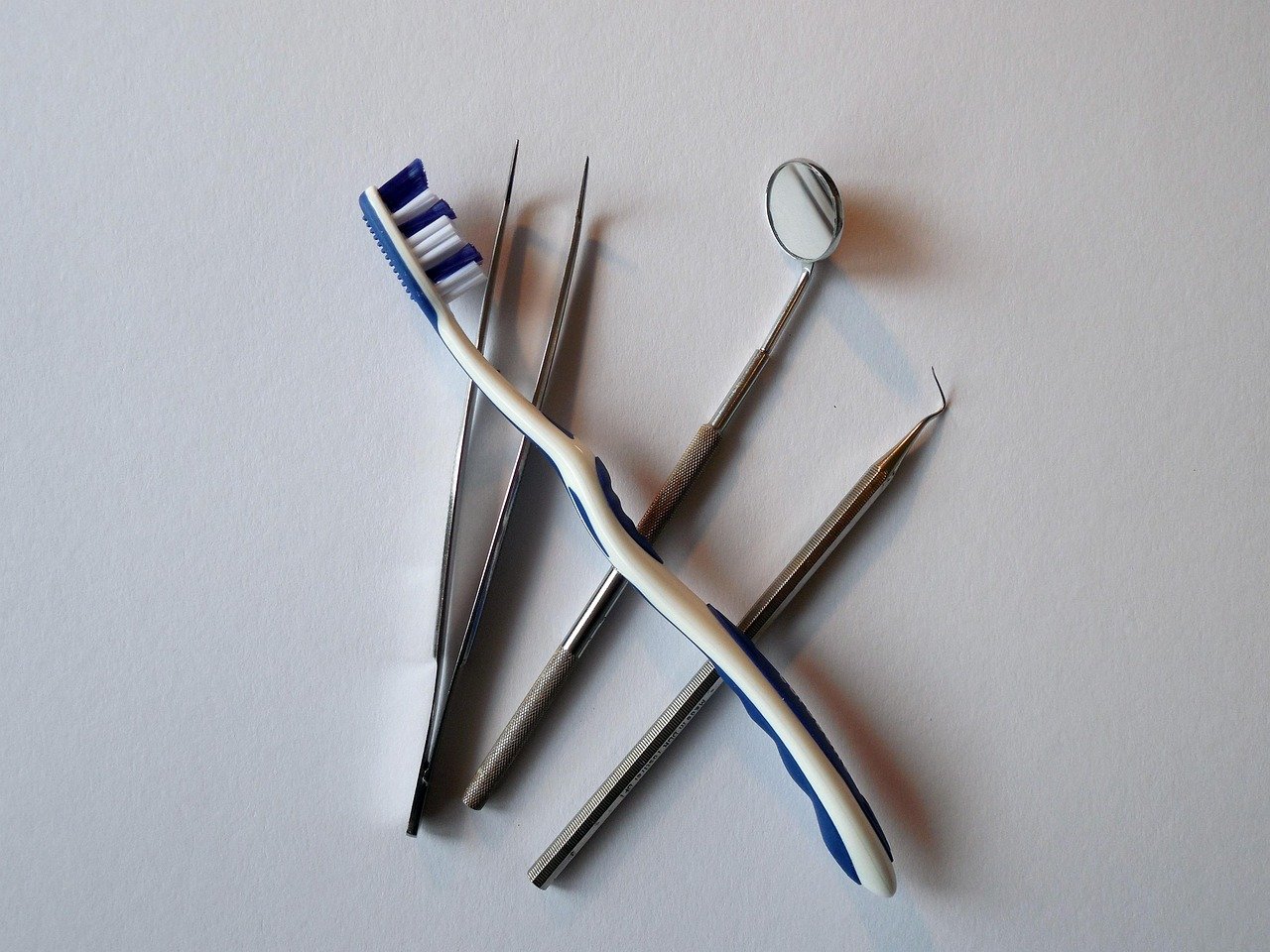
- Plaque and Tartar Removal: Using specialized instruments, the hygienist will remove plaque and tartar from above and below the gum line.
- Polishing: Your teeth are polished with a slightly abrasive paste to remove surface stains and leave them feeling smooth.
- Fluoride Treatment: A fluoride treatment can help strengthen your enamel and protect against future decay, especially beneficial for children.
Why Regular Cleanings are Essential
Consistent dental cleanings are crucial for:
- Preventing Cavities: Removing plaque and tartar eliminates the primary cause of tooth decay.
- Combating Gum Disease (Gingivitis and Periodontitis): Regular cleanings help prevent and manage gum disease by removing bacteria that irritate the gums. Left untreated, gum disease can lead to tooth loss and even systemic health problems. According to the CDC, approximately 47.2% of adults aged 30 years and older have some form of periodontal disease.
- Early Detection of Oral Health Issues: Your dentist can identify potential problems early on, such as oral cancer or other abnormalities, allowing for timely treatment.
- Maintaining Overall Health: Studies have linked oral health to overall health, with poor oral hygiene potentially contributing to heart disease, diabetes, and other conditions.
- Fresh Breath: Removing bacteria and food particles contributes to fresher breath and a more confident smile.
Types of Dental Cleanings and Their Coverage
Dental insurance policies often categorize cleanings into different types, each with varying levels of coverage. It’s important to understand the distinctions.
Prophylaxis (Preventive Cleaning)
- This is the most common type of dental cleaning, typically performed on patients with healthy gums and minimal plaque/tartar buildup.
- Coverage: Most dental insurance plans cover prophylaxis cleanings at 100%, usually twice a year.
- Example: A routine checkup and cleaning every six months for someone with good oral hygiene habits would typically fall under prophylaxis.
Scaling and Root Planing (Deep Cleaning)
- This is a more intensive cleaning procedure used to treat gum disease (periodontitis). It involves removing plaque and tartar from deep below the gum line and smoothing the tooth roots to promote healing.
- Coverage: Scaling and root planing is often covered at a lower percentage than prophylaxis, such as 50-80%, and may be subject to a deductible.
- Example: If your dentist diagnoses you with moderate to severe periodontitis, you may require scaling and root planing in one or more quadrants of your mouth.
Periodontal Maintenance
- This type of cleaning is performed on patients who have already undergone scaling and root planing to maintain their gum health.
- Coverage: Similar to scaling and root planing, periodontal maintenance is usually covered at a lower percentage than prophylaxis.
- Example: After completing scaling and root planing, you might need periodontal maintenance cleanings every 3-4 months to prevent the recurrence of gum disease.
Other Types of Cleanings
- Some insurance plans may also cover other types of cleanings, such as those for children or patients with specific medical conditions.
- Coverage: Coverage for these types of cleanings varies widely, so it’s important to check your policy details.
Understanding Your Dental Insurance Policy
Navigating your dental insurance policy is key to understanding your cleaning coverage.
Key Terms to Know
- Premium: The monthly payment you make for your dental insurance plan.
- Deductible: The amount you must pay out-of-pocket before your insurance starts covering services.
- Coinsurance: The percentage of the cost you are responsible for after you’ve met your deductible.
- Annual Maximum: The maximum amount your insurance will pay for dental care in a year.
- Waiting Period: The time you must wait after enrolling in a dental plan before you can use certain benefits. Waiting periods can vary from a few months to a year for major procedures.
- In-Network vs. Out-of-Network: In-network dentists have agreed to accept contracted rates with your insurance company, while out-of-network dentists may charge higher fees, resulting in higher out-of-pocket costs.
How to Find Out What Your Plan Covers
- Review Your Policy Documents: Your insurance company provides documents outlining your coverage, including details about cleaning benefits, deductibles, coinsurance, and annual maximums.
- Contact Your Insurance Provider: Call your insurance company directly to ask specific questions about your coverage for different types of dental cleanings.
- Check Your Insurance Company’s Website: Most insurance companies have online portals where you can access your policy information, check your benefits, and find in-network dentists.
- Ask Your Dentist’s Office: Many dental offices are experienced in working with insurance companies and can help you understand your coverage. They can even submit a pre-treatment estimate to your insurance to determine your out-of-pocket costs.
Example Scenario: Understanding Coverage
Let’s say your dental insurance policy has a $50 deductible, 80% coinsurance for scaling and root planing, and a $1,500 annual maximum. You need scaling and root planing, which costs $800.
Maximizing Your Dental Cleaning Coverage
Getting the most out of your dental cleaning benefits involves careful planning and proactive communication.
Schedule Regular Checkups and Cleanings
- Most dental insurance plans cover two preventive cleanings per year. Take advantage of this benefit to maintain optimal oral health.
- Actionable Takeaway: Schedule your cleanings in advance to ensure you don’t miss them. Many dental offices send reminder notices.
Utilize In-Network Dentists
- Choosing an in-network dentist will typically result in lower out-of-pocket costs because they have agreed to contracted rates with your insurance company.
- Actionable Takeaway: Use your insurance company’s website or provider directory to find in-network dentists in your area.
Ask About Pre-Treatment Estimates
- Before undergoing any major dental work, such as scaling and root planing, ask your dentist’s office to submit a pre-treatment estimate to your insurance company. This will give you a clear understanding of your out-of-pocket costs.
- Actionable Takeaway: Review the pre-treatment estimate carefully and discuss any concerns with your dentist or insurance company.
Consider Supplemental Dental Insurance
- If your current dental insurance plan doesn’t provide adequate coverage for your needs, consider purchasing supplemental dental insurance. This can help cover costs for procedures like scaling and root planing or other major dental work.
- Actionable Takeaway: Research different supplemental dental insurance options and compare their benefits and costs.
Maintain Good Oral Hygiene at Home
- Brushing twice a day, flossing daily, and using mouthwash can help prevent plaque and tartar buildup, reducing the need for more extensive cleanings.
- Actionable Takeaway: Invest in quality oral hygiene products and establish a consistent routine.
What to Do if You Don’t Have Dental Insurance
Even without dental insurance, you can still maintain good oral health through regular cleanings.
Community Dental Clinics
- Many communities have dental clinics that offer low-cost or free dental care to those who qualify.
- Actionable Takeaway: Search online for community dental clinics in your area or contact your local health department for information.
Dental Schools
- Dental schools often provide affordable dental care performed by students under the supervision of experienced faculty members.
- Actionable Takeaway: Contact dental schools in your region to inquire about their services and costs.
Discount Dental Plans
- Discount dental plans offer reduced rates on dental services at participating dentists in exchange for an annual fee.
- Actionable Takeaway: Compare different discount dental plans and their participating dentists to find one that meets your needs.
Negotiate with Your Dentist
- Some dentists may be willing to offer payment plans or discounts for patients who don’t have dental insurance.
- Actionable Takeaway: Discuss your financial situation with your dentist and explore available payment options.
Conclusion
Understanding dental cleaning coverage is crucial for maintaining optimal oral health and managing your healthcare expenses. By understanding the different types of cleanings, reviewing your dental insurance policy, and maximizing your benefits, you can ensure you receive the preventative care you need to keep your smile healthy and bright. Even without insurance, affordable options are available to ensure you can prioritize your oral health. Take proactive steps to understand your options, and you’ll be well on your way to a healthier smile for years to come.