A dazzling, white smile is often associated with confidence and health. It’s no wonder teeth whitening is one of the most sought-after cosmetic dental procedures. But navigating the world of teeth whitening can be overwhelming, with countless products and methods available. This guide offers practical, evidence-based teeth whitening tips to help you achieve a brighter, healthier smile safely and effectively.
Understanding Teeth Whitening and Staining
What Causes Teeth Staining?
Understanding the causes of teeth staining is crucial for effective whitening. Stains are broadly categorized into:
- Extrinsic Stains: These occur on the enamel surface and are usually caused by external factors like:
– Food and drinks (coffee, tea, red wine, berries)
– Tobacco use (smoking or chewing)
– Poor oral hygiene
- Intrinsic Stains: These develop inside the tooth structure and are harder to remove. They can be caused by:
– Certain medications (tetracycline) taken during tooth development
– Tooth trauma
– Excessive fluoride exposure (fluorosis)
– Aging, which naturally thins the enamel, revealing the yellower dentin beneath.
How Teeth Whitening Works
Most teeth whitening products use hydrogen peroxide or carbamide peroxide as the active ingredient. These chemicals break down stains into smaller, colorless molecules, making the teeth appear whiter. The concentration of peroxide determines the strength and speed of the whitening process. Professional treatments offered by dentists typically use higher concentrations than over-the-counter options, resulting in faster and more noticeable results.
Professional Teeth Whitening Options
In-Office Whitening
Professional in-office whitening, often called “power bleaching,” is performed by a dentist and offers the most dramatic results.
- Procedure: The dentist applies a high-concentration hydrogen peroxide gel to the teeth after protecting the gums and soft tissues. A special light or laser may be used to activate the gel, accelerating the whitening process.
- Benefits: Significant whitening in a single appointment (typically 1-2 hours), controlled environment for optimal results, and minimal sensitivity due to protective measures.
- Cost: Typically more expensive than at-home options, ranging from $300 to $800 per treatment.
Custom Whitening Trays
Dentists can also create custom-fitted whitening trays for at-home use.
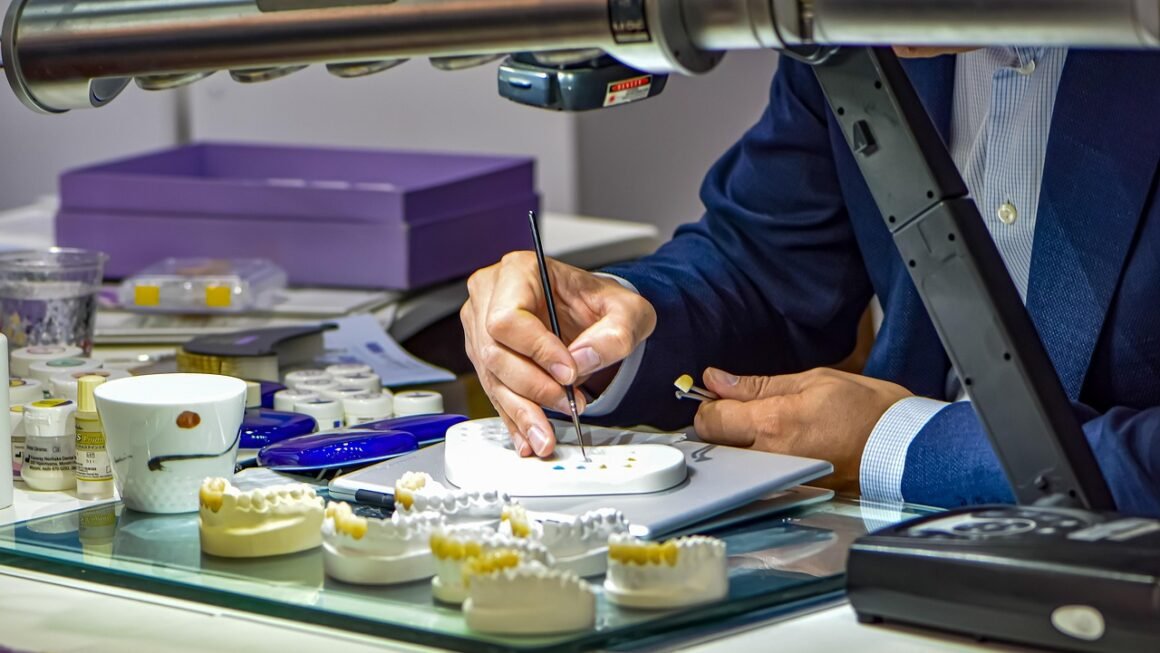
- Procedure: The dentist takes impressions of your teeth to create custom-fitted trays. They provide a whitening gel with a lower concentration of peroxide than in-office treatments, along with instructions on how long to wear the trays each day.
- Benefits: More effective than over-the-counter trays due to the custom fit, which ensures the gel remains in contact with the teeth. Gradual whitening allows for better control over the desired shade.
- Cost: Less expensive than in-office whitening, typically ranging from $200 to $500.
Over-the-Counter Teeth Whitening Products
Whitening Toothpastes
Whitening toothpastes contain mild abrasives and chemical agents to remove surface stains.
- Effectiveness: Primarily effective for removing extrinsic stains. They can help maintain whiteness after professional treatments but won’t dramatically change the color of your teeth.
- Considerations: Choose toothpastes with the ADA Seal of Acceptance, which indicates they are safe and effective. Be mindful of abrasive toothpastes, which can erode enamel over time.
- Example: Using a whitening toothpaste once or twice daily can help maintain the brightness achieved through professional whitening.
Whitening Strips
Whitening strips are thin, flexible strips coated with a peroxide-based gel.
- Effectiveness: Can provide noticeable whitening, especially for surface stains. The concentration of peroxide is lower than professional treatments, so results take longer.
- Considerations: Follow the instructions carefully to avoid gum irritation and tooth sensitivity. Choose strips that fit well to ensure even coverage.
- Example: Crest 3D White Whitestrips are a popular and readily available option.
Whitening Trays (Over-the-Counter)
Over-the-counter whitening trays are pre-made and filled with a whitening gel.
- Effectiveness: Less effective than custom-fitted trays because they don’t conform perfectly to your teeth, allowing saliva to dilute the gel.
- Considerations: Choose trays that fit as snugly as possible. Be aware that they may cause gum irritation due to ill-fitting design.
- Cost: Typically the least expensive option, ranging from $20 to $50.
Natural Teeth Whitening Remedies
While not as potent as professional or over-the-counter options, some natural remedies can help brighten your smile. It’s crucial to consult with your dentist before trying any natural remedies, as some can be abrasive and damage enamel.
Baking Soda
Baking soda is a mild abrasive that can help remove surface stains.
- How to Use: Mix baking soda with water to form a paste and brush your teeth gently for 2 minutes. Rinse thoroughly. Use sparingly (once or twice a week) to avoid enamel erosion.
- Caution: Excessive use can damage enamel.
Oil Pulling
Oil pulling involves swishing oil (typically coconut, sesame, or sunflower oil) in your mouth for 15-20 minutes.
- How it Works: It is believed to help remove bacteria and toxins from the mouth, which may contribute to staining.
- Considerations: While some studies suggest oil pulling may improve oral hygiene, there is limited scientific evidence to support its whitening effects. It is not a substitute for regular brushing and flossing.
Fruits and Vegetables
Certain fruits and vegetables can help brighten teeth naturally.
- Apples: The crisp texture helps scrub away surface stains.
- Strawberries: Contain malic acid, which can help remove surface stains.
– How to Use: Mash a strawberry and rub it on your teeth for a few minutes, then rinse thoroughly. Use sparingly as the acidity can weaken enamel.
- Pineapple: Contains bromelain, an enzyme that may help remove stains.
Maintaining Your White Smile
Oral Hygiene
Maintaining good oral hygiene is essential for preventing stains and keeping your teeth white.
- Brush Twice Daily: Use a soft-bristled toothbrush and fluoride toothpaste.
- Floss Daily: Remove plaque and food particles from between your teeth.
- Regular Dental Checkups: Professional cleanings can remove stubborn stains and plaque buildup. The dentist can also monitor your oral health and provide personalized recommendations for whitening and stain prevention.
Diet and Lifestyle
Your diet and lifestyle choices significantly impact the color of your teeth.
- Limit Stain-Causing Foods and Drinks: Reduce your intake of coffee, tea, red wine, cola, and berries.
- Use a Straw: When drinking stain-causing beverages, use a straw to minimize contact with your teeth.
- Rinse After Consuming Stain-Causing Substances: Rinse your mouth with water after eating or drinking stain-causing substances to help prevent stains from setting in.
- Quit Smoking: Smoking is a major cause of teeth staining and other oral health problems.
Conclusion
Achieving and maintaining a white smile requires a combination of professional treatments, over-the-counter products, natural remedies (used with caution), and good oral hygiene practices. Consult with your dentist to determine the best whitening option for your individual needs and goals. By understanding the causes of staining and adopting a comprehensive approach, you can enjoy a brighter, healthier, and more confident smile. Remember that consistency is key; maintaining good habits and following your dentist’s recommendations will ensure your smile stays dazzling for years to come.