Achieving a brighter, whiter smile is a goal for many, and with a plethora of teeth whitening products available, knowing where to start can feel overwhelming. From whitening toothpastes and strips to professional in-office treatments, understanding the options, their effectiveness, and potential risks is crucial for making informed decisions. This guide provides a comprehensive overview of teeth whitening products to help you navigate the choices and achieve the radiant smile you desire.
Understanding Teeth Whitening
What Causes Teeth Discoloration?
Before diving into whitening products, it’s essential to understand why teeth become discolored in the first place. Several factors contribute to staining, including:
- Diet: Consuming dark-colored foods and beverages like coffee, tea, red wine, and berries can stain teeth over time.
- Tobacco Use: Smoking or chewing tobacco significantly contributes to yellowing and browning of teeth.
- Poor Oral Hygiene: Inadequate brushing and flossing allow plaque and tartar to build up, leading to staining.
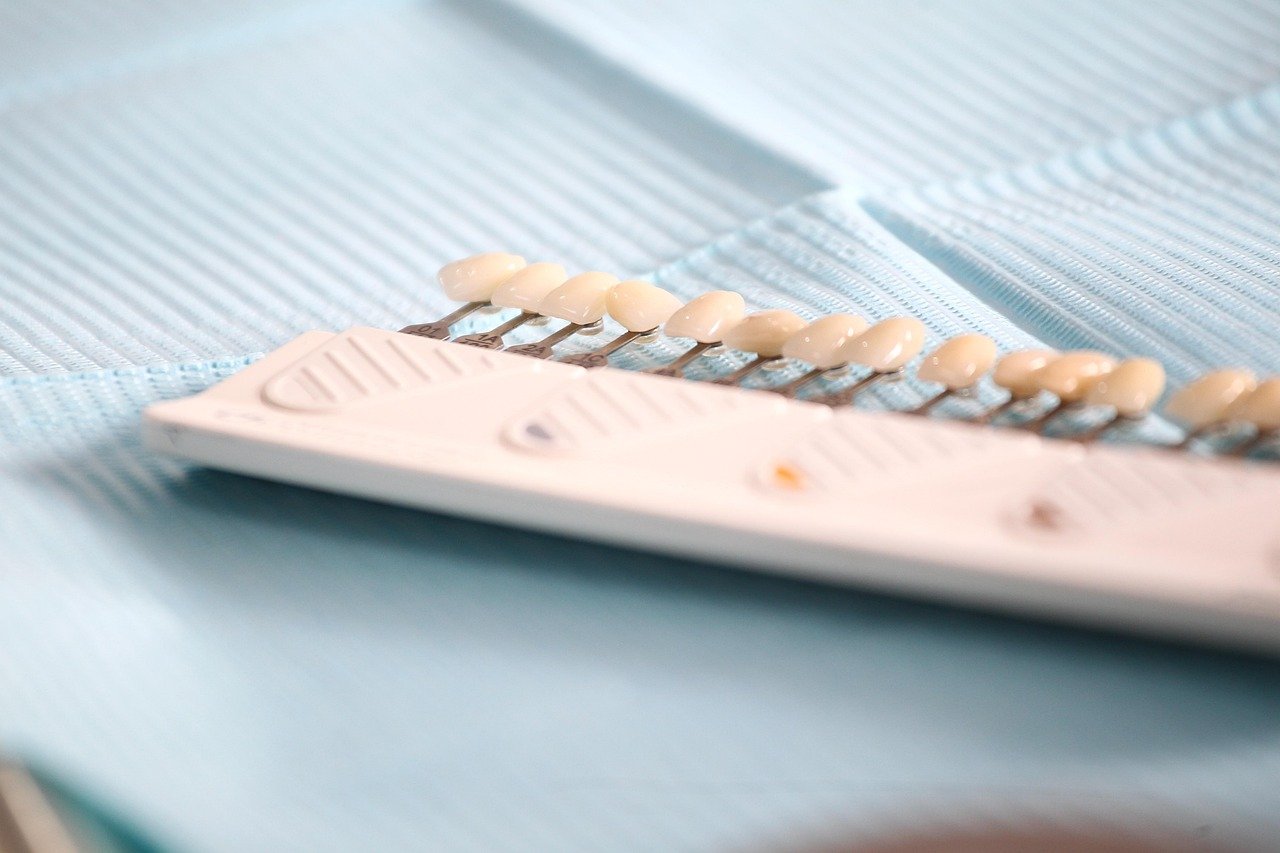
- Aging: As we age, the outer enamel layer of our teeth thins, revealing the underlying dentin, which is naturally yellow.
- Certain Medications: Some medications, such as tetracycline antibiotics, can cause intrinsic staining, meaning the discoloration originates from within the tooth structure.
- Genetics: Some people are simply predisposed to having teeth that are less white than others.
Types of Stains: Extrinsic vs. Intrinsic
It’s also important to differentiate between extrinsic and intrinsic stains:
- Extrinsic Stains: These stains are on the surface of the teeth and are typically caused by diet and lifestyle habits. Whitening toothpastes and over-the-counter whitening products are often effective for removing extrinsic stains.
- Intrinsic Stains: These stains are within the tooth structure and are often caused by medications, trauma, or developmental issues. Intrinsic stains are more difficult to remove and usually require professional whitening treatments.
Over-the-Counter Teeth Whitening Products
Whitening Toothpastes
Whitening toothpastes are widely available and contain abrasive ingredients that help remove surface stains. They also typically contain chemicals, such as hydrogen peroxide or carbamide peroxide, in low concentrations.
- Benefits:
- Easy to use and readily accessible.
- Can help maintain whiteness after professional treatments.
- Relatively inexpensive.
- Limitations:
- Less effective than other whitening methods for significant discoloration.
- Abrasive ingredients can potentially damage enamel if used excessively.
- Results are gradual and may take several weeks to become noticeable.
Practical Example: Look for whitening toothpastes that contain the ADA Seal of Acceptance, which indicates that the product has been evaluated for safety and efficacy.
Whitening Strips
Whitening strips are thin, flexible strips coated with a peroxide-based whitening gel. They are applied to the teeth for a specified amount of time each day.
- Benefits:
- More effective than whitening toothpastes.
- Relatively affordable and easy to use at home.
- Can provide noticeable results in a few weeks.
- Limitations:
- May cause tooth sensitivity or gum irritation.
- The strips may not fit all teeth perfectly, leading to uneven whitening.
- Results are not as dramatic as professional treatments.
Practical Example: Start with a lower concentration of peroxide if you have sensitive teeth. Follow the instructions carefully and avoid leaving the strips on for longer than recommended.
Whitening Trays
Over-the-counter whitening trays come pre-filled with a whitening gel or require you to fill them yourself. They are designed to be worn for a specified period each day.
- Benefits:
- More effective than whitening strips.
- Can provide more even coverage than strips.
- Typically more affordable than professional trays.
- Limitations:
- May cause tooth sensitivity or gum irritation.
- The trays may not fit perfectly, leading to leakage of the whitening gel.
- Results are not as dramatic as professional treatments.
Practical Example: Look for trays that are moldable for a better fit. Be sure to follow the instructions carefully to avoid overuse of the whitening gel.
Professional Teeth Whitening Treatments
In-Office Whitening
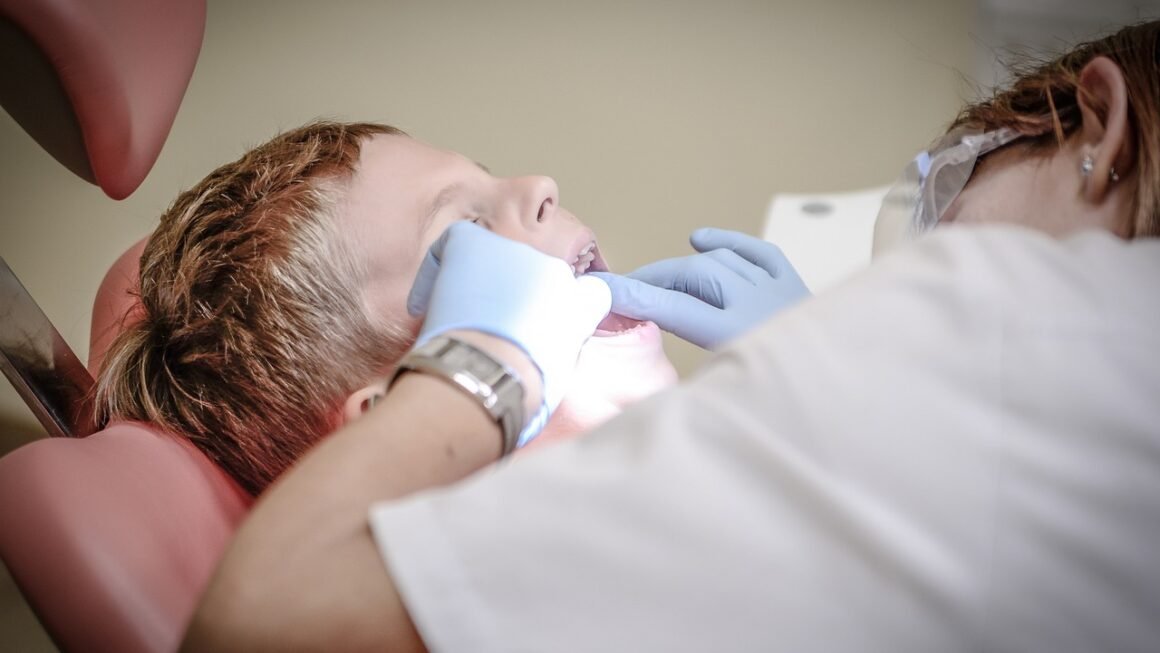
In-office teeth whitening is performed by a dentist and involves the application of a high-concentration whitening gel, often activated by a special light or laser. This method provides the most dramatic and fastest results.
- Benefits:
- Provides the most noticeable and rapid results.
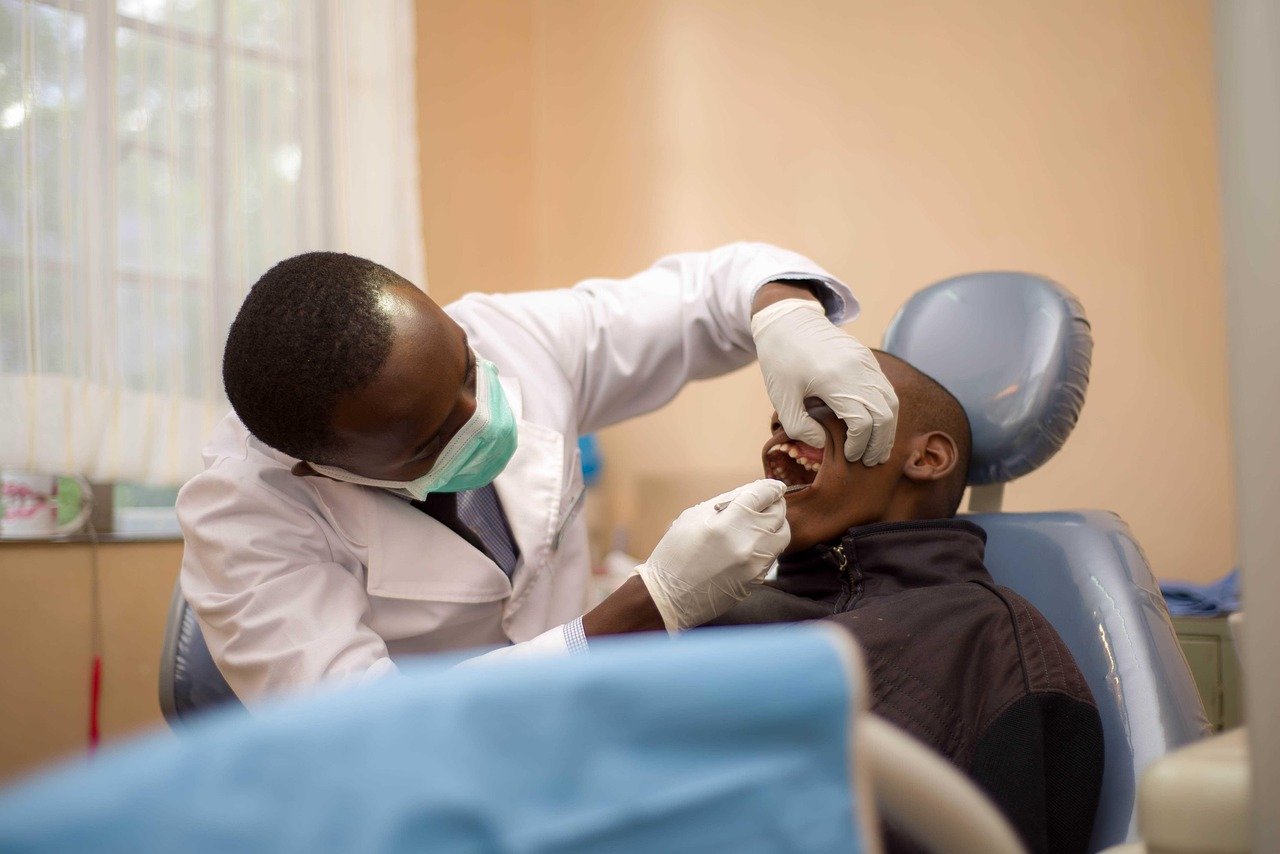
- Dentist supervision ensures safety and minimizes sensitivity.
- Can address more severe discoloration.
- Limitations:
- More expensive than over-the-counter options.
- May cause temporary tooth sensitivity.
- Requires a visit to the dentist’s office.
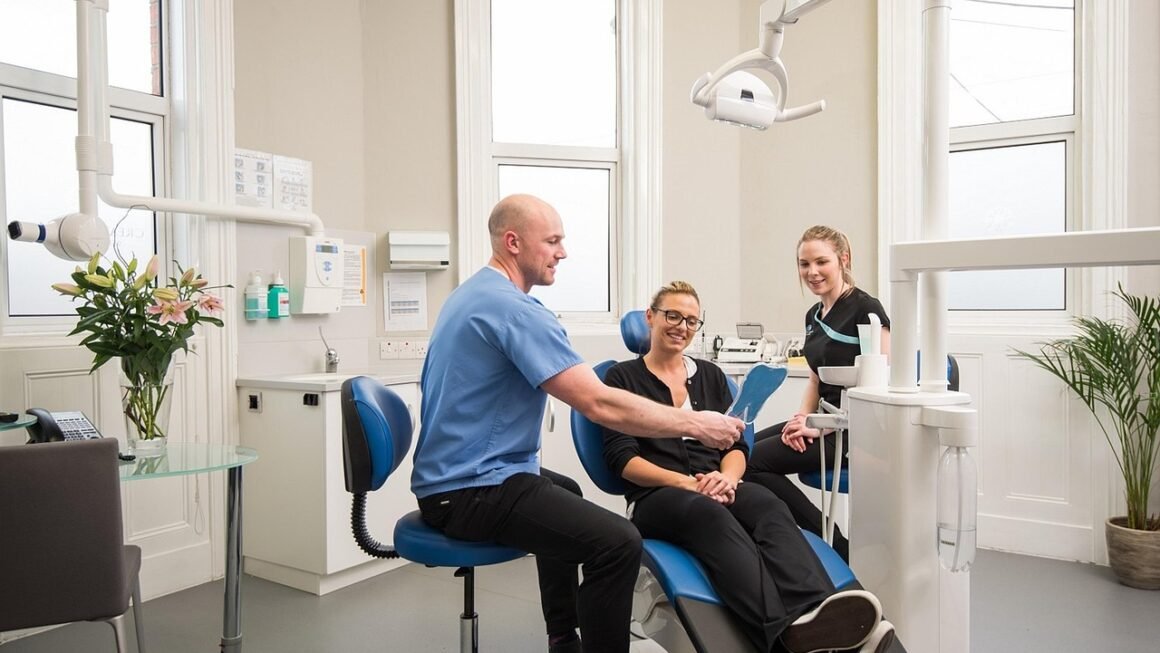
Practical Example: Discuss your expectations and any concerns you have with your dentist before the treatment. They can assess your teeth and gums to determine if you are a good candidate and recommend the most appropriate whitening method.
Take-Home Whitening Kits (Prescription)
Dentists can also provide custom-fitted trays and a prescription-strength whitening gel for you to use at home. This method offers a balance between convenience and effectiveness.
- Benefits:
- Custom-fitted trays ensure optimal contact and even whitening.
- Higher concentration of whitening gel than over-the-counter options.
- Supervised by a dentist, reducing the risk of complications.
- Limitations:
- More expensive than over-the-counter options.
- Requires a visit to the dentist’s office.
- May still cause tooth sensitivity.
Practical Example: Follow your dentist’s instructions carefully regarding the amount of gel to use and the duration of each treatment. Contact your dentist if you experience any significant discomfort or sensitivity.
Maintaining Your Whitened Smile
Oral Hygiene Practices
Maintaining good oral hygiene is essential for preserving your whitened smile, regardless of the whitening method you choose.
- Brush your teeth at least twice a day with a fluoride toothpaste.
- Floss daily to remove plaque and food particles from between your teeth.
- Use a whitening toothpaste to help remove surface stains.
Dietary Considerations
Be mindful of the foods and beverages you consume, as they can contribute to staining.
- Limit your intake of stain-causing substances such as coffee, tea, red wine, and dark-colored foods.
- Rinse your mouth with water after consuming stain-causing substances.
- Consider using a straw when drinking beverages that can stain your teeth.
Regular Dental Checkups
Regular dental checkups and professional cleanings are crucial for maintaining a healthy and bright smile.
- Visit your dentist every six months for a checkup and cleaning.
- Consider professional teeth whitening touch-ups as needed to maintain your desired level of whiteness.
Conclusion
Choosing the right teeth whitening product depends on your individual needs, budget, and desired results. Over-the-counter options are convenient and affordable for addressing mild surface stains, while professional treatments offer more dramatic and faster results for stubborn discoloration. Regardless of the method you choose, remember to follow the instructions carefully and consult with your dentist to ensure safety and effectiveness. Maintaining good oral hygiene practices and being mindful of your diet are also essential for preserving your whitened smile and enjoying a confident, radiant smile for years to come.