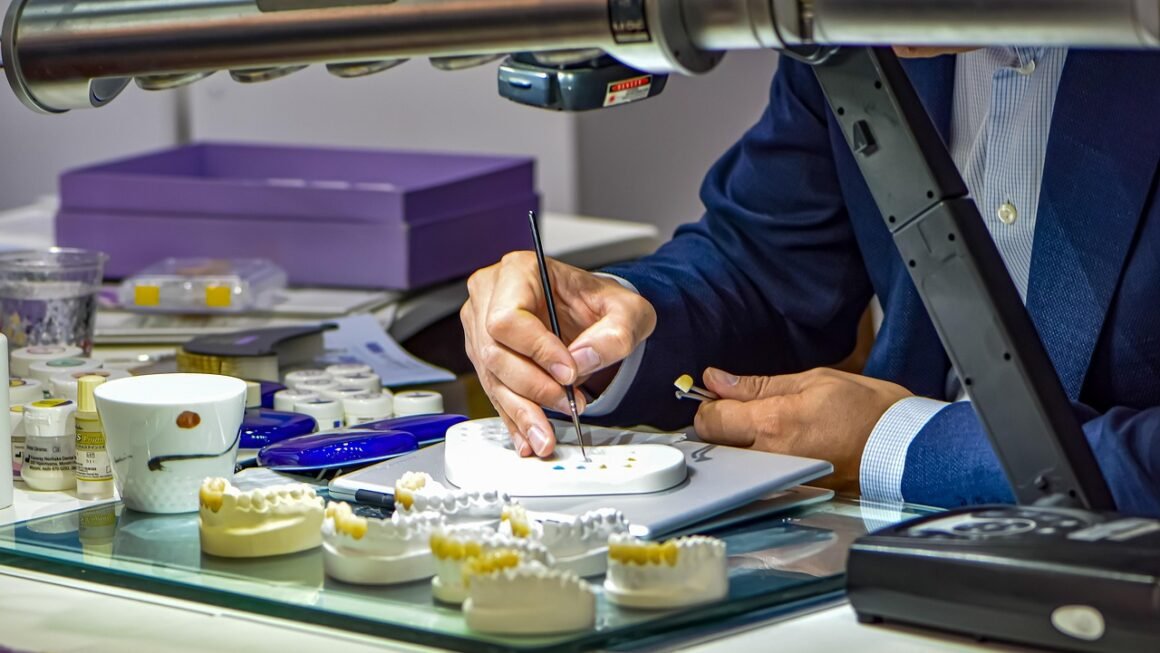
Whitening gels have become a staple in oral hygiene for those seeking a brighter, more confident smile. With a plethora of options available, understanding the science behind them, the various types, and how to use them effectively is crucial for achieving optimal results and maintaining healthy teeth. This guide will delve into the world of teeth whitening gels, offering a comprehensive look at their benefits, risks, and best practices.
Understanding Teeth Whitening Gels
What are Teeth Whitening Gels?
Teeth whitening gels are peroxide-based products designed to lighten tooth enamel. The active ingredients, usually hydrogen peroxide or carbamide peroxide, break down stains and discoloration on the teeth’s surface. These gels come in various concentrations and application methods, catering to different levels of staining and sensitivity.
How do They Work?
The process involves the peroxide molecules penetrating the enamel and dentin layers of the tooth. These molecules then react with the stained compounds, breaking them down into smaller, colorless molecules. This oxidation process effectively lightens the overall shade of the teeth. The concentration of peroxide determines the speed and extent of the whitening effect.
- Hydrogen Peroxide: Breaks down faster and delivers a more immediate whitening effect. Commonly used in professional settings.
- Carbamide Peroxide: Breaks down more slowly into hydrogen peroxide, providing a sustained whitening effect. Often used in at-home kits.
Types of Teeth Whitening Gels
The market offers a variety of teeth whitening gels, each with its own advantages and application methods.
- Over-the-Counter (OTC) Gels: These gels are available without a prescription and typically contain lower concentrations of peroxide (around 3-10% carbamide peroxide). They are often applied using strips, trays, or brushes.
- Prescription Gels: Dispensed by dentists, these gels have higher concentrations of peroxide (up to 40% carbamide peroxide or 10% hydrogen peroxide). They require custom-fitted trays for optimal contact and are monitored by a dental professional.
- In-Office Whitening Gels: Applied by a dentist during a professional whitening treatment. These gels contain the highest concentrations of peroxide and are often used in conjunction with light or laser activation for faster results.
Benefits of Using Whitening Gels
Improved Aesthetics and Confidence
The most obvious benefit is a brighter, whiter smile. This can significantly boost self-esteem and confidence, leading to positive social and professional interactions. A study by the American Academy of Cosmetic Dentistry found that nearly all adults (99.7%) believe a smile is an important social asset.
Enhanced Oral Hygiene
Many whitening gels contain ingredients that promote oral health, such as fluoride, which strengthens enamel and helps prevent cavities. The act of using whitening gels can also encourage better overall oral hygiene habits, such as regular brushing and flossing.
Convenient and Affordable Options
With a wide range of OTC and prescription options, whitening gels offer a convenient and relatively affordable way to achieve a brighter smile compared to more invasive cosmetic procedures. At-home kits allow for whitening treatments in the comfort of your own home, fitting seamlessly into busy lifestyles.
- OTC Options: Cost-effective for mild to moderate staining.
- Professional Options: More effective for severe discoloration and offer faster results.
How to Use Whitening Gels Effectively
Preparation and Consultation
Before starting any whitening treatment, it’s essential to consult with a dentist. They can assess your oral health, identify the cause of staining, and recommend the most appropriate whitening method. Address any existing dental issues like cavities or gum disease before using whitening gels.
Application Techniques
The effectiveness of whitening gels depends heavily on proper application. Follow the instructions provided with the product carefully.
- Custom Trays: Ensure the trays fit snugly against your teeth to prevent gel leakage. Apply a thin, even layer of gel to the tray and avoid overloading it.
- Strips: Adhere the strips firmly to your teeth, ensuring they cover the entire front surface. Avoid contact with gums to minimize irritation.
- Brushes: Apply a thin layer of gel directly to the teeth, avoiding the gums.
Duration and Frequency
The recommended duration and frequency of use vary depending on the concentration of peroxide in the gel and the desired results. Over-the-counter gels typically require daily use for several weeks, while prescription gels may be used for shorter periods under a dentist’s supervision.
- Example: A 10% carbamide peroxide gel might be used for 30-60 minutes daily for 2 weeks.
- Example: A 22% carbamide peroxide gel might be used for 30 minutes daily for 1 week.
Potential Risks and Side Effects
Tooth Sensitivity
Tooth sensitivity is a common side effect of whitening treatments, particularly with higher concentrations of peroxide. This sensitivity is usually temporary and subsides after the treatment is completed. Using desensitizing toothpaste containing potassium nitrate can help alleviate discomfort.
Gum Irritation
Contact with gums can cause irritation, redness, and inflammation. This is more likely to occur if the whitening gel leaks out of the tray or strip. Ensure proper tray fit and apply gel sparingly to minimize gum contact.
Uneven Whitening
Uneven whitening can occur if the gel is not applied evenly or if there are existing dental restorations (e.g., fillings, crowns) that do not respond to whitening. Teeth with intrinsic stains (stains within the tooth structure) may also be resistant to whitening gels.
Enamel Damage
While rare, overuse of high-concentration whitening gels can potentially damage tooth enamel. Follow the instructions carefully and avoid prolonged or excessive use.
Maintaining Your Whitened Smile
Oral Hygiene Practices
Maintain excellent oral hygiene practices, including regular brushing (twice daily) and flossing, to prevent new stains from forming. Use a soft-bristled toothbrush and fluoride toothpaste.
Dietary Considerations
Limit consumption of staining foods and beverages, such as coffee, tea, red wine, and dark-colored sodas. If you do consume these items, rinse your mouth with water afterward to minimize staining.
Touch-Up Treatments
Consider periodic touch-up treatments to maintain your whitened smile. This can involve using whitening gels for a few days every few months or as recommended by your dentist.
Conclusion
Teeth whitening gels offer a convenient and effective way to achieve a brighter, more confident smile. By understanding the different types of gels, proper application techniques, and potential risks, you can maximize the benefits of whitening treatments while minimizing side effects. Always consult with a dentist before starting any whitening regimen to ensure optimal results and maintain healthy teeth. Embracing a whiter smile is within reach, but responsible and informed use is key.