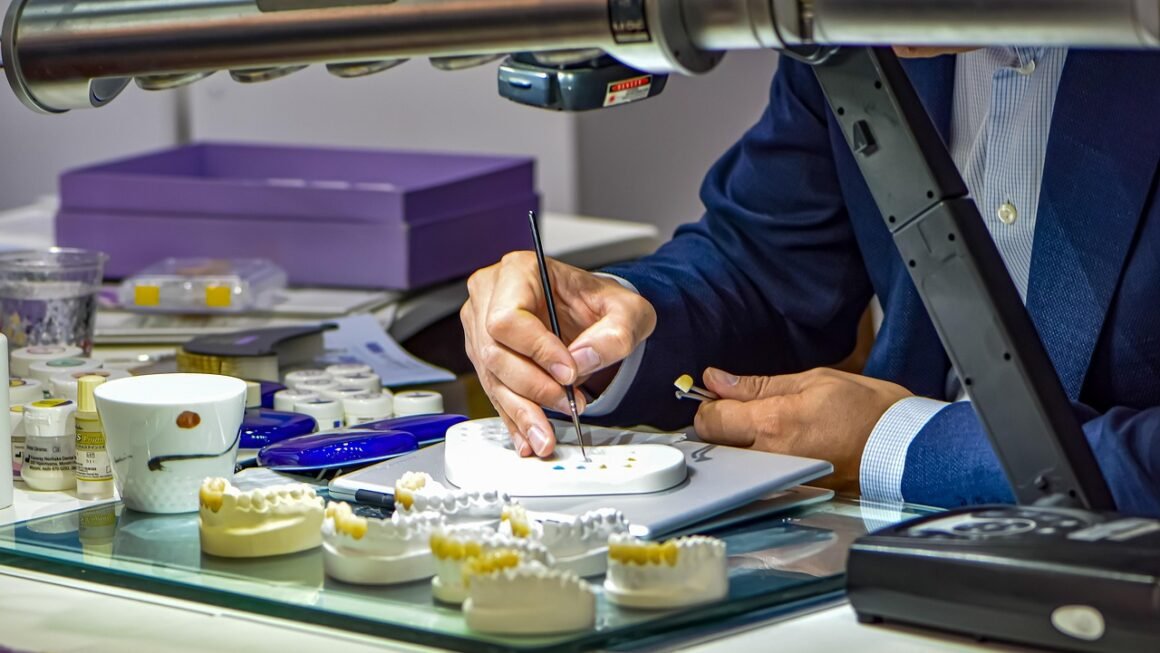
A dazzling smile is often associated with confidence and good health, and it’s no surprise that dental whitening treatments are one of the most popular cosmetic dental procedures. Whether you’re prepping for a special occasion or simply want to rejuvenate your appearance, understanding the different dental whitening systems available can help you make an informed decision. This comprehensive guide explores the various options, benefits, and considerations to help you achieve a brighter, whiter smile.
Understanding Dental Whitening Systems
Dental whitening, also known as teeth bleaching, is a process that lightens the color of your teeth. The effectiveness of different whitening systems depends on factors like the type of staining, the concentration of the whitening agent, and the application method.
Types of Tooth Stains
It’s important to identify the type of tooth stain before selecting a whitening system. Stains can be categorized as:
- Extrinsic stains: These stains appear on the surface of the teeth and are usually caused by food, drinks (coffee, tea, red wine), and tobacco.
- Intrinsic stains: These stains occur within the tooth structure and can be caused by factors like certain medications (tetracycline), excessive fluoride exposure during tooth development (fluorosis), or trauma.
- Age-related stains: Over time, the outer layer of enamel thins, allowing the underlying dentin (which is naturally yellow) to show through.
Active Ingredients in Whitening Products
Most dental whitening products contain either hydrogen peroxide or carbamide peroxide. Carbamide peroxide breaks down into hydrogen peroxide, which is the actual whitening agent.
- Hydrogen peroxide: This is a stronger whitening agent that typically yields faster results, but may cause increased sensitivity.
- Carbamide peroxide: This agent releases hydrogen peroxide more slowly, making it a milder option that might be better for individuals with sensitive teeth.
Professional In-Office Whitening
Professional in-office whitening, performed by a dentist, offers the most dramatic and immediate results.
The Procedure
During an in-office whitening procedure:
- Example: The Zoom! whitening system is a popular in-office option that uses a light-activated hydrogen peroxide gel for rapid and noticeable results.
Benefits of In-Office Whitening
- Faster Results: Achieve significant whitening in just one or two appointments.
- Supervised Treatment: Dentist supervision ensures safety and minimizes the risk of sensitivity.
- Customized Approach: Dentists can adjust the treatment intensity based on your needs and sensitivity.
- Effective for Stubborn Stains: In-office treatments are often more effective for addressing intrinsic stains.
Potential Downsides
- Higher Cost: In-office whitening is generally more expensive than at-home options.
- Increased Sensitivity: High concentrations of hydrogen peroxide can sometimes lead to temporary tooth sensitivity.
At-Home Whitening Systems
At-home whitening systems offer a more gradual approach to teeth whitening, and are often more affordable than in-office treatments.
Custom Tray Whitening
This method involves your dentist creating custom-fitted trays that hold a whitening gel.
- Example: Many dentists prescribe custom tray whitening with carbamide peroxide gels in varying concentrations (e.g., 10%, 15%, or 20%) depending on the patient’s sensitivity and desired results.
Over-the-Counter (OTC) Whitening Products
OTC whitening products are readily available at pharmacies and supermarkets. These include:
- Whitening Strips: Thin, flexible strips coated with a whitening gel. They are applied to the teeth and worn for a specified period.
- Whitening Toothpaste: These toothpastes contain mild abrasives and chemicals to help remove surface stains. They are not as effective as professional whitening treatments but can help maintain a brighter smile.
- Whitening Gels: Applied directly to the teeth with a brush or pen.
- Whitening Mouthwash: Rinse your mouth with a whitening mouthwash to help eliminate surface stains.
Benefits of At-Home Whitening
- More Affordable: At-home options are generally less expensive than in-office treatments.
- Convenience: You can whiten your teeth in the comfort of your own home.
- Gradual Whitening: At-home systems allow for a more controlled and gradual whitening process.
Potential Downsides
- Slower Results: At-home treatments take longer to produce noticeable results.
- Less Effective for Severe Stains: OTC products may not be strong enough to address intrinsic or severe stains.
- Potential for Uneven Whitening: Ill-fitting trays or strips can lead to uneven whitening.
Maintaining Your Whitened Smile
After achieving your desired level of whitening, it’s important to maintain your results.
Tips for Maintaining a White Smile
- Good Oral Hygiene: Brush and floss regularly to remove plaque and prevent staining.
- Limit Stain-Causing Foods and Drinks: Reduce your consumption of coffee, tea, red wine, and dark-colored foods.
- Rinse After Consuming Stain-Causing Substances: Rinse your mouth with water after consuming stain-causing foods or drinks.
- Use Whitening Toothpaste: Use a whitening toothpaste a few times a week to help remove surface stains.
- Touch-Up Treatments: Consider occasional touch-up treatments with at-home whitening products or in-office procedures to maintain your results.
- Professional Cleanings: Regular dental cleanings help remove plaque and tartar, which can contribute to staining.
Addressing Sensitivity
Tooth sensitivity is a common side effect of teeth whitening.
- Use Sensitive Toothpaste: Toothpaste formulated for sensitive teeth can help block pain signals.
- Fluoride Treatments: Fluoride treatments can help strengthen enamel and reduce sensitivity.
- Shorter Treatment Times: Reduce the duration of whitening treatments to minimize sensitivity.
- Lower Concentration Whitening Gels: Use whitening gels with a lower concentration of hydrogen peroxide or carbamide peroxide.
Factors to Consider Before Whitening
Before undergoing any dental whitening treatment, consider the following factors:
Consult with Your Dentist
It’s crucial to consult with your dentist before starting any whitening treatment. They can:
- Assess your oral health and determine if you’re a good candidate for whitening.
- Identify the cause of your tooth staining.
- Recommend the most appropriate whitening system for your needs.
- Provide guidance on how to minimize sensitivity and achieve optimal results.
Tooth Sensitivity and Existing Dental Work
- Tooth Sensitivity: Individuals with sensitive teeth may experience increased discomfort during and after whitening.
- Dental Work: Whitening agents do not affect the color of fillings, crowns, or veneers. You may need to replace these restorations after whitening to match your new tooth shade.
Realistic Expectations
Understand that teeth whitening results vary from person to person. While most people experience a noticeable improvement, some may not achieve the dramatic results they desire. Genetics, the severity of staining, and the type of whitening system used all play a role in the final outcome.
Conclusion
Choosing the right dental whitening system requires careful consideration of your individual needs, budget, and sensitivity levels. Whether you opt for professional in-office whitening or an at-home treatment, consulting with your dentist is the first step towards achieving a brighter, more confident smile. Remember to maintain good oral hygiene and follow your dentist’s recommendations to prolong the results and enjoy your dazzling smile for years to come.