Achieving a brighter, whiter smile is a common desire, boosting confidence and contributing to a more youthful appearance. With numerous dental whitening systems available, navigating the options can feel overwhelming. This guide breaks down the different types of teeth whitening treatments, helping you understand their pros, cons, and suitability for your individual needs, ensuring you make an informed decision for a dazzling smile.
Understanding Dental Whitening Systems
What Causes Tooth Discoloration?
Tooth discoloration can arise from various factors. Understanding the root cause is the first step in selecting the most effective whitening method. Common culprits include:
- Food and Drinks: Coffee, tea, red wine, and dark berries contain pigments that can stain enamel over time.
- Tobacco Use: Smoking or chewing tobacco significantly contributes to yellowing and browning of teeth.
- Poor Oral Hygiene: Inadequate brushing and flossing allow plaque and tartar to build up, leading to discoloration.
- Age: As we age, the enamel thins, revealing the underlying dentin, which is naturally more yellow.
- Certain Medications: Some medications, such as tetracycline antibiotics, can cause intrinsic staining (staining within the tooth structure).
- Trauma: Injury to a tooth can sometimes cause discoloration.
Types of Tooth Stains
Distinguishing between the types of stains is also crucial:
- Extrinsic Stains: These are stains on the surface of the enamel caused by external factors like food, drinks, and tobacco. They are generally easier to remove with whitening treatments.
- Intrinsic Stains: These are stains within the tooth structure, often caused by medications, trauma, or excessive fluoride exposure during tooth development. Intrinsic stains can be more challenging to address.
Professional Teeth Whitening
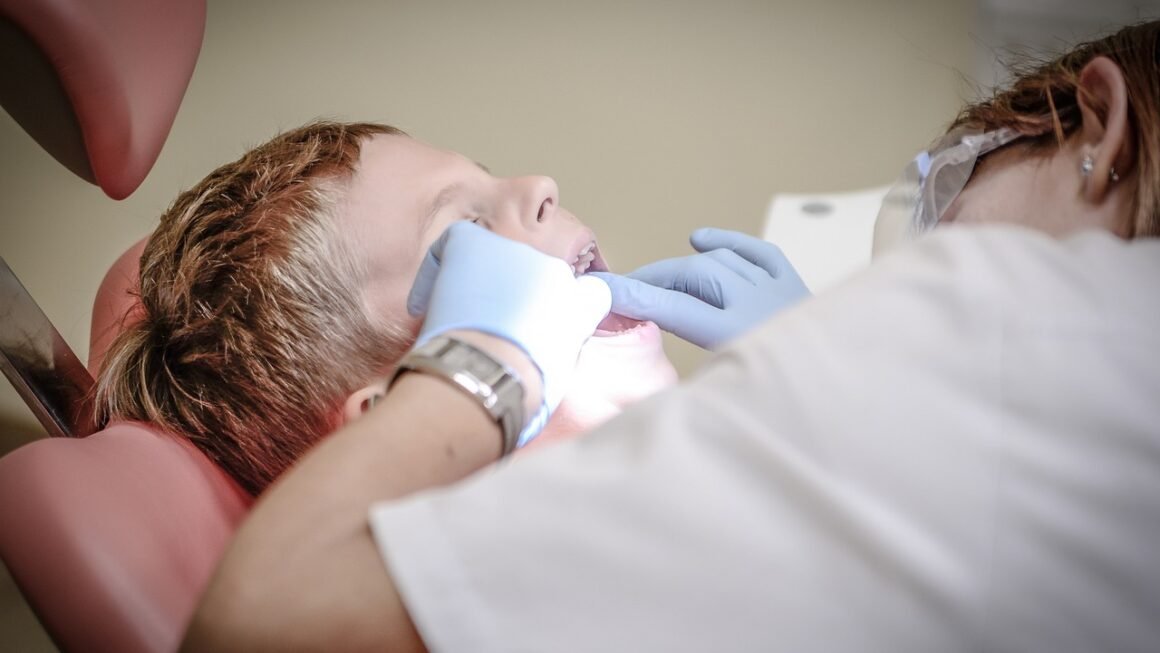
Professional teeth whitening, conducted under the supervision of a dentist, offers the most effective and safest way to achieve significant whitening results.
In-Office Whitening
- Procedure: In-office whitening involves applying a high-concentration whitening gel to the teeth, often activated by a special light or laser.
- Benefits:
Fast Results: Significant whitening can be achieved in just one or two appointments.
Controlled Environment: Dentists can monitor the process and adjust the treatment to minimize sensitivity.
Gum Protection: Professionals use protective barriers to shield the gums from the whitening gel.
- Example: A patient with moderate extrinsic staining from coffee consumption could see a dramatic improvement in just one in-office session.
- Cost: Generally more expensive than at-home options but delivers quicker and more predictable results.
Take-Home Whitening Kits (Prescription Strength)
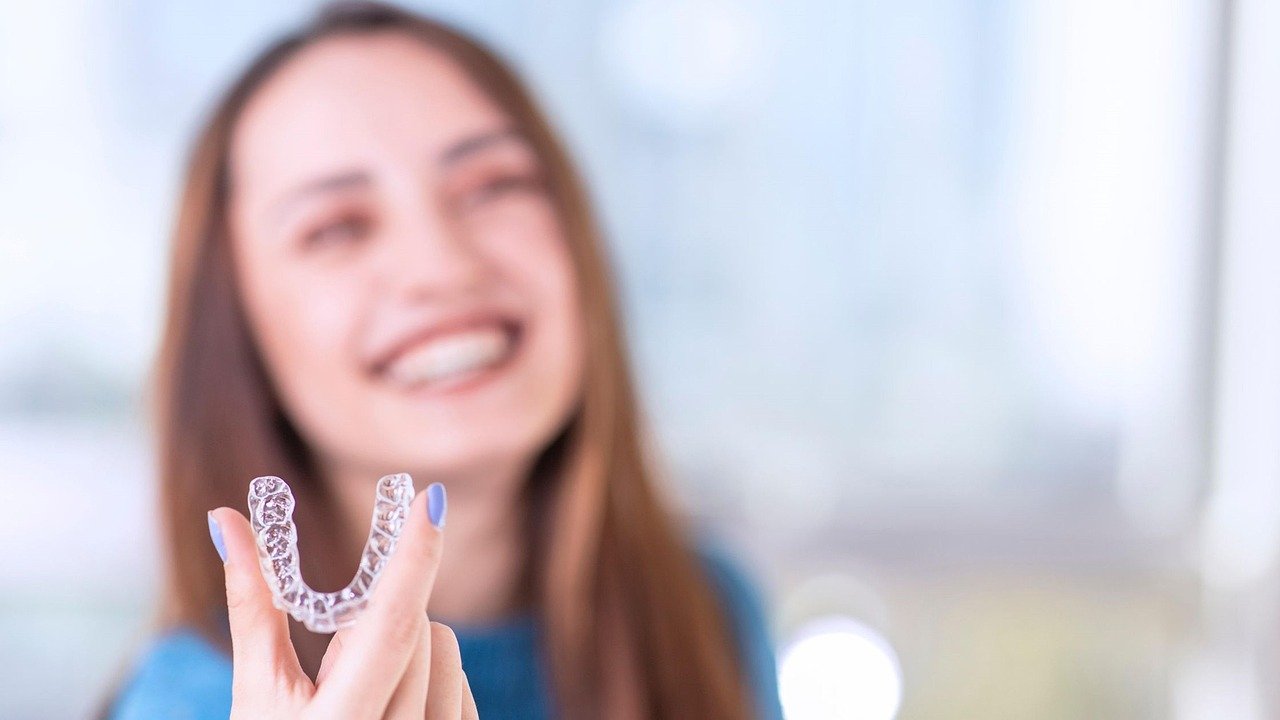
- Procedure: Your dentist creates custom-fitted trays that you fill with a prescription-strength whitening gel and wear for a specified amount of time each day.
- Benefits:
Customized Fit: Trays are made to fit your teeth precisely, ensuring optimal contact with the whitening gel.
Gradual Whitening: Allows for more control over the whitening process and reduces the risk of sensitivity.
Convenience: Can be done in the comfort of your own home.
- Example: A patient with sensitive teeth can use a lower concentration gel for a longer period each day to achieve whitening with minimal discomfort.
- Cost: More affordable than in-office whitening while still providing professional-grade results.
Over-the-Counter (OTC) Whitening Products
OTC whitening products offer more accessible and affordable options for those seeking a brighter smile. However, they generally contain lower concentrations of whitening agents and may not be as effective as professional treatments.
Whitening Toothpastes
- Mechanism: Whitening toothpastes contain abrasives and polishing agents that help remove surface stains.
- Benefits:
Affordable: Generally inexpensive and readily available.
Easy to Use: Simply replace your regular toothpaste with a whitening toothpaste.
Maintenance: Good for maintaining whiteness after professional treatments.
- Limitations: Primarily effective for removing surface stains and may not significantly alter the underlying tooth color.
- Example: Using a whitening toothpaste after drinking coffee can help prevent stain buildup.
- Important Note: Look for toothpastes with the ADA Seal of Acceptance for safety and efficacy.
Whitening Strips
- Procedure: Thin, flexible strips coated with a whitening gel are applied to the teeth for a specified period each day.
- Benefits:
Convenient: Easy to use and can be applied discreetly.
Affordable: Less expensive than professional whitening treatments.
Visible Results: Can provide noticeable whitening within a few weeks.
- Limitations:
Uneven Coverage: Strips may not conform perfectly to all tooth surfaces, leading to uneven whitening.
Sensitivity: Some users may experience tooth sensitivity or gum irritation.
- Example: An individual preparing for a special event might use whitening strips to brighten their smile quickly.
Whitening Mouthwashes
- Mechanism: These mouthwashes contain hydrogen peroxide or carbamide peroxide, which help to whiten teeth over time.
- Benefits:
Easy to incorporate: Simple to add to your daily oral hygiene routine.
Freshens breath: Provides additional breath-freshening benefits.
- Limitations:
Slower results: Typically takes longer to see noticeable whitening compared to other methods.
Less effective: Not as potent as strips or professional treatments.
Maintaining Your White Smile
After achieving your desired level of whiteness, maintaining your results is essential.
Good Oral Hygiene Practices
- Brushing: Brush your teeth at least twice a day with fluoride toothpaste.
- Flossing: Floss daily to remove plaque and food particles from between teeth.
- Regular Dental Checkups: Schedule regular dental cleanings and checkups to remove plaque and tartar and monitor your oral health.
Dietary Considerations
- Limit Stain-Causing Foods and Drinks: Reduce your consumption of coffee, tea, red wine, and other staining substances.
- Rinse After Consumption: Rinse your mouth with water after consuming staining foods or drinks to help minimize contact with your teeth.
Touch-Up Treatments
- Take-Home Trays: Use your custom-fitted trays periodically for touch-up treatments to maintain your whiteness.
- Whitening Pens: Convenient for on-the-go touch-ups to address minor stains.
- Professional Maintenance: Schedule occasional professional whitening treatments to maintain optimal results.
Conclusion
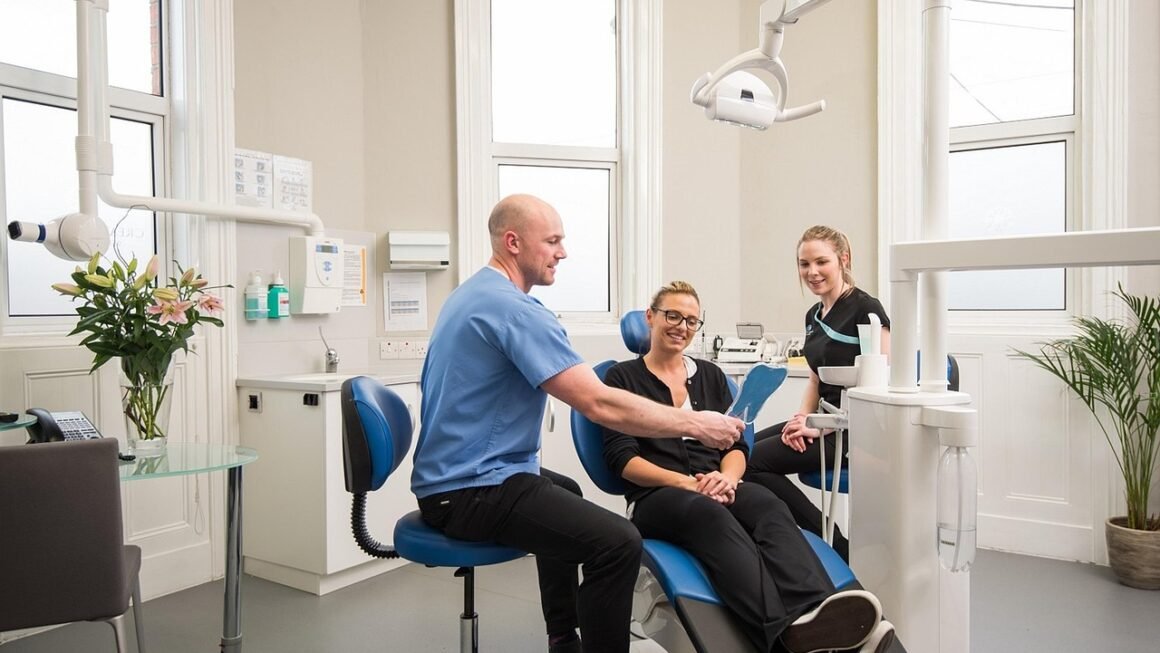
Choosing the right dental whitening system depends on your individual needs, budget, and desired results. Consulting with your dentist is crucial to determine the most suitable option and ensure the safety and effectiveness of the treatment. Whether you opt for professional in-office whitening, prescription take-home kits, or over-the-counter products, maintaining good oral hygiene and avoiding staining substances are essential for a long-lasting, radiant smile. Remember to prioritize your oral health and consult with your dentist before starting any whitening regimen.