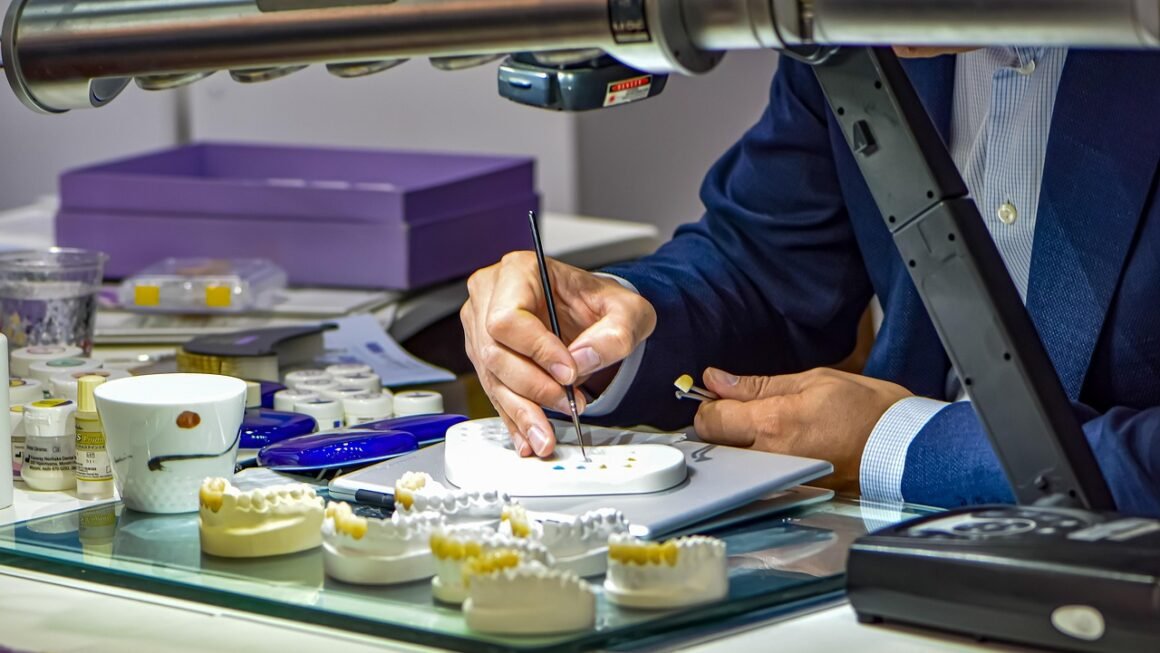
Is your smile as bright as you want it to be? Discoloration and staining are common, making teeth whitening a popular choice for those seeking a confidence boost. From over-the-counter options to professional treatments, there’s a teeth whitening solution for almost everyone. Understanding the different methods available will help you make an informed decision and achieve a dazzling smile you’ll love. This guide explores various teeth whitening options, providing details to help you choose the best approach for your needs and budget.
Understanding Teeth Whitening
What Causes Teeth Discoloration?
Before diving into teeth whitening options, it’s essential to understand the reasons behind teeth discoloration. Several factors contribute to staining and yellowing:
- Food and Beverages: Coffee, tea, red wine, and dark-colored foods can stain teeth over time.
- Tobacco Use: Smoking or chewing tobacco significantly contributes to tooth discoloration.
- Poor Oral Hygiene: Inadequate brushing and flossing can lead to plaque and tartar buildup, causing staining.
- Aging: As we age, the outer enamel layer thins, revealing the yellowish dentin underneath.
- Medications: Certain medications, such as tetracycline, can cause intrinsic staining.
- Genetics: Some people are genetically predisposed to having teeth that are more prone to discoloration.
Types of Teeth Stains
There are two main types of tooth stains, which determine the effectiveness of different whitening treatments:
- Extrinsic Stains: These are surface stains caused by external factors like food, drinks, and tobacco. Extrinsic stains are generally easier to remove with over-the-counter whitening products or professional cleanings.
- Intrinsic Stains: These stains are within the tooth structure and are often caused by medications, trauma, or excessive fluoride exposure during tooth development. Intrinsic stains are more difficult to remove and typically require professional whitening treatments.
Over-the-Counter Teeth Whitening Products
Whitening Toothpastes
Whitening toothpastes contain mild abrasives and chemicals that help remove surface stains. They can slightly brighten your teeth but are not as effective as other whitening methods.
- Benefits: Affordable, readily available, and easy to use.
- Limitations: Primarily target surface stains and provide minimal whitening.
- Example: Look for toothpastes with the ADA Seal of Acceptance, indicating they’ve been tested for safety and effectiveness.
Actionable Takeaway: Incorporate a whitening toothpaste into your daily oral hygiene routine for gradual surface stain removal. Brush thoroughly for at least two minutes, twice a day.
Whitening Strips
Whitening strips are thin, flexible strips coated with a peroxide-based gel. They are applied to the teeth for a specified amount of time, typically 30 minutes, once or twice a day for several weeks.
- Benefits: More effective than whitening toothpastes, relatively affordable, and convenient to use.
- Limitations: May cause tooth sensitivity or gum irritation. Results vary depending on the strength of the peroxide gel and the duration of use.
- Example: Crest 3D White Whitestrips are a popular and widely available option. Follow the instructions carefully and avoid leaving the strips on for longer than recommended.
Actionable Takeaway: Consider whitening strips for a noticeable but gradual whitening effect. Start with a shorter duration and monitor for sensitivity.
Whitening Trays
Over-the-counter whitening trays come with pre-filled trays or trays you fill yourself with a whitening gel. While they can be more effective than whitening strips, the fit is often less precise, which can lead to uneven whitening and gum irritation.
- Benefits: Can be more effective than strips, reusable trays.
- Limitations: Ill-fitting trays can cause gel leakage and gum irritation.
- Example: Many drugstores offer over-the-counter whitening tray kits with pre-filled or fillable trays.
Actionable Takeaway: Choose a kit with moldable trays for a better fit, or consider professional custom trays for optimal results.
Professional Teeth Whitening Treatments
In-Office Whitening
In-office teeth whitening, also known as chairside whitening, is performed by a dentist or dental hygienist. It involves applying a high-concentration hydrogen peroxide gel to the teeth, often activated by a special light or laser. This method provides the most dramatic and fastest results.
- Benefits: Immediate and significant whitening, professionally supervised, protects gums and soft tissues.
- Limitations: Most expensive option, may cause temporary tooth sensitivity.
- Example: Zoom! Whitening is a popular in-office whitening system that can lighten teeth several shades in a single visit.
Actionable Takeaway: If you want rapid and significant whitening, consult with your dentist about in-office whitening options. Expect to pay more but achieve faster results.
Custom Take-Home Whitening Trays (Professional)
Your dentist can create custom-fitted whitening trays based on impressions of your teeth. You’ll receive a professional-strength whitening gel to use at home with these trays. This method offers a balance between effectiveness and convenience.
- Benefits: Custom fit ensures even whitening and reduces gum irritation, professional-strength gel for better results, can be used at your convenience.
- Limitations: Requires multiple visits to the dentist, may cause temporary tooth sensitivity.
- Example: Your dentist will take impressions of your teeth and create custom trays that fit perfectly. You’ll then apply the whitening gel to the trays and wear them for a specified amount of time each day.
Actionable Takeaway: Consider custom take-home trays for a comfortable and effective whitening experience under professional guidance. Follow your dentist’s instructions carefully.
Maintaining Your Whitened Smile
Post-Whitening Care
After whitening your teeth, it’s crucial to maintain your results by practicing good oral hygiene and avoiding staining substances. Here are some tips:
- Brush and Floss Regularly: Maintain a consistent oral hygiene routine to remove plaque and prevent staining.
- Avoid Staining Foods and Drinks: Limit your consumption of coffee, tea, red wine, and dark-colored foods.
- Use a Straw: When drinking staining beverages, use a straw to minimize contact with your teeth.
- Rinse Your Mouth: After consuming staining foods or drinks, rinse your mouth with water.
- Touch-Up Treatments: Use over-the-counter whitening products or schedule periodic professional touch-up treatments to maintain your bright smile.
Actionable Takeaway: Commit to consistent oral hygiene and lifestyle choices that minimize staining to prolong the effects of your whitening treatment.
Managing Tooth Sensitivity
Tooth sensitivity is a common side effect of teeth whitening. Here are some ways to manage it:
- Use Desensitizing Toothpaste: Toothpastes containing potassium nitrate or fluoride can help reduce tooth sensitivity.
- Fluoride Treatments: Your dentist can apply fluoride varnish or provide a fluoride rinse to strengthen your enamel and reduce sensitivity.
- Shorten Whitening Sessions: Reduce the duration or frequency of whitening treatments if you experience sensitivity.
- Take Breaks: Give your teeth a break between whitening sessions to allow them to recover.
Actionable Takeaway: If you experience tooth sensitivity, use desensitizing toothpaste and consider shortening or spacing out your whitening treatments. Consult your dentist if sensitivity persists.
Conclusion
Choosing the right teeth whitening option depends on your individual needs, budget, and desired results. Over-the-counter products offer a convenient and affordable way to brighten your smile gradually, while professional treatments provide faster and more dramatic results. Whichever method you choose, maintaining good oral hygiene and avoiding staining substances are essential for preserving your newly whitened smile. Consult with your dentist to determine the best and safest option for you and to address any concerns about tooth sensitivity or other potential side effects. With the right approach, you can achieve a brighter, more confident smile that you’ll be proud to show off.