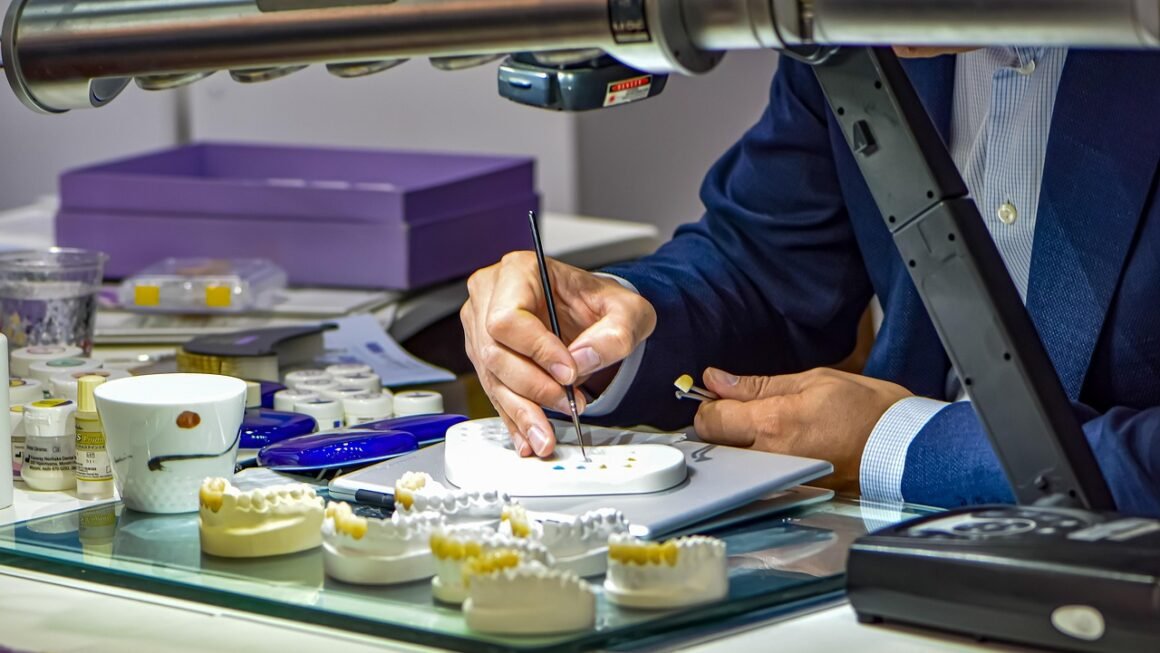
Want a brighter, more confident smile? You’re not alone. Teeth whitening is one of the most popular cosmetic dental procedures, and for good reason. A dazzling smile can significantly boost your self-esteem and make a positive impression. But with so many teeth whitening options available, from over-the-counter strips to professional dental treatments, it can be overwhelming to choose the right system for you. This comprehensive guide will explore everything you need to know about dental whitening systems, helping you make an informed decision and achieve the radiant smile you’ve always wanted.
Understanding Teeth Whitening
What Causes Tooth Discoloration?
Before diving into whitening options, it’s important to understand why teeth become discolored in the first place. Several factors contribute to staining:
- Extrinsic Stains: These are surface stains caused by external factors such as:
Food and drinks: Coffee, tea, red wine, and berries are notorious for staining teeth.
Tobacco use: Smoking or chewing tobacco can lead to significant discoloration.
Poor oral hygiene: Inadequate brushing and flossing allow plaque and stains to accumulate.
- Intrinsic Stains: These stains occur within the tooth structure and are more difficult to remove. Common causes include:
Aging: As we age, the enamel thins, revealing the yellower dentin underneath.
Medications: Certain medications, such as tetracycline antibiotics, can cause permanent staining.
Dental trauma: Injuries to the teeth can result in discoloration.
Fluorosis: Excessive fluoride intake during tooth development can lead to white spots or streaks.
How Whitening Systems Work
Most teeth whitening systems utilize hydrogen peroxide or carbamide peroxide as the active ingredient. These chemicals break down stains on the tooth surface through a process called oxidation.
- Hydrogen Peroxide: A stronger whitening agent that delivers faster results, often used in professional treatments.
- Carbamide Peroxide: A slower-releasing form of peroxide, commonly found in at-home whitening kits. It breaks down into hydrogen peroxide over time.
The concentration of peroxide determines the strength and effectiveness of the whitening treatment. Higher concentrations typically produce faster and more dramatic results but may also increase the risk of sensitivity.
Professional Teeth Whitening
In-Office Whitening
In-office teeth whitening, performed by a dentist, offers the most dramatic and immediate results. It involves the application of a high-concentration peroxide gel to the teeth, often activated by a special light or laser. This process typically takes one to two hours per session.
- Advantages:
Fast and noticeable results.
Dentist-supervised treatment ensures safety and minimizes sensitivity.
Customized treatment plan based on individual needs and desired results.
Gum protection is used to safeguard soft tissues from irritation.
- Disadvantages:
Higher cost compared to at-home options.
May require multiple sessions to achieve desired shade.
Potential for increased sensitivity.
Example: A dentist might use a 25-40% hydrogen peroxide gel for in-office whitening, combined with a light-activated system to accelerate the process. A typical session could lighten teeth by several shades in just one visit.
Take-Home Whitening Kits from Your Dentist
Dentists also offer custom-fitted take-home whitening trays. These kits include a lower concentration peroxide gel than in-office treatments and are used over a period of several days or weeks.
- Advantages:
Custom-fitted trays ensure even application and minimize gum irritation.
More convenient than in-office treatments, as you can whiten at home.
Cost-effective compared to in-office whitening.
- Disadvantages:
Slower results compared to in-office treatments.
Requires compliance with the treatment schedule.
Potential for sensitivity.
Example: A dentist might provide custom trays and a 10-22% carbamide peroxide gel. The patient would wear the trays for 30 minutes to a few hours each day, for one to two weeks.
Over-the-Counter (OTC) Whitening Products
Whitening Strips
Whitening strips are thin, flexible strips coated with a peroxide-based gel. They are applied directly to the teeth and worn for a specified period of time.
- Advantages:
Affordable and readily available.
Easy to use.
Can produce noticeable results with consistent use.
- Disadvantages:
Less effective than professional treatments.
May not fit teeth perfectly, leading to uneven whitening.
Potential for gum irritation and sensitivity.
Lower concentration of peroxide.
Example: Crest Whitestrips are a popular OTC option. They typically contain around 6-10% hydrogen peroxide and are worn for 30 minutes per day for several weeks.
Whitening Toothpastes and Mouthwashes
Whitening toothpastes and mouthwashes contain mild abrasives and chemicals that help remove surface stains. They are less effective at whitening teeth than other methods, but can help maintain a brighter smile after professional or OTC whitening treatments.
- Advantages:
Easy to incorporate into your daily oral hygiene routine.
Affordable.
Can help remove surface stains and prevent future discoloration.
- Disadvantages:
Limited whitening effect.
May not be suitable for individuals with sensitive teeth.
* Primarily remove surface stains, not deep-set discoloration.
Example: Whitening toothpastes often contain ingredients like hydrated silica or baking soda to gently polish the teeth and remove surface stains. Whitening mouthwashes may contain hydrogen peroxide in low concentrations.
Choosing the Right Whitening System
Factors to Consider
Selecting the best whitening system depends on your individual needs, budget, and desired results. Here are some factors to consider:
- Severity of Staining: Deep-set stains may require professional treatment.
- Budget: Professional treatments are more expensive than OTC options.
- Time Commitment: In-office treatments offer the fastest results, while at-home options require more time.
- Sensitivity: If you have sensitive teeth, choose a system with a lower concentration of peroxide and consider using a desensitizing toothpaste.
- Desired Shade: How much whiter do you want your teeth to be?
- Consultation with a Dentist: Discuss your options with your dentist to determine the most suitable treatment plan for your specific needs and oral health.
Tips for Maintaining Whitened Teeth
Once you’ve achieved your desired shade, it’s important to maintain your results. Here are some tips:
- Practice Good Oral Hygiene: Brush and floss regularly to remove plaque and prevent stains.
- Limit Stain-Causing Foods and Drinks: Reduce your consumption of coffee, tea, red wine, and other staining substances.
- Rinse Your Mouth After Eating or Drinking Stain-Causing Substances: Rinsing with water can help prevent stains from setting in.
- Use a Whitening Toothpaste: A whitening toothpaste can help maintain your brighter smile.
- Touch-Up Treatments: Consider using whitening strips or custom trays for occasional touch-up treatments.
- Regular Dental Check-ups: Visit your dentist for regular cleanings and check-ups to maintain your oral health and address any concerns.
Conclusion
Choosing the right dental whitening system involves understanding the causes of tooth discoloration, exploring available options, and considering individual needs and preferences. From professional in-office treatments to convenient over-the-counter products, there’s a whitening solution for everyone. Consulting with your dentist is crucial to ensure you choose a safe and effective method that delivers the radiant smile you desire. Remember, maintaining good oral hygiene and making informed lifestyle choices are essential for preserving your bright, confident smile for years to come.