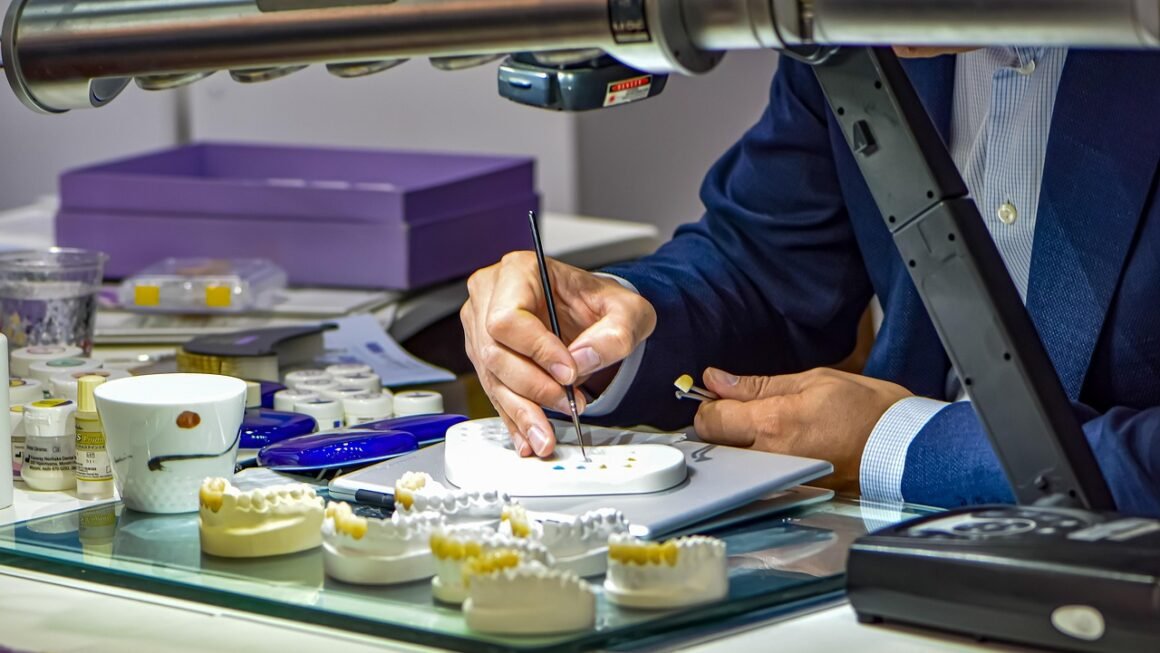
Achieving a brighter, whiter smile is a common desire, and thankfully, there are numerous teeth whitening options available to suit different needs and budgets. From professional treatments at your dentist’s office to convenient at-home solutions, understanding the choices can help you make an informed decision for a confident and radiant smile. Let’s explore the diverse landscape of teeth whitening, examining the pros, cons, and effectiveness of each method.
Professional Teeth Whitening: The Dentist’s Touch
Professional teeth whitening, performed by a qualified dentist, typically delivers the most dramatic and long-lasting results. These treatments utilize high concentrations of whitening agents under careful supervision to ensure safety and effectiveness.
In-Office Whitening
In-office whitening is the fastest way to achieve significant results. A strong whitening gel, often containing hydrogen peroxide or carbamide peroxide, is applied to the teeth.
- Procedure: The dentist protects your gums and soft tissues before applying the gel. A special light or laser may be used to activate the whitening agent, accelerating the process.
- Timeframe: Usually takes one to two hours per session.
- Results: Noticeable whitening within a single visit, often several shades brighter.
- Example: Philips Zoom! WhiteSpeed and Boost are popular in-office whitening systems.
- Cost: Generally ranges from $500 to $1000 per treatment.
- Actionable Takeaway: Consult your dentist to determine if in-office whitening is suitable for your teeth and gum health.
Custom-Fit Whitening Trays
Dentists can also provide custom-made whitening trays along with a professional-grade whitening gel for at-home use.
- Procedure: Your dentist takes impressions of your teeth to create custom trays that fit snugly. You receive specific instructions on how much gel to use and how long to wear the trays each day.
- Timeframe: Typically worn for 30 minutes to a few hours daily, for one to two weeks.
- Results: Gradual whitening over the treatment period.
- Example: Your dentist might provide Opalescence Go or a similar brand with custom-fit trays.
- Cost: Typically less expensive than in-office whitening, ranging from $300 to $600.
- Actionable Takeaway: Follow your dentist’s instructions precisely for optimal results and to minimize sensitivity.
Over-the-Counter (OTC) Teeth Whitening Products
OTC teeth whitening products offer more affordable and accessible options for brightening your smile at home. However, their whitening power is generally lower than professional treatments.
Whitening Strips
Whitening strips are thin, flexible strips coated with a peroxide-based whitening gel. They are applied directly to the teeth and worn for a specified period.
- Procedure: Simply apply the strips to your upper and lower teeth, following the package instructions for duration (usually 30 minutes) and frequency.
- Timeframe: Typically used daily for a week or two.
- Results: Gradual whitening, usually a few shades brighter.
- Example: Crest 3D White Whitestrips are a popular and readily available option.
- Cost: Relatively inexpensive, typically ranging from $20 to $50 per kit.
- Actionable Takeaway: Choose whitening strips with a higher percentage of hydrogen peroxide for better results, but be mindful of potential sensitivity.
Whitening Toothpastes
Whitening toothpastes contain mild abrasives and/or chemicals to help remove surface stains from teeth.
- Procedure: Use as your regular toothpaste, brushing for two minutes, twice daily.
- Timeframe: Continuous use is required to maintain results.
- Results: Primarily effective for removing surface stains and preventing new stains from forming. Not as effective for deep stains.
- Example: Crest 3D White and Colgate Optic White are widely available whitening toothpastes.
- Cost: Typically the same price as regular toothpaste, around $5 to $15 per tube.
- Actionable Takeaway: Look for whitening toothpastes with the ADA Seal of Acceptance to ensure safety and efficacy.
Whitening Mouthwashes
Whitening mouthwashes typically contain hydrogen peroxide to help whiten teeth.
- Procedure: Rinse with the mouthwash for a specified amount of time (usually 60 seconds), as directed on the packaging.
- Timeframe: Use daily, typically twice a day, for several weeks.
- Results: Gradual whitening, but generally less effective than whitening strips or toothpastes.
- Example: Crest 3D White Diamond Strong Mouthwash is a common option.
- Cost: Similar in price to regular mouthwash, around $5 to $15 per bottle.
- Actionable Takeaway: Whitening mouthwashes can complement other whitening methods, but they are not a standalone solution for significant whitening.
Natural Teeth Whitening Remedies
While not as potent as professional or OTC treatments, some natural remedies may help brighten your smile.
Baking Soda
Baking soda is a mild abrasive that can help remove surface stains from teeth.
- Procedure: Mix baking soda with water to form a paste and brush your teeth with it.
- Timeframe: Use sparingly, no more than a few times a week, as excessive use can damage enamel.
- Results: Can help remove surface stains and freshen breath.
- Caution: Do not use excessively, as it can be abrasive to tooth enamel.
- Actionable Takeaway: Use baking soda as an occasional stain remover, not as a primary teeth whitening method.
Oil Pulling
Oil pulling involves swishing oil (typically coconut oil) in your mouth for 15-20 minutes.
- Procedure: Swish a tablespoon of coconut oil in your mouth for 15-20 minutes, then spit it out and rinse your mouth thoroughly.
- Timeframe: Can be done daily.
- Results: Some believe it can help remove bacteria and toxins, potentially leading to a brighter smile. Scientific evidence is limited.
- Caution: Does not replace regular brushing and flossing.
- Actionable Takeaway: Consider oil pulling as a supplementary oral hygiene practice, but don’t expect dramatic whitening results.
Factors Affecting Teeth Whitening Results
Several factors influence the effectiveness and longevity of teeth whitening results:
- Type of Stain: Yellow stains generally respond better to whitening than gray stains.
- Enamel Thickness: Thicker enamel usually yields better results.
- Lifestyle Habits: Smoking, drinking coffee, tea, or red wine can stain teeth and diminish whitening results.
- Underlying Dental Conditions: Cavities, gum disease, and exposed roots can affect whitening outcomes and may require treatment before whitening.
- Age: Younger individuals often experience more noticeable whitening results than older individuals.
- Actionable Takeaway: Discuss your lifestyle habits and any underlying dental conditions with your dentist before starting any whitening treatment.
Maintaining Your White Smile
After achieving your desired level of whiteness, it’s important to maintain your results:
- Regular Brushing and Flossing: Brush twice daily with fluoride toothpaste and floss daily to remove plaque and prevent stain buildup.
- Limit Stain-Causing Foods and Beverages: Reduce consumption of coffee, tea, red wine, and dark-colored foods.
- Rinse Your Mouth After Eating or Drinking: Rinse with water after consuming stain-causing substances to minimize their contact with your teeth.
- Touch-Up Treatments: Use whitening toothpaste or strips periodically to maintain your results. Your dentist may also recommend occasional professional touch-up treatments.
- Professional Cleanings: Schedule regular dental cleanings to remove plaque and tartar buildup, which can contribute to staining.
- Actionable Takeaway: Adopt a consistent oral hygiene routine and make conscious choices about your diet and habits to prolong the effects of teeth whitening.
Conclusion
Choosing the right teeth whitening option depends on your individual needs, budget, and desired results. Consulting with your dentist is crucial to determine the best approach for your specific situation, ensuring safety and maximizing effectiveness. Whether you opt for professional treatment, over-the-counter products, or natural remedies, remember that maintaining good oral hygiene practices is essential for a bright, healthy smile that lasts.