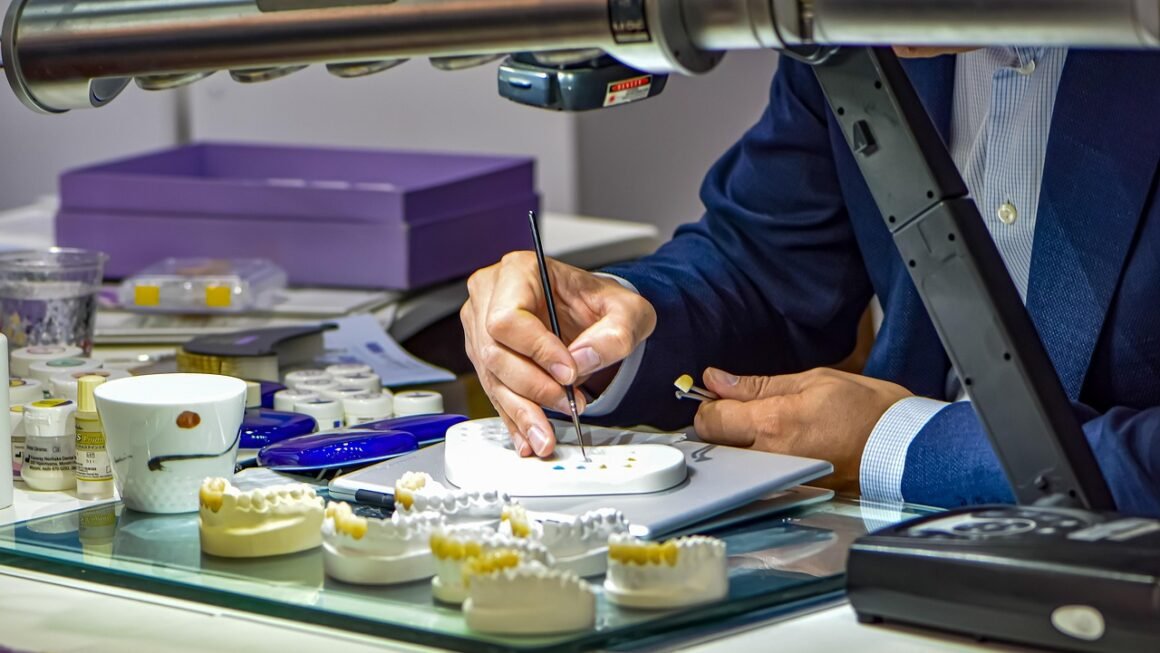
Achieving a brighter, whiter smile is a common aspiration. From over-the-counter solutions to professional treatments, the options for teeth whitening are vast and varied. Understanding the science behind whitening, the different methods available, and how to maintain your results is crucial for achieving a smile you can be proud of. This comprehensive guide explores the world of teeth whitening, providing you with the knowledge you need to make informed decisions and achieve optimal results.
Understanding Teeth Whitening
What Causes Teeth Discoloration?
Teeth discoloration can stem from various factors, both intrinsic (internal) and extrinsic (external):
- Extrinsic Stains: These stains affect the enamel surface and are often caused by:
Consuming dark-colored beverages like coffee, tea, and red wine.
Eating staining foods such as berries, soy sauce, and balsamic vinegar.
Smoking or chewing tobacco.
- Intrinsic Stains: These stains occur within the tooth structure and are more challenging to remove:
Aging, which naturally thins the enamel, revealing the yellower dentin beneath.
Certain medications, such as tetracycline antibiotics, taken during tooth development.
Dental trauma, which can damage the tooth and lead to discoloration.
Fluorosis (excessive fluoride intake during tooth formation), which can cause white or brown spots.
How Whitening Products Work
Most teeth whitening products utilize hydrogen peroxide or carbamide peroxide as the active ingredient. These compounds work by:
- Oxidation: The peroxide breaks down into water and oxygen. The oxygen molecules penetrate the enamel and break down the staining molecules into smaller, colorless particles.
- Concentration Matters: The concentration of peroxide in the whitening product determines its strength and effectiveness. Higher concentrations, typically found in professional treatments, can deliver faster and more dramatic results.
- Contact Time: The longer the whitening agent stays in contact with the teeth, the more effective it will be. This is why some treatments involve wearing trays for extended periods or multiple sessions.
Types of Teeth Whitening Treatments
Over-the-Counter Options
- Whitening Toothpastes: These toothpastes contain mild abrasives and chemicals that help remove surface stains. They are generally safe for daily use but offer limited whitening power.
Example: Look for toothpastes with the ADA Seal of Acceptance, indicating they are safe and effective.
- Whitening Strips: These strips are coated with a peroxide-based gel and are applied directly to the teeth. They are relatively inexpensive and convenient but may not cover all tooth surfaces evenly.
Example: Crest Whitestrips are a popular and readily available option. Follow the package instructions carefully.
- Whitening Gels and Trays: These kits include a mouth tray and a whitening gel. They offer more control over the whitening process than strips but require more time and effort.
Example: Some kits offer custom-fit trays for better gel coverage and results.
Professional Teeth Whitening
- In-Office Whitening: Performed by a dentist, this method uses high-concentration peroxide gels and often involves a special light or laser to accelerate the whitening process. It offers the fastest and most dramatic results.
* Example: Zoom! Whitening and Opalescence Boost are popular in-office whitening systems.
- Custom Take-Home Trays: Your dentist takes impressions of your teeth to create custom-fit trays. You then receive a supply of whitening gel and instructions on how to use the trays at home. This option offers a balance between cost and effectiveness.
Potential Side Effects and Risks
While teeth whitening is generally safe, it’s essential to be aware of potential side effects:
- Tooth Sensitivity: This is the most common side effect and usually temporary. Using a toothpaste for sensitive teeth can help alleviate discomfort.
- Gum Irritation: The whitening gel can irritate the gums if it comes into contact with them. Custom-fit trays and careful application can minimize this risk.
- Uneven Whitening: Existing fillings or crowns will not whiten, which can result in an uneven appearance.
- Enamel Damage: Overuse of whitening products, especially those with high peroxide concentrations, can weaken the enamel. Always follow product instructions and consult with your dentist.
Maintaining Your Whitened Smile
After achieving your desired shade, maintaining your results is crucial:
- Practice Good Oral Hygiene: Brush and floss regularly to remove plaque and prevent stain buildup.
- Limit Staining Foods and Beverages: Reduce consumption of coffee, tea, red wine, and other staining substances. Use a straw when drinking these beverages to minimize contact with your teeth.
- Touch-Up Treatments: Use whitening toothpastes or strips periodically to maintain your results. Consult with your dentist about professional touch-up treatments.
- Regular Dental Checkups: Visit your dentist for regular cleanings and checkups to ensure optimal oral health.
Conclusion
Achieving a whiter smile is within reach thanks to the numerous whitening options available. By understanding the causes of teeth discoloration, the different treatment methods, and the potential side effects, you can make informed decisions and choose the approach that best suits your needs and lifestyle. Remember to consult with your dentist to determine the most appropriate and safest whitening treatment for you and to develop a maintenance plan to keep your smile bright for years to come.