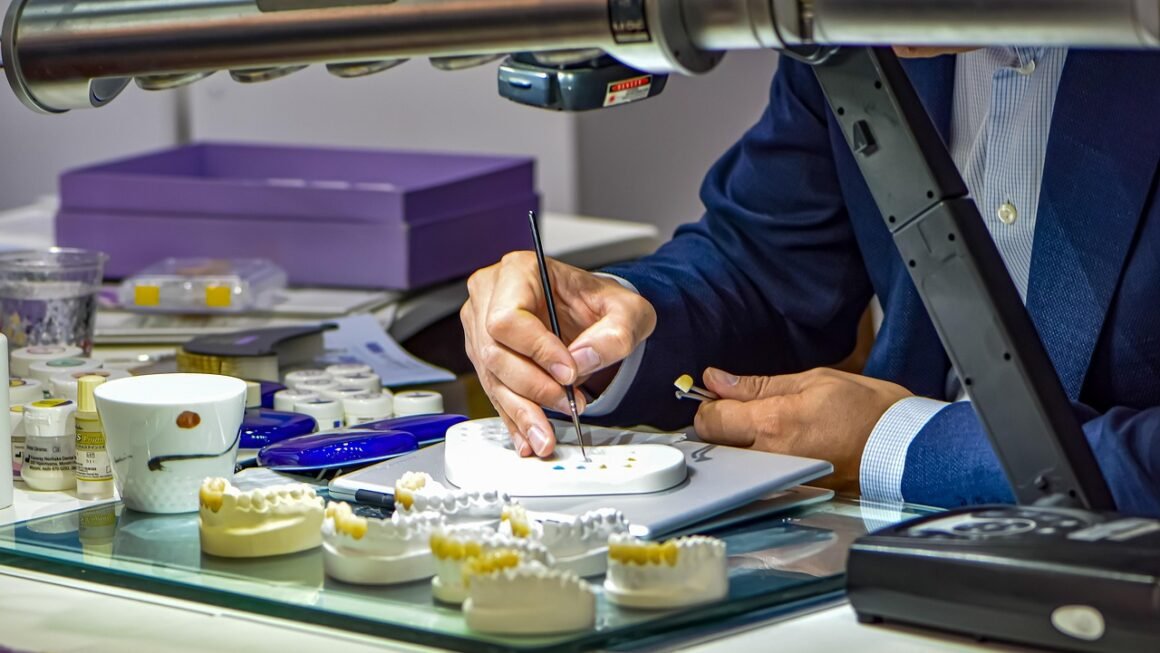
Professional teeth whitening offers a transformative solution for achieving a brighter, more confident smile. While over-the-counter options exist, professional treatments administered by a dentist provide superior results, safety, and often a more comfortable experience. This comprehensive guide will explore everything you need to know about professional teeth whitening, from the types of treatments available to the benefits and potential considerations.
Understanding Professional Teeth Whitening
Professional teeth whitening, unlike over-the-counter options, involves the use of high-concentration bleaching agents applied under the supervision of a qualified dental professional. This ensures not only effective results but also minimizes the risk of sensitivity or damage to the gums and teeth.
What is Professional Teeth Whitening?
Professional teeth whitening is a cosmetic dental procedure designed to lighten the shade of your teeth by removing stains and discoloration. This is achieved through the application of bleaching agents, typically hydrogen peroxide or carbamide peroxide, at a concentration that is significantly higher than that found in over-the-counter products. Dentists meticulously control the process, ensuring even application and monitoring for any adverse reactions.
Why Choose Professional Whitening Over Over-the-Counter Options?
While drugstore whitening kits might seem appealing due to their lower cost, professional teeth whitening offers several distinct advantages:
- Higher Concentration of Bleaching Agents: Professional treatments use stronger whitening agents, leading to more dramatic and long-lasting results.
- Customized Treatment: Dentists can tailor the whitening process to your specific needs and sensitivity levels, ensuring a comfortable and effective experience. They can also identify the source of the discoloration for the most effective treatment.
- Protection of Gums and Teeth: Dentists use protective barriers to shield your gums and soft tissues from the bleaching agent, minimizing sensitivity and irritation.
- Faster Results: In-office whitening treatments can often achieve significant results in just one or two appointments.
- Professional Supervision: The presence of a dentist allows for immediate intervention if any issues arise, such as excessive sensitivity.
Types of Professional Teeth Whitening Treatments
Several methods of professional teeth whitening are available, each with its own advantages and considerations.
In-Office Whitening
In-office whitening, also known as chairside whitening, is the most common and effective method. This procedure is performed entirely in the dental office and typically involves:
- Application of a Protective Barrier: The dentist will protect your gums and soft tissues with a special gel or rubber dam.
- Application of Whitening Gel: A high-concentration hydrogen peroxide gel is applied to the surfaces of your teeth.
- Activation with Light or Laser (Optional): Some systems use a special light or laser to activate the whitening gel, accelerating the process. Note: Studies show that the light itself doesn’t have a significant impact on the result, but can still be used.
- Multiple Applications: The gel may be applied and removed multiple times during the session to achieve the desired level of whitening.
A typical in-office whitening session lasts approximately 60-90 minutes.
- Example: A popular in-office whitening system uses a 25% hydrogen peroxide gel and a blue LED light for activation. The procedure typically involves three 15-minute applications of the gel.
Take-Home Whitening Kits (Professional Grade)
Take-home whitening kits provided by your dentist offer a convenient alternative to in-office treatments. These kits include:
- Custom-Fitted Trays: Your dentist will take impressions of your teeth to create custom-fitted trays that hold the whitening gel.
- Whitening Gel: A lower concentration of hydrogen peroxide or carbamide peroxide gel is provided for use in the trays.
- Instructions: Your dentist will provide specific instructions on how to use the kit, including how long to wear the trays each day.
Take-home kits typically require daily use for several weeks to achieve the desired results. This is a good option for patients who prefer to whiten their teeth in the comfort of their own home.
- Example: A dentist might provide a take-home kit with custom trays and a 10% carbamide peroxide gel. The patient would be instructed to wear the trays for 30-60 minutes each day for two weeks.
Combination Whitening
Some dentists offer a combination of in-office and take-home whitening treatments. This approach often provides the best results, as the in-office treatment provides a quick boost, and the take-home kit allows for continued whitening and maintenance.
Benefits of Professional Teeth Whitening
Beyond a brighter smile, professional teeth whitening offers numerous benefits for your overall appearance and confidence.
Enhanced Appearance and Confidence
- A Brighter, More Youthful Smile: Whiter teeth can make you look younger and more attractive.
- Increased Self-Esteem: A beautiful smile can boost your confidence and self-esteem.
- Improved Social Interactions: Feeling good about your smile can make you more comfortable and confident in social situations.
Removal of Stubborn Stains
- Effective Against Extrinsic and Intrinsic Stains: Professional whitening can remove both surface stains (extrinsic) and stains that have penetrated the tooth enamel (intrinsic).
- Targets Stains from Coffee, Tea, Wine, and Tobacco: These common culprits of teeth discoloration can be effectively addressed with professional whitening.
Improved Oral Hygiene Habits
- Motivates Better Oral Care: After investing in professional teeth whitening, many people are more motivated to maintain their bright smile through diligent brushing, flossing, and regular dental checkups.
- Increased Awareness of Stain-Causing Foods and Drinks: Patients become more conscious of the impact of certain foods and drinks on their teeth and may adjust their habits accordingly.
According to the American Academy of Cosmetic Dentistry (AACD), teeth whitening is one of the most popular cosmetic dental procedures, with a high satisfaction rate among patients.
Potential Considerations and Side Effects
While generally safe and effective, professional teeth whitening can have some potential side effects and considerations.
Tooth Sensitivity
- Temporary Sensitivity to Hot and Cold: This is the most common side effect and usually subsides within a few days after treatment.
- Use of Desensitizing Toothpaste: Your dentist may recommend using a desensitizing toothpaste before and after whitening to minimize sensitivity.
- Example: A desensitizing toothpaste containing potassium nitrate can help block the nerve signals that cause sensitivity.
Gum Irritation
- Mild Irritation of the Gums: This can occur if the whitening gel comes into contact with the gums.
- Protective Barriers: Dentists use protective barriers to minimize gum irritation during in-office whitening.
Uneven Whitening
- Possible Variations in Shade: In some cases, teeth may not whiten evenly, particularly if there are existing fillings or crowns.
- Consultation with Your Dentist: Your dentist can assess your teeth and advise you on the best approach to achieve a uniform result.
- Note: Patients with dental restorations such as crowns, veneers, or fillings should consult with their dentist to determine how whitening will affect those restorations. Whitening will not change the color of these materials.
Maintaining Your Whitened Smile
Maintaining your bright, white smile after professional teeth whitening requires ongoing care and attention.
Oral Hygiene Practices
- Brush and Floss Regularly: Brush at least twice a day and floss daily to remove plaque and prevent stains.
- Use Whitening Toothpaste: A whitening toothpaste can help remove surface stains and maintain the brightness of your teeth.
Dietary Considerations
- Limit Stain-Causing Foods and Drinks: Reduce your consumption of coffee, tea, red wine, and dark-colored sodas.
- Rinse Your Mouth After Consuming Stain-Causing Substances: Rinsing your mouth with water after consuming these substances can help prevent stains from setting in.
Touch-Up Treatments
- Periodic Touch-Up Treatments: Schedule touch-up treatments with your dentist every 6-12 months to maintain the brightness of your smile.
- Use of Take-Home Whitening Kits: Your dentist may recommend using a take-home whitening kit for occasional touch-ups.
Conclusion
Professional teeth whitening is a safe and effective way to achieve a brighter, more confident smile. By understanding the different types of treatments available, potential considerations, and maintenance strategies, you can make an informed decision and enjoy the benefits of a dazzling, whiter smile for years to come. Consult with your dentist to determine the best whitening option for your individual needs and goals.